Folk immortals are a special group in Taoist culture that are rooted in urban legends and embody both the “essence of mortal cultivation” and the “implication of spiritual blessing”. They are revered as immortals by the people either for passing down unique skills, attaining immortality through Taoist practice, or relieving the sufferings of the world. Each figure carries distinct cultural symbols and prayer appeals, serving as a highly recognizable and emotionally resonant core element in the design of Taoist cultural ornaments.
Peng Zu, the Ancestor of the Bedroom Arts, is not only publicly recognized as the “Immortal of Longevity” among the folks, but also honored as the “Ancestor of the Bedroom Arts” for his profound mastery of health preservation, especially his expertise in the secret arts of sexual health cultivation. According to legend, he lived for more than 800 years. He advocated “following nature and harmonizing yin and yang” to cultivate a long life, and is corely symbolized by “longevity and health, harmony between yin and yang, and physical and mental well-being”. His image is mostly depicted as an old man with white hair and a youthful face, holding ganoderma lucidum or a walking stick. Ganoderma lucidum, cranes, and longevity peaches are all his core symbols.
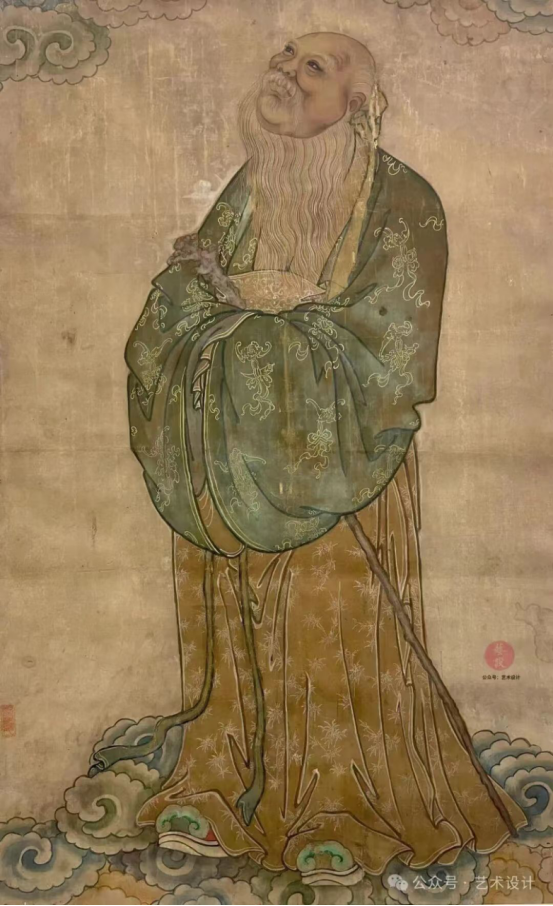
Guiguzi, the Ancestor of Vertical and Horizontal Strategies, was an extremely legendary hermit sage during the Warring States Period. He was proficient in the art of maneuvering political alliances, the esoteric art of Qimen Dunjia, as well as military strategy and tactics. His disciples, including Su Qin, Zhang Yi, and Sun Bin, all became influential figures of their era. Thus, Guiguzi was honored as the Ancestor of Vertical and Horizontal Strategies and the Sage of Stratagems. He symbolizes “profound wisdom, exceptional strategic acumen, and smooth career progress”. His core symbols are the Eight Trigrams, strategy diagrams, and a fly-whisk. He is often depicted as an otherworldly Taoist immortal with a noble bearing, holding a military book or a luopan (geomantic compass).
Yin Xi, the True Lord of Wenshi, was one of the earliest inheritors of Taoism. Originally the commandant of Hangu Pass, he observed a purple qi drifting eastward in the celestial phenomena and foretold the arrival of a sage. He then respectfully welcomed Laozi into the pass and received the transmission of the Tao Te Ching. Later, he cultivated Taoism and attained immortality, earning the title of True Lord of Wenshi. He symbolizes “the inheritance of Taoist doctrines, the enlightenment of wisdom, and inner peace with clear insight”. His core symbols are bamboo slips, the Tai Chi symbol, and purple auspicious clouds. His image is elegant and solemn, holding a copy of the Tao Te Ching or a fly-whisk.
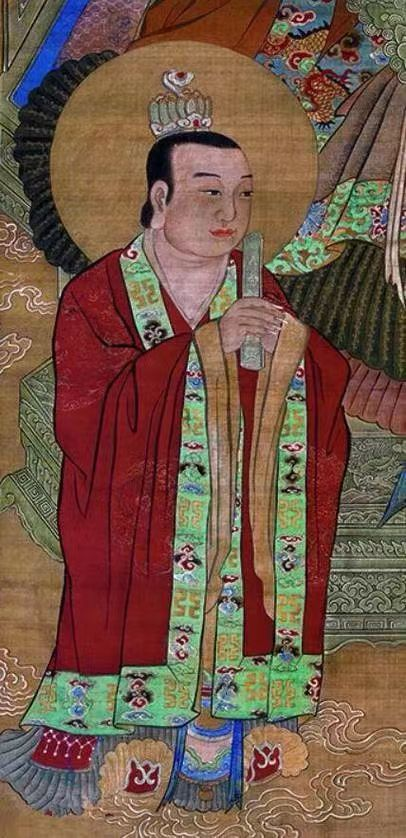
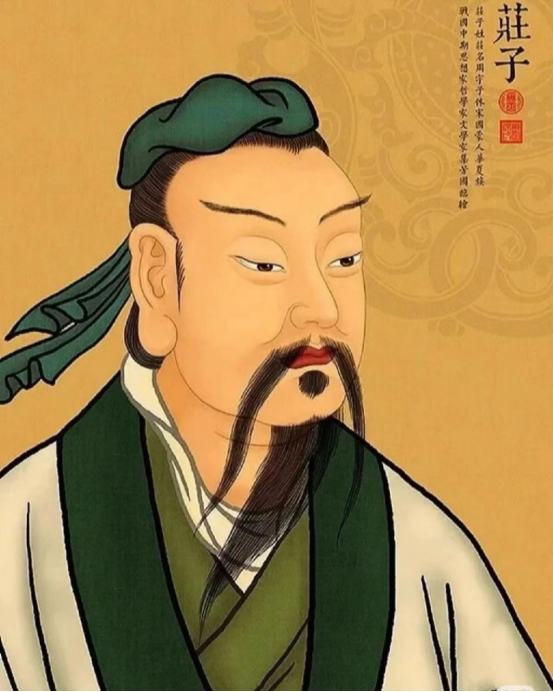
Zhuangzi, the True Lord of Nanhua, was a representative figure of the Taoist school of thought. He advocated the doctrines of “carefree wandering and the equality of all things” and “following the ways of nature”. His magnum opus Zhuangzi (also known as The Scripture of Nanhua) is imbued with romantic immortal aesthetics and profound philosophical wisdom, earning him the revered title of True Lord of Nanhua in Taoism. He symbolizes “carefree freedom, transcendence of material trivialities, and spiritual liberation”. His core symbols include the butterfly (referencing the famous anecdote “Zhuangzi Dreamt of Being a Butterfly”), a fishing rod, and the ripples of the Pu River. He is often depicted as a free-spirited hermit fishing by a stream, with his robes fluttering gently in the breeze.
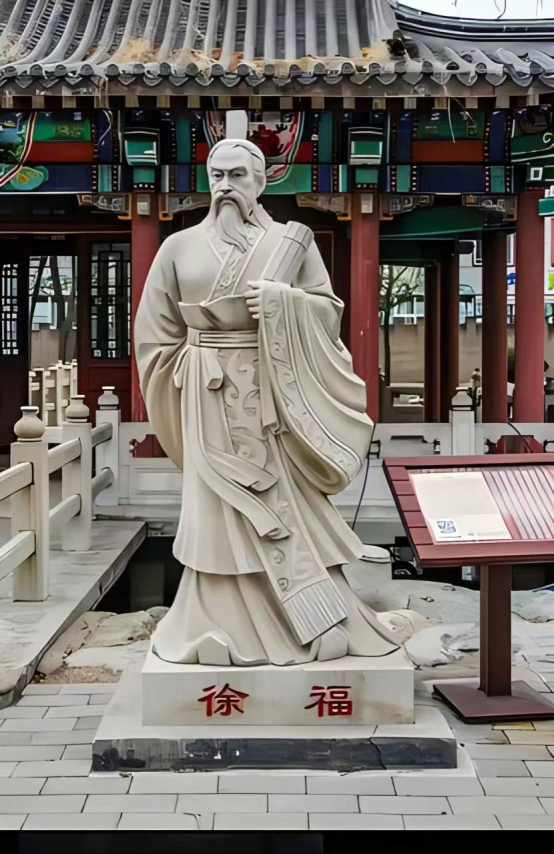
Xu Fu, the Immortal-Seeking Envoy, was a renowned alchemist of the Qin Dynasty. Commissioned by Emperor Qin Shi Huang, he led a fleet of young boys and girls on a voyage eastward in search of the elixir of immortality on the three mythical islands of Penglai, Fangzhang and Yingzhou. Later, he settled overseas and attained immortality, thus being honored as the Immortal-Seeking Envoy. He symbolizes “the pursuit of hope, safe journeys to distant lands, and enduring blessings”. His core symbols are a ship, celestial herbs and a compass. He is often depicted as an alchemist standing at the bow of a ship, holding celestial herbs in his hand.
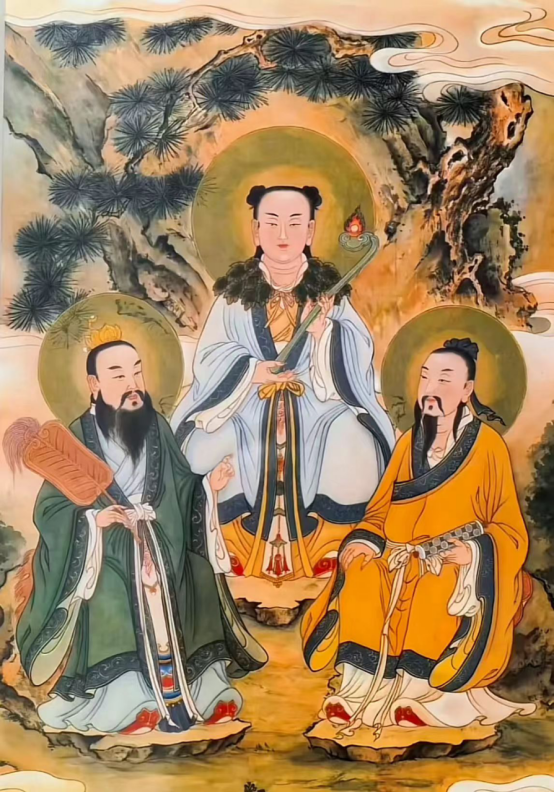
The Three Mao True Lords, the Founding Immortals of Maoshan Taoism, refer to the three brothers Mao Ying, Mao Gu and Mao Zhong of the Han Dynasty. Seeing through the vanity of the mortal world, they retreated to Maoshan Mountain to cultivate Taoism and attain immortality. Later, they used Taoist magic to relieve the sufferings of the people and exorcise demons and evil spirits, founded the Maoshan Sect, and were thus honored as the Founding Immortals of Maoshan Taoism. The three brothers symbolize “warding off evil spirits and suppressing malicious auras, safeguarding the peace of homes, and blessing and protecting the world”. Their core symbols are talismans and incantations, fly-whisks, and Maoshan Taoist temples. They are depicted as three immortals wearing Taoist robes and holding magic artifacts.
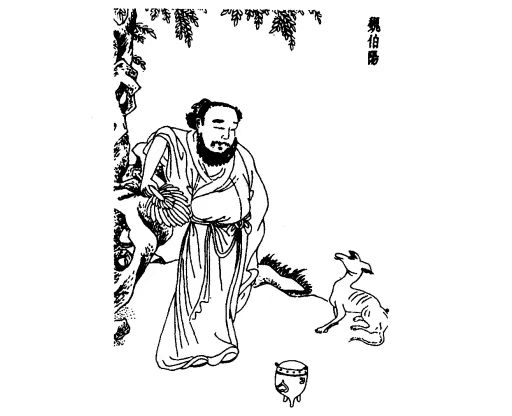
Wei Boyang, the Elixir Sovereign of All Ages, was a renowned alchemist and Taoist theorist of the Eastern Han Dynasty. He authored Zhouyi Cantong Qi (The Kinship of the Three), which is hailed as the “Scripture of Elixirs Supreme Through the Ages”. Proficient in both internal and external elixir cultivation techniques, he was revered as the Elixir Sovereign of All Ages. He symbolizes “dedication to spiritual cultivation, refinement of body and mind, and fulfillment of fortune and blessings”. His core symbols are the elixir furnace, elixirs of immortality, and the Eight Trigrams diagram. He is often depicted as an immortal alchemist holding an elixir furnace with a focused expression.
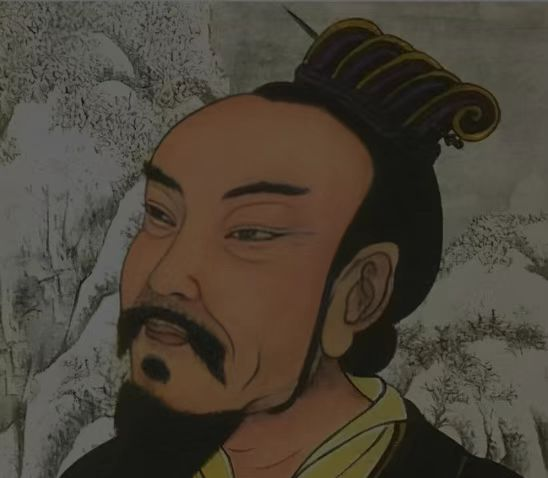
Taiji True Lord Liu An was the Prince of Huainan during the Western Han Dynasty. He was passionately devoted to Taoist cultivation and elixir alchemy. According to legend, after he and his eight disciples successfully refined the elixir of immortality, they all ascended to heaven together. The leftover elixir was scattered in the courtyard; chickens and dogs that ate it also ascended to heaven afterward. This gave rise to the famous legend “When one attains immortality, even their chickens and dogs rise to heaven”. Thus, Liu An was revered as Taiji True Lord. He symbolizes “attaining the Dao and immortality, blessing and protection, and prosperity of the family”. His core symbols are the Taiji diagram, elixir furnace, and auspicious clouds. He is depicted as an immortal wearing a royal robe and holding the Taiji symbol.
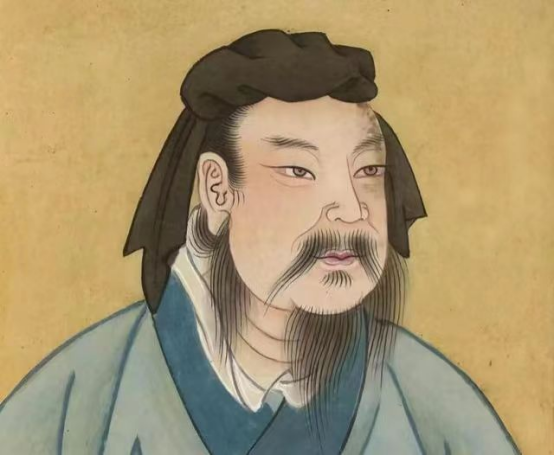
Dongfang Shuo, the Humorous God of the Year Star, was a renowned litterateur and alchemist of the Western Han Dynasty. Endowed with a witty and humorous personality as well as extraordinary intellect, he was said to often remonstrate with Emperor Wu of Han through jokes and witticisms. Proficient in divination and the art of longevity, he was regarded by the folks as the incarnation of the Year Star and revered as an immortal. He symbolizes “wisdom and humor, turning misfortune into fortune, and joy in life”. His core symbols are bamboo slips, a smiling face, and stars. He is often depicted as a scholarly figure with a beaming smile, holding scrolls in his hand.
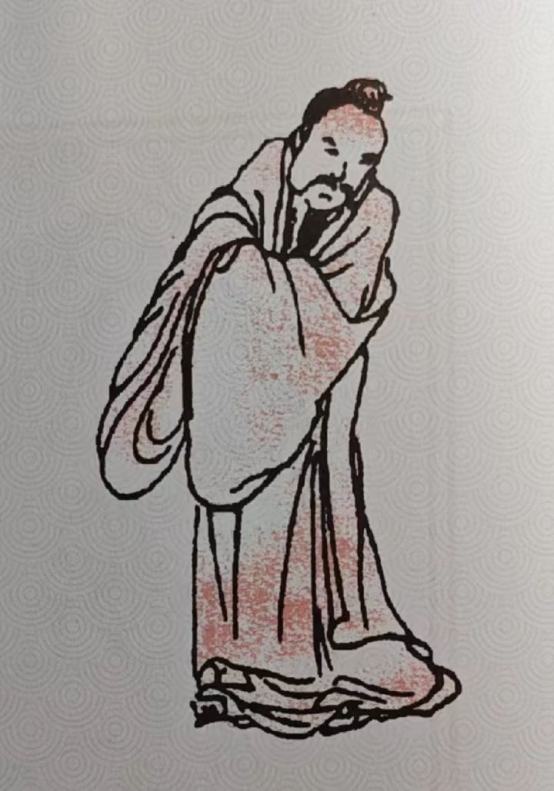
Yu Ji, the Leader of the Taiping Dao, was the founder of the Taoist school Taiping Dao at the end of the Eastern Han Dynasty. He authored The Taiping Scripture and saved the common people with talismans, incantations and medical skills, winning profound love and respect from the masses, and thus was honored as the Leader of the Taiping Dao. He symbolizes “peace and tranquility, dispelling evil spirits and curing diseases, and the people’s wellbeing and happiness”. His core symbols are talismans and incantations, scriptures, and medicinal herbs. He is depicted as a kind-faced Taoist priest holding scriptures in his hand.
Fei Changfang, the Taoist Who Commands Ghosts and Gods, was an alchemist of the Eastern Han Dynasty. According to legend, he learned secret Taoist arts from the immortal Hugong (the Gourd Immortal). Endowed with supernatural abilities, he could shrink a thousand miles of land into a short distance, command ghosts and gods at will, and cure diseases as well as exorcise evil spirits. He symbolizes “protection by divine powers, warding off evil and misfortune, and smooth progress in all undertakings”. His core symbols are the gourd (a legacy from Hugong), talismans and incantations, and ghost-and-god tally tokens. He is depicted as a resolute-faced Taoist priest holding a gourd in his hand.
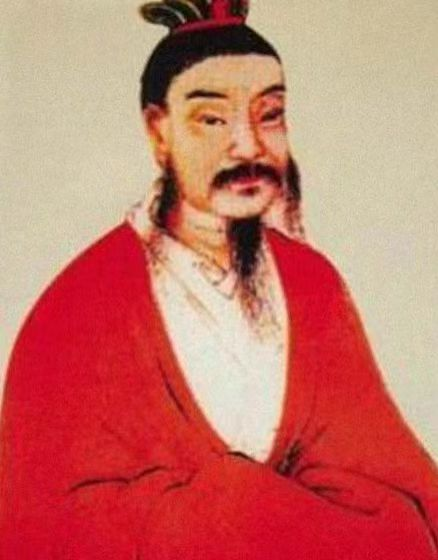
Ji Kang, the Uninhibited Sage of the Bamboo Grove, was a renowned litterateur and musician of the Three Kingdoms Period, and one of the Seven Sages of the Bamboo Grove. With an unruly and noble character, he advocated the philosophy of following nature and was proficient in playing the guqin, chess, calligraphy and painting. Later, he withdrew from the secular world to cultivate Taoism and was revered as an Uninhibited Immortal Scholar. He symbolizes “transcendence of material trivialities, exceptional literary and artistic talent, and adherence to one’s original aspiration”. His core symbols are the guqin, bamboo, and wine pot. He is often depicted as a hermit playing the guqin and drinking wine, with his robes fluttering in the wind.
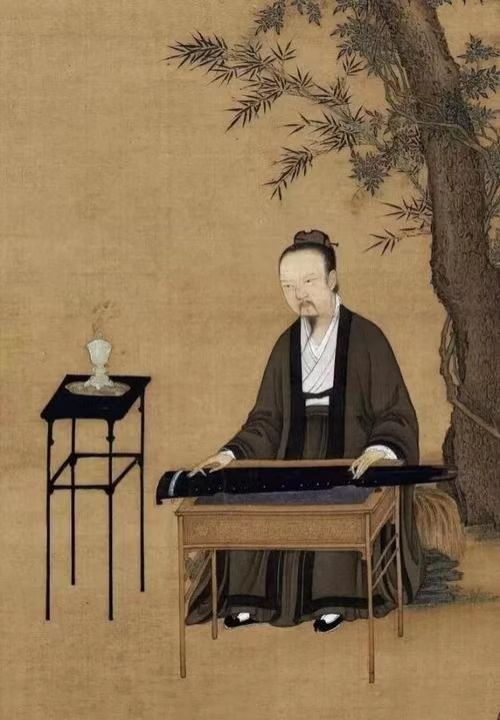
Guo Pu, the Immortal Earl of the Water Mansion, was a renowned litterateur, feng shui master and alchemist of the Eastern Jin Dynasty. Proficient in astronomy, geography, divination, feng shui and exegetics, he was said to be able to identify auspicious feng shui locations and predict good and bad fortune, thus being honored as the Immortal Earl of the Water Mansion. He symbolizes “good fortune brought by feng shui, warding off disasters and pursuing auspiciousness, and stability of homes”. His core symbols are the luopan (geomantic compass), feng shui diagrams and water-pattern lines. He is depicted as an alchemist holding a luopan with a focused expression.
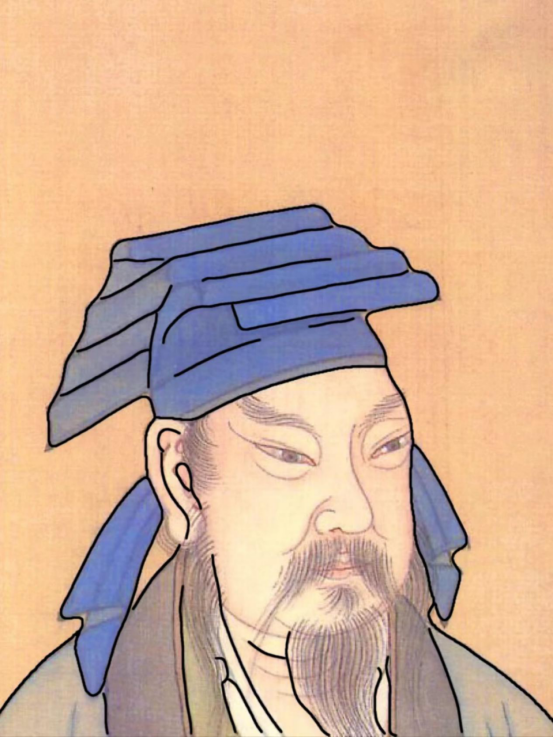
Xu Xun, the Leader of the Jingming Dao, was a renowned Taoist priest of the Eastern Jin Dynasty and the founder of Jingming Dao, a school of Taoism. According to legend, after attaining the Dao, he slew flood dragons to control floods and saved the lives of the common people. Later, he ascended to immortality at Xishan Mountain and was revered as True Lord Xu. He symbolizes “subduing evil spirits and controlling floods, protecting a region and its people, and embodying integrity and incorruptibility”. His core symbols are a precious sword, purified water, and auspicious clouds. He is depicted as a majestic Taoist priest holding a precious sword in his hand.
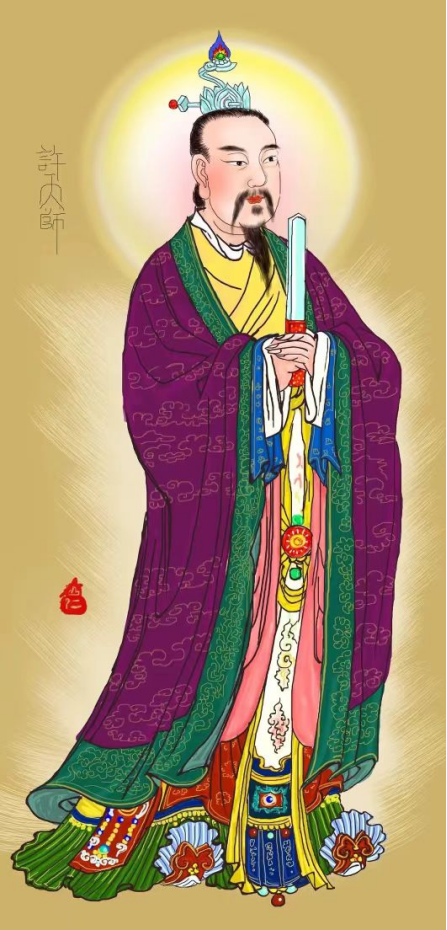
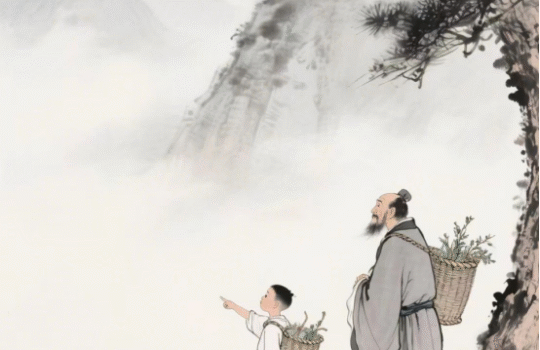
Tao Hongjing, the Water Supervisor of Penglai, was a renowned Taoist priest, pharmacologist and alchemist during the Southern Dynasties spanning the Qi and Liang regimes. He lived in seclusion in Maoshan Mountain, excelling in health preservation, elixir alchemy and medicine. Having once served as an advisor to Emperor Wu of Liang, he was honored as the Water Supervisor of Penglai, who was in charge of celestial affairs related to water systems across the world. He symbolizes “health and longevity, profound wisdom and insight, and protection of water systems”. His core symbols are medicinal herbs, elixir furnaces and water-pattern lines. He is depicted as a mild-mannered Taoist priest holding medicinal herbs in his hand.
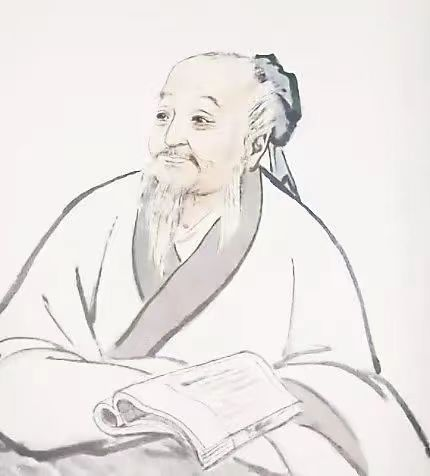
Kou Qianzhi, the Heavenly Master, was a Taoist reformer of the Northern Dynasties and an important representative of Tianshi Dao (Zhengyi Dao). Commissioned by Lord Laozi to “purify and reorganize Taoism”, he formulated Taoist rituals and was revered as the Heavenly Master. He symbolizes “orthodoxy of the Taoist doctrine, suppression of evil auras and divine protection, and compliance with the norms of spiritual cultivation”. His core symbols are the Heavenly Master’s Seal, talismans and incantations, and the Taoist crown. He is depicted as a Taoist priest wearing the Heavenly Master’s robe and holding a magic seal in his hand.
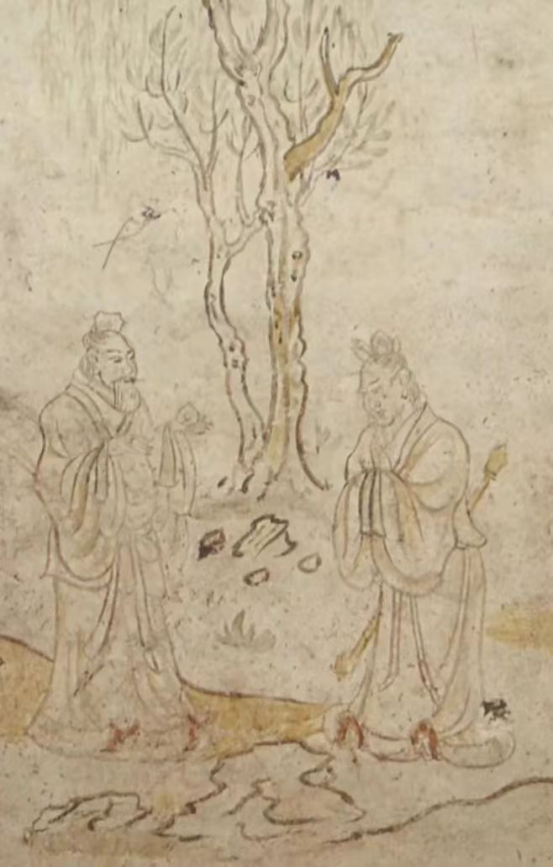
Pei Hang, the Immortal of Romance, is a figure from Tang Dynasty legends. According to the tale, when he passed through Lanqiao Posthouse, he encountered the celestial maiden Yunying. After undergoing a series of trials, he married her, and the couple ascended to immortality together. He thus came to be revered as the Immortal of Romance. He symbolizes “a happy marriage, mutual affection, and enduring love”. His core symbols are jade pendants, lotus flowers, and the Magpie Bridge. He is depicted as a scholar accompanied by the celestial maiden, holding a jade pendant in his hand.
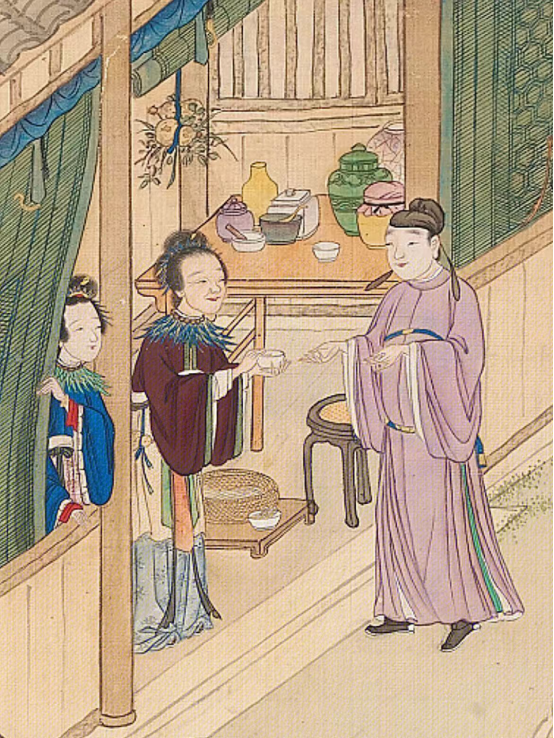
Chen Tuan, styled Fuyaozi, was a renowned Taoist priest between the Five Dynasties and the early Song Dynasty. Proficient in the study of the I Ching, Tai Chi, and the art of sleep cultivation, he was said to be able to sleep for a thousand years and perceive the profound mysteries of heaven and earth. He was thus revered as the Tai Chi Hermit. He symbolizes “profound wisdom, harmony with nature, and inner peace of mind”. His core symbols are the Tai Chi diagram, the Eight Trigrams, and a sleeping pillow. He is depicted as an otherworldly hermit with his eyes closed in meditation.
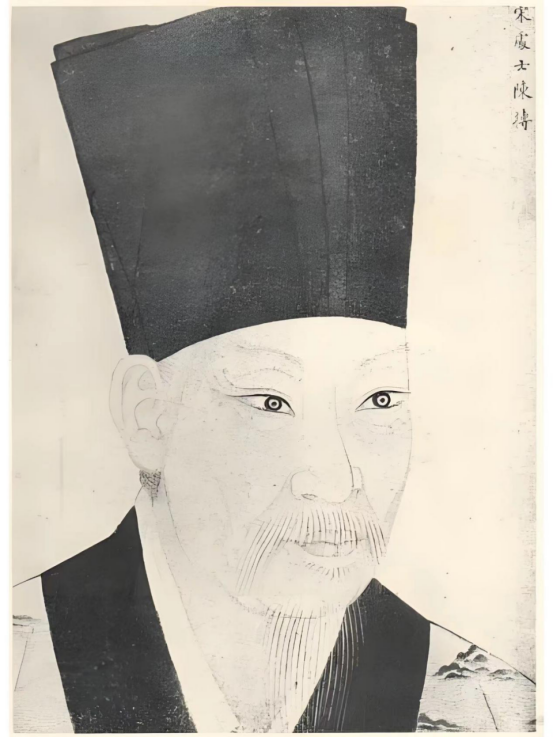
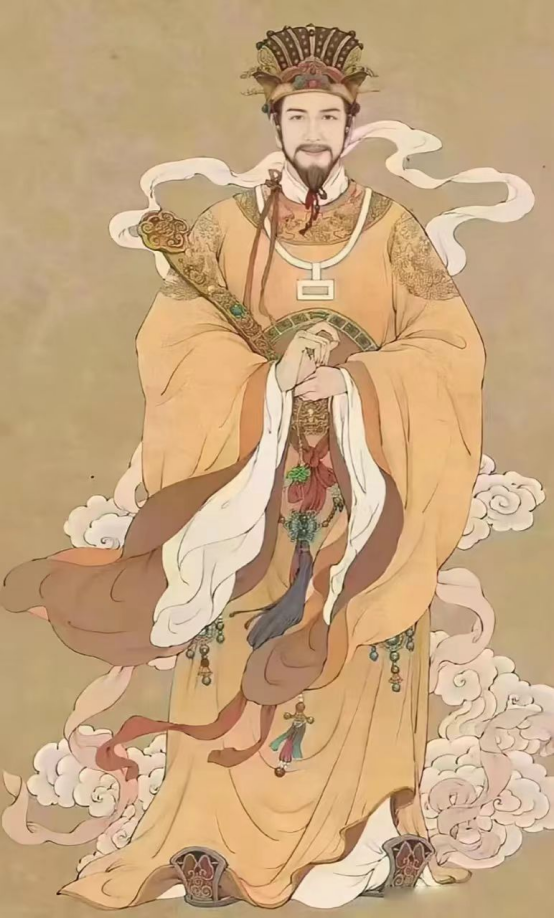
Emperor God of Wealth Lord Chai, namely Chai Rong, Emperor Shizong of Later Zhou during the Five Dynasties period. During his reign, he was diligent in governance, cared for his people, and boosted the economy, leading the nation to prosperity. After his death, he was revered by the folks as the God of Wealth. Owing to his former status as an emperor, he was also known as the Emperor God of Wealth. He symbolizes “abundant wealth, thriving career, and blessings earned through diligent governance”. His core symbols are ingots, abacuses, and dragon patterns. He is depicted as a God of Wealth wearing imperial robes and holding an ingot in his hand.
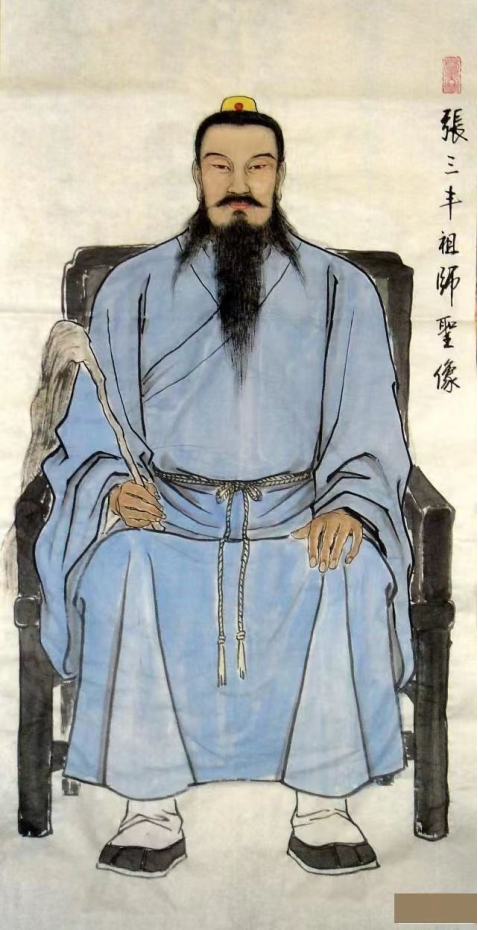
Zhang Sanfeng, the True Lord of Manifestation, was a renowned Taoist priest of the Ming Dynasty and the founder of the Wudang Sect. Proficient in Tai Chi, martial arts, and the art of health preservation, he was said to be elusive in his whereabouts and able to manifest himself in the mortal world to relieve the sufferings of the people, thus being revered as the True Lord of Manifestation. He symbolizes “excellence in martial arts, health and longevity, and protection by divine powers”. His core symbols are the Tai Chi diagram, the Wudang sword, and the fly-whisk. He is depicted as a Taoist priest wearing a Wudang Taoist robe and holding the Tai Chi symbol.
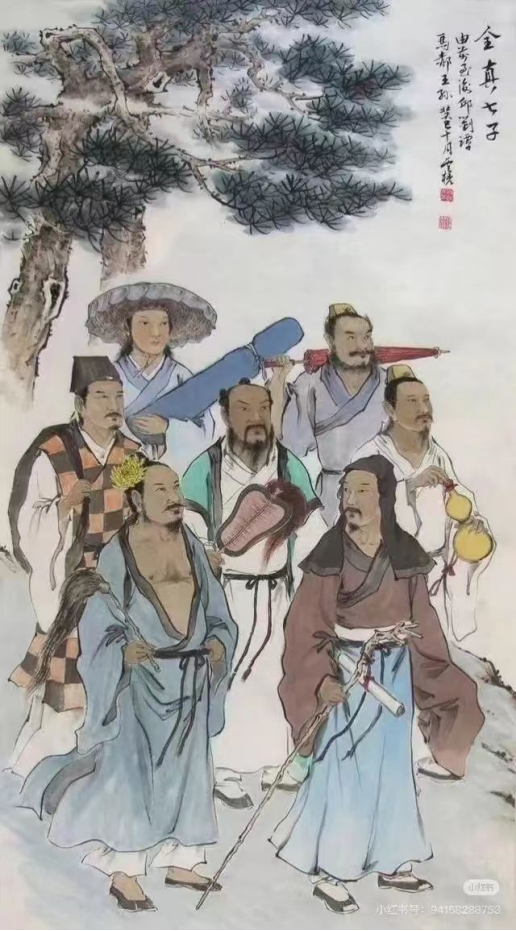
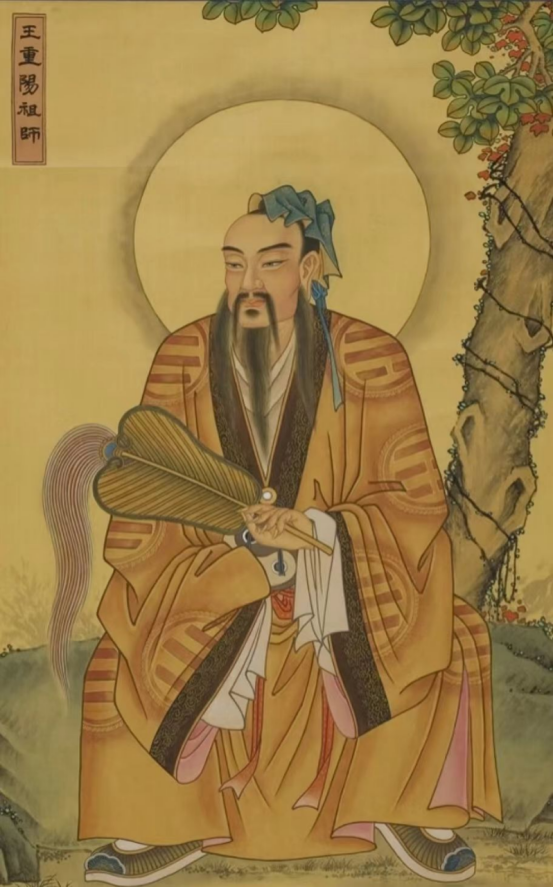
Wang Chongyang was the founder of the Quanzhen School of Taoism in the Jin Dynasty. He advocated the doctrines of “the unity of the three religions” and “the dual cultivation of nature and life”. After attaining the Dao, he took seven disciples, namely Qiu Chuji, Wang Chuyi, Hao Datong, Sun Bu’er, Liu Chuxuan, Tan Chuanduan, and Ma Yu. Collectively known as the Seven True Masters of Quanzhen, they propagated Quanzhen teachings together, relieved the sufferings of the people, and all attained immortality. Wang Chongyang symbolizes “the inheritance of Taoist doctrines, guidance in spiritual cultivation, and the unity of the three religions”. His core symbols are the emblem of the Quanzhen School, the fly-whisk, and scriptures. He is depicted as a solemn-faced Taoist priest holding scriptures in his hand.
Each of the Seven True Masters of Quanzhen had distinctive traits:
Qiu Chuji, styled Changchunzi, was renowned for traveling far and wide to help the people, and for his journey to the Western Regions to persuade Genghis Khan to halt his killing spree. He symbolizes “compassion for the world, protection on long journeys, and enduring fortune and longevity”, with his core symbols being the fly-whisk and auspicious clouds.
Wang Chuyi, styled Yuyangzi, was proficient in health preservation and Taoist magic. He symbolizes “strengthening the body and warding off evil spirits”, with his core symbols being the precious sword and talismans.
Hao Datong, styled Guangningzi, was a master of the study of the I Ching. He symbolizes “profound wisdom and the ability to foresee good and bad fortune”.
Sun Bu’er, known as the Pure and Tranquil Hermit, was the only female among the seven. She specialized in health preservation and spiritual cultivation for women.
Liu Chuxuan, styled Changshengzi, advocated the philosophy of “longevity and eternal vision”. He symbolizes “longevity, health, and perseverance in spiritual practice”, with his core symbols being ganoderma and longevity peaches, making him particularly revered by the elderly.
Tan Chuanduan, styled Changzhenzi, excelled in medical skills and mental cultivation.
Ma Yu, styled Danyangzi, emphasized the principle of “purity and non-action”. He symbolizes “inner peace of mind and freedom from worldly distractions”, with his core symbols being prayer beads and auspicious clouds.
Though these folk immortals came from diverse backgrounds and specialized in different fields, they all embodied the people’s simple aspirations for a better life—longevity, wisdom, wealth, love, peace, and freedom. Their legends are closely rooted in daily life, and their images are highly recognizable, conveying core wishes for blessings without the need for complicated interpretation.