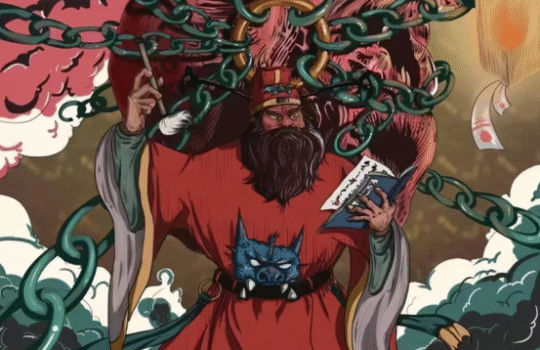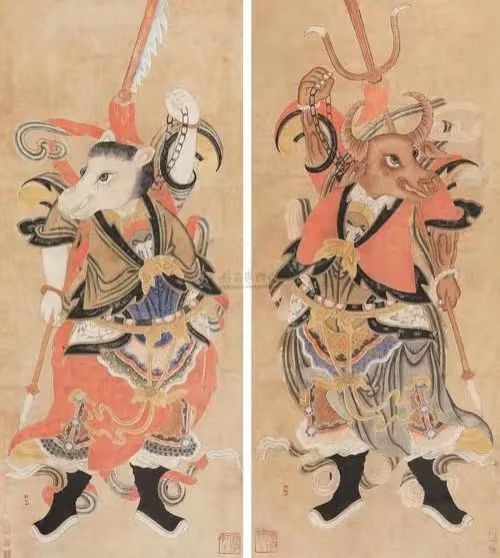
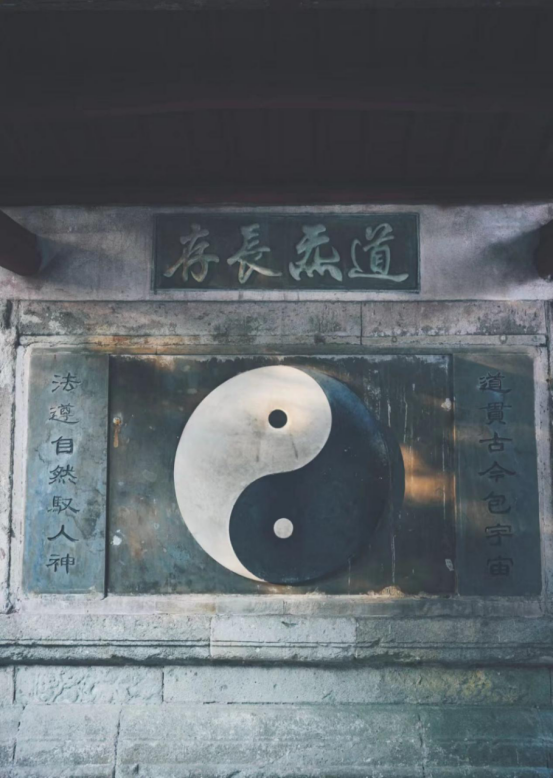
The Five Elemental Deities of Wood, Fire, Metal, Water and Earth are the core deities that deeply integrate the ancient Chinese directional deity system with the theory of the Five Elements. They are mainly composed of the Eastern Qi Mang King, the Southern Zhu Rong King, the Western Ru Ci King, the Northern Xuan Ming King and the Central Xu Yan King, corresponding to the Five Elements of Wood, Fire, Metal, Water and Earth and the Five Directions of East, South, West, North and Center. They are in charge of the order of the five directions, the circulation of the five elements, the birth and death of all things and the fortune and misfortune of the human world. They are the concrete expression of the Taoist “Five Elements Generating and Restraining” cosmology. The core scriptures are based on “Shan Hai Jing”, “Shiji – Fengchan Shu” and “Yuan Shi Shang Zhen Zhong Xian Ji”, retaining the characteristics of ancient natural worship and integrating the core concept of Taoism “Tianren One-ness”. The Eastern Qi Mang King, as the Wood God and the God of Spring, corresponds to the Wood element, the color green, and is in charge of the vitality and growth of the earth and plants in the east, symbolizing the virtue of “Ren” and the revival of all things. According to legend, he was the son of the ancient Shao Hao Clan, with a human face and a bird body, wearing green feathers. He is a lucky deity who presides over the vitality of spring and can give birth to plants, nourish grains and protect believers’ endeavors, academic progress and long-lasting blessings. His image is often dressed in a green robe, holding a green branch or a curved ruler (symbolizing order and vitality), with a refined face, surrounded by green qi and tender bud auspicious clouds, showing the warmth of the spring deity and the vigorous vitality of the Wood deity. It is an important guardian deity for farmers, entrepreneurs and students.
The Southern Zhu Rong King, as the Fire God and the God of Summer, corresponds to the Fire element, the color red, and is in charge of the fire virtue of the south and the rising of the sun’s energy. It symbolizes the virtue of “Li” and the prosperity of fortune. As the fire official during the ancient Three Sovereigns and Five Emperors period, he taught the ancestors to use fire, cook food and make utensils, and was revered as the ancestor of the fire virtue. He presides over human fire affairs, prosperous fortune and the elimination of evil spirits, and can dispel the plague qi and break the evil curse. His image is wearing a red robe, holding a torch or fire beads, with a resolute face, surrounded by red light and flames, with a sharp and bright gaze. It shows the dignity of the Fire deity and the fiery vitality of the Summer deity, protecting believers from misfortune and promoting prosperous fortune and long-lasting blessings, especially respected by industries related to casting, catering and energy, such as metallurgy, food and energy.
The Western Ru Ci King, as the Metal God and the God of Autumn, corresponds to the Metal element, the color white, and is in charge of the austere restraint and inward convergence (concealment and restraint) and the maturity of all things in the west, symbolizing the virtue of “Yi” and the banishing of evil spirits. According to legend, he is the assistant deity of the Shao Hao Clan, with a human face and a tiger claw, white hair and red hair. He presides over the punishment and restraint of all things and is responsible for recording human good and evil, punishing unjust acts, while also suppressing evil spirits and protecting the believers’ homes from disturbances. His image is often dressed in a white robe, holding a white saber (symbolizing the sharpness and punishment of metal) or a sickle (symbolizing harvest and concealment), with a solemn face, surrounded by white qi, clear light and frosty air, showing the stability of the Autumn deity and the firmness of the Metal deity, protecting believers from disturbances and disasters, achieving a prosperous harvest, and ensuring the stability of their homes, from which it is also respected by industries related to casting, catering and energy, such as metallurgy, food and energy.
The Northern Xuan Ming King, as the Water God and the God of Winter, corresponds to the Water element, the color black, and is in charge of the nourishment and the order of the underworld in the north, symbolizing the virtue of “Zhi” and the avoidance of disasters and misfortunes. His image combines the traits of the Water deity and the Underworld deity. According to legend, he is the assistant deity of the ancient Gong Wen Clan, with a human face and a bird body or a combination of a turtle and a snake, presiding over rivers, lakes, seas, rain, snow, frost and ice, and also governing the underworld affairs in the north. He can resolve water disasters, dispel evil spirits and protect believers from disasters. His image is often dressed in a black robe, holding a black jade or a water pattern token, with a calm face, surrounded by black qi, clear light and frosty air, showing the tranquility of the Winter deity and the agility of the Water deity, protecting believers from accidents and disasters, ensuring a prosperous harvest and a stable home, and also helping intellectual workers to inspire wisdom and solve problems, making him a guardian deity for travelers, seafarers and those engaged in intellectual work. As the first ancestor of the Chinese nation, Emperor Huang unified tribes, initiated civilization, and educated the people, and was revered as the “Central Great Emperor”. He was the core of the five directions’ deities and was responsible for coordinating the deities in all directions, balancing the qi of the five elements, and carrying and protecting all things in the universe. He protected the well-being of believers, ensured the stability of their homes and families, and brought them good fortune and prosperity. At the same time, he could reconcile interpersonal conflicts and gather blessings. Their image was dressed in a yellow robe, holding a yellow saber or an如意 (symbolizing the heaviness and auspiciousness of earth), with a kind and dignified face, surrounded by yellow qi and light. This image displayed the benevolence of the human ancestors and the inclusiveness of the earth deities, making them the all-purpose guardian gods for all believers. Especially, they could protect the stability of the foundation of the family, the longevity of the business foundation, and the prosperity of the family.
The core functions of the five directions’ wood, fire, metal, water, and earth deities run through three dimensions: natural order, human protection, and spiritual assistance. At the natural level, they regulate the climates in all directions, promote the circulation of the four seasons, and maintain the balance of the five elements, preventing disasters caused by the imbalance of the five elements such as droughts, fires, and earthquakes. At the human level, they respectively protect believers in corresponding directions, industries, and needs based on the characteristics of the five elements and the five cardinal principles, bestowing blessings, punishing evil, and seeking auspiciousness and avoiding misfortune. At the spiritual level, they can harmonize the qi of the five elements in the practitioners’ bodies, helping them overcome the diseases and distractions caused by the imbalance of the five elements, and achieving the inner alchemy cultivation state of “body in harmony with heaven and earth, and the five elements are integrated and harmonious”.
In the Taoist system, these five deities are both the continuation of ancient natural worship and important directionally protective deities in the Taoist pantheon. They hold a high status and complement each other with the five direction kings and the five element star kings, forming a “full coverage of the five directions and full harmony of the five elements” protection network. Unlike deities focused on a specific function, they place more emphasis on “protection of the fundamental source of the five elements” and “exclusive guardianship of directions”. Their beliefs reflect the ancients’ reverence for natural laws and their pursuit of a beautiful life.