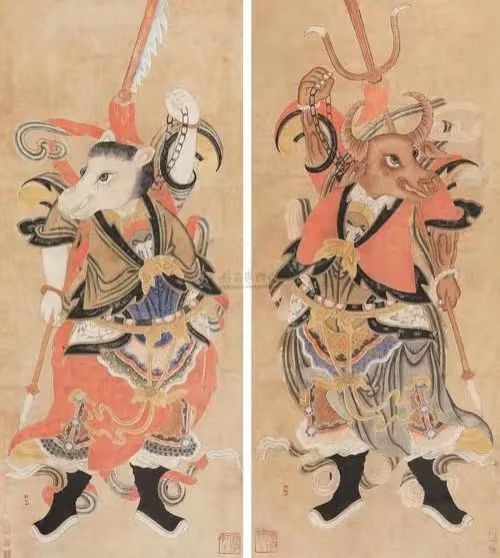
The Dragon Kings of the Five Emperors
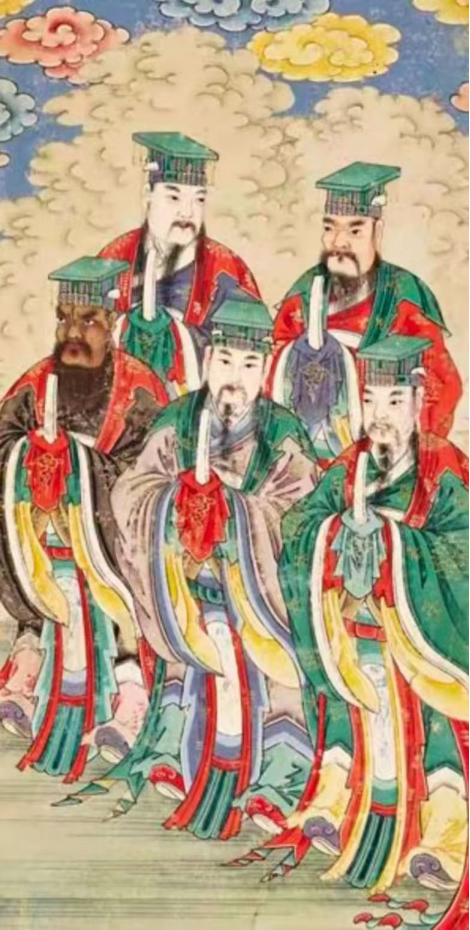
The Five Emperor Dragon Kings are the core deities of the Taoist dragon god system, also known as the Five Directional Dragon Kings. They correspond to the five cardinal directions (east, south, west, north, and center) and the five elements (wood, fire, metal, water, and earth) in the universe. They are the supreme dragon gods who govern all the waters of the world and control the movement of clouds and the distribution of rain. Together with the Four Seas Dragon Kings, they form the complete water deity belief system of Taoism, carrying the simple aspirations of ancient people to pray for favorable weather conditions and bountiful harvests.
Identity Origin and System Positioning
The belief in dragon kings originated from the dragon god worship in ancient natural worship. After Taoism incorporated dragon gods into its pantheon, it classified them according to the “five directions and five elements” cosmology, naming them as the Five Emperor Dragon Kings, making them an important force in governing the waters of the heavens.
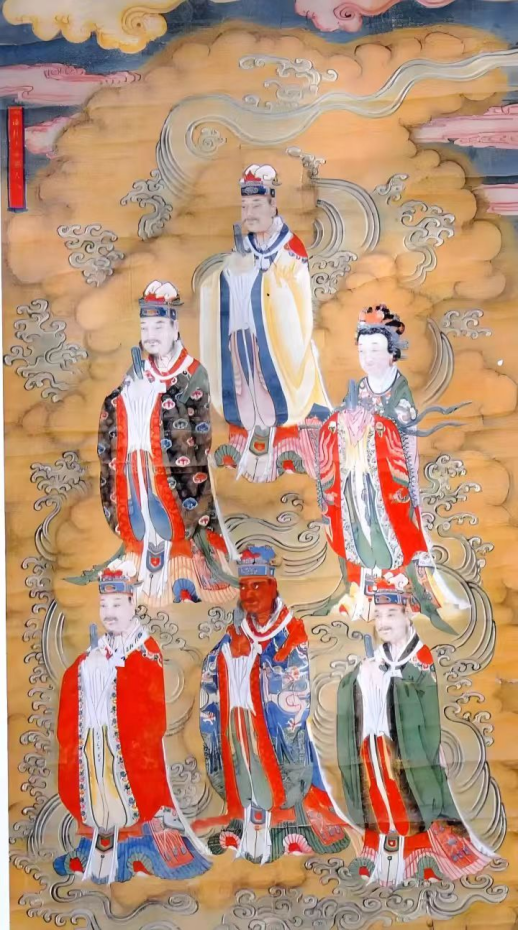
In the Taoist pantheon, the Five Emperor Dragon Kings fall under the jurisdiction of the Water Official Emperor and the Nine Heaven Reincarnated Thunder Sound Universalizing Heavenly Lord. They receive instructions from the heavens above and govern the water deities at all levels, including the Four Seas Dragon Kings, River Dragon Kings, and Well and Spring Dragon Kings. They are responsible for regulating the climates in the five directions and controlling the abundance or scarcity of rainfall. They are both the regulators of natural phenomena and the guardians of the people’s livelihood.
Detailed Explanation of the Five Dragon Kings
The Eastern Azure Emperor Dragon King corresponds to the east, the wood element, and spring. He symbolizes vitality and nurturing. His appearance features a blue face and beard, wearing a green dragon robe, holding a green scepter, and governing the eastern seas and the water of mountains and rivers. His divine duties involve commanding the spring rain necessary for the growth of all things in the east, regulating the growth and decline of plants, and protecting the prosperity of the eastern region. Folk belief holds that worshipping the Azure Emperor Dragon King can bring about smooth spring plowing and abundant vegetation.
The Southern Red Emperor Dragon King corresponds to the south, the fire element, and summer. He symbolizes heat and abundance. His appearance features a red face and red beard, wearing a red dragon robe, holding a red jade scepter, and commanding the southern waters. His divine duties include controlling summer rainfall and regulating the heat. He can both bring down rain to alleviate drought and restrain thunderstorms to prevent floods. He is an important guardian deity for southern agriculture and people’s livelihood.
The Western White Emperor Dragon King corresponds to the west, the metal element, and the autumn season. He symbolizes harshness and restraint. His appearance features a white beard and he wears a white dragon robe. He holds a white crystal and governs the western waters. His divine duties include controlling autumn rainfall and water vapor condensation, regulating the climate during the autumn harvest season, ensuring the maturity and harvesting of grains, and also overseeing the shipping safety of the rivers, lakes and seas in the west.
The Northern Black Emperor Dragon King corresponds to the north, the water element, and winter. He symbolizes coldness and storage. His appearance features a black face and black beard, wearing a black dragon robe, holding a crystal orb, and commanding the northern ice ocean and the source of major rivers. His divine duties include controlling winter snowfall and the freezing of rivers, regulating the storage of water resources in the north, protecting the safety of overwintering crops and livestock in the north, and also managing the stability of underground water veins.
The Central Yellow Emperor Dragon King corresponds to the center, the earth element, and the four seasons, symbolizing harmony and nurturing. His image is a yellow-faced and yellow-bearded figure, wearing a yellow dragon robe, holding a yellow jade scepter, and governing the central waters of the world (such as the middle reaches of the Yellow River and the lakes in the Central Plains). As the core of the Five Emperor Dragon Kings, his duty is to harmonize the rainfall instructions of the four other dragon kings, balance the climates of the five directions, prevent uneven rainfall, and at the same time protect the stability of the central plains and the abundant harvest of grains. His status is particularly revered.
Core religious functions and spiritual significance
Raining and distributing precipitation, regulating celestial phenomena: These are the core functions of the Five Emperor Dragon Kings. They are entrusted by the Heavenly Court to adjust the distribution of rain, snow, frost, and lightning according to the changes of the four seasons and the needs of the people on earth, ensuring the balance of agricultural production and the natural ecosystem, and are the direct controllers of “harmonious weather” in the eyes of ancient people.
Suppressing floods and protecting the people: In addition to raining, the Five Emperor Dragon Kings can also restrain floods and calm water monsters, safeguarding the lives and property of the people along rivers and coastal areas. When floods occur, people often hold sacrificial ceremonies to pray to the Dragon Kings to suppress the floods and ensure calm waters.
Symbolizing the five elements and conforming to the laws of nature: The corresponding relationship between the Five Emperor Dragon Kings and the five elements reflects the Taoist concept of “harmony between heaven and man”, combining natural celestial phenomena with philosophical ideas, making the dragon god belief have both natural worship and cultural connotations.