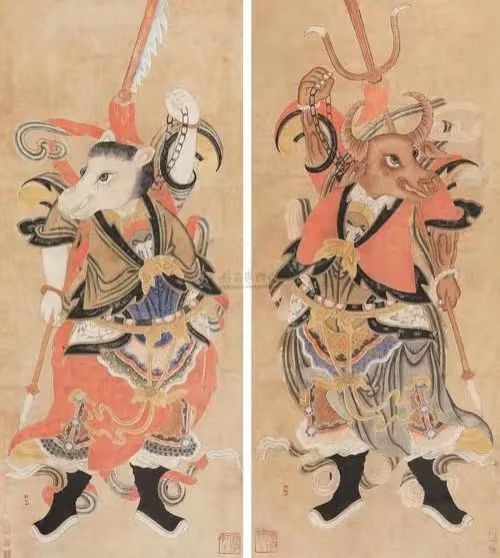
The Heavenly Supervisor of Births is an important deity in Chinese Taoism and folk belief, closely associated with childbirth, fetal protection, and the health and growth of children. Below is a detailed introduction to this deity: ## I. Divine Functions and Positioning 1. **Goddess of Childbirth and Fetal Protection** The primary duty of the Heavenly Supervisor of Births is to oversee childbirth, protect the safety of pregnant women and fetuses, and ensure smooth deliveries. Many families seeking children or expecting babies pray for her blessing. 2. **Guardian Deity of Children** She is also revered as the guardian of children. Believers hold that she can bless infants and young children to grow up healthily, free from illnesses and the intrusion of evil spirits. 3. **Recorder of Destinies** In Taoist mythology, similar to deities such as the “Heavenly Director of Lifespans”, the Heavenly Supervisor of Births is believed to participate in recording people’s birth dates and destinies. Even the character “Jian (supervise)” in her title implies the function of overseeing the entire process of life.
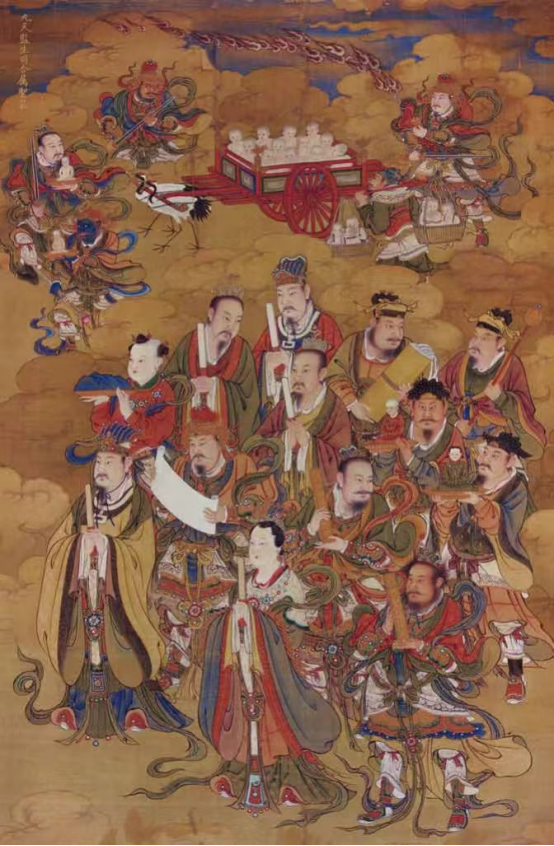
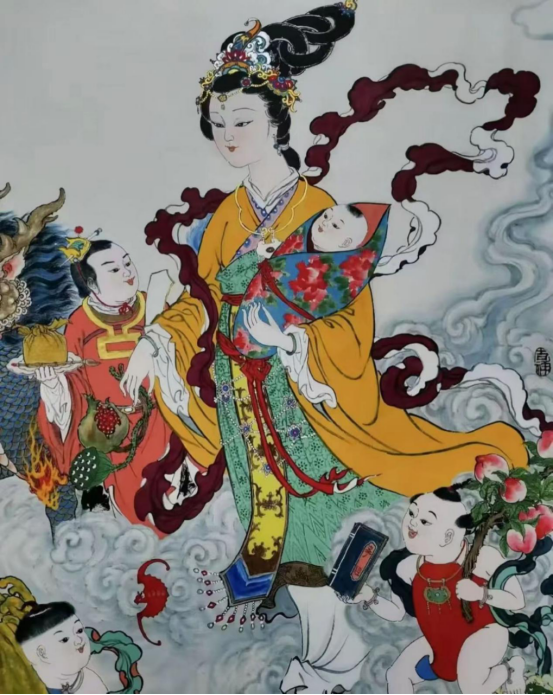
## II. Origin of the Belief – **Taoist Pantheon Integration**: In the Taoist pantheon, she is often classified as one of the “Nine Heavens” deities (e.g., the Heavenly Venerable of Universal Thunder Salvation, the Goddess of the Nine Heavens Xuannü), bearing connections to the origin of life. – **Folk Syncretism**: In folk traditions, she is frequently merged with other childbirth-related deities such as the Goddess of Sending Children and the Goddess of Birth Registration. Temples dedicated to her are commonly found in regions like South China and Taiwan. – **Records in the Taoist Canon**: Some Taoist scriptures mention the “Heavenly Office of Birth Supervision” or the “Great Deity of Birth Supervision”, emphasizing her role in protecting fetuses and aiding in childbirth. ## III. Iconography and Sacrificial Customs – **Iconographic Features**: She is mostly depicted as a dignified female figure, holding ritual implements symbolizing childbirth (such as birth registers, ruyi scepters, peach branches, etc.), and sometimes carrying an infant in her arms.
– **Sacrificial Practices**: – **Prayer Rituals for Children**: Believers offer incense, flowers, and fruits to pray for offspring or the safety of unborn babies. – **Vow Fulfillment Customs**: After a successful childbirth, families bring sacrificial offerings and children’s clothing to the temple to fulfill their vows. – **Protective Talismans**: There is a folk custom of wearing “Birth Supervision Talismans” to seek protection for the fetus.