Complete Analysis of the 2026 丙午 Horse Year Tai Sui Folk Customs: Deity Positions, Zodiac Conflicts, and Rational Inheritance
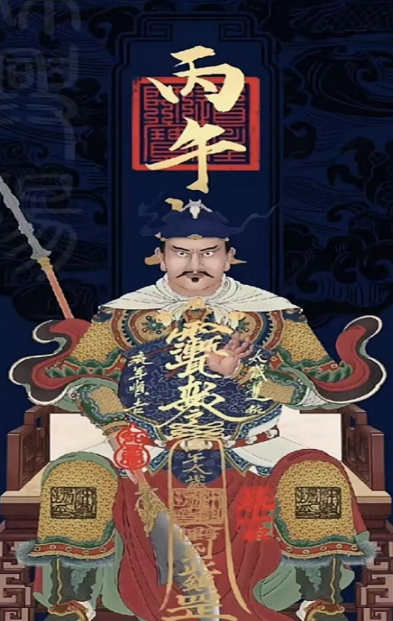
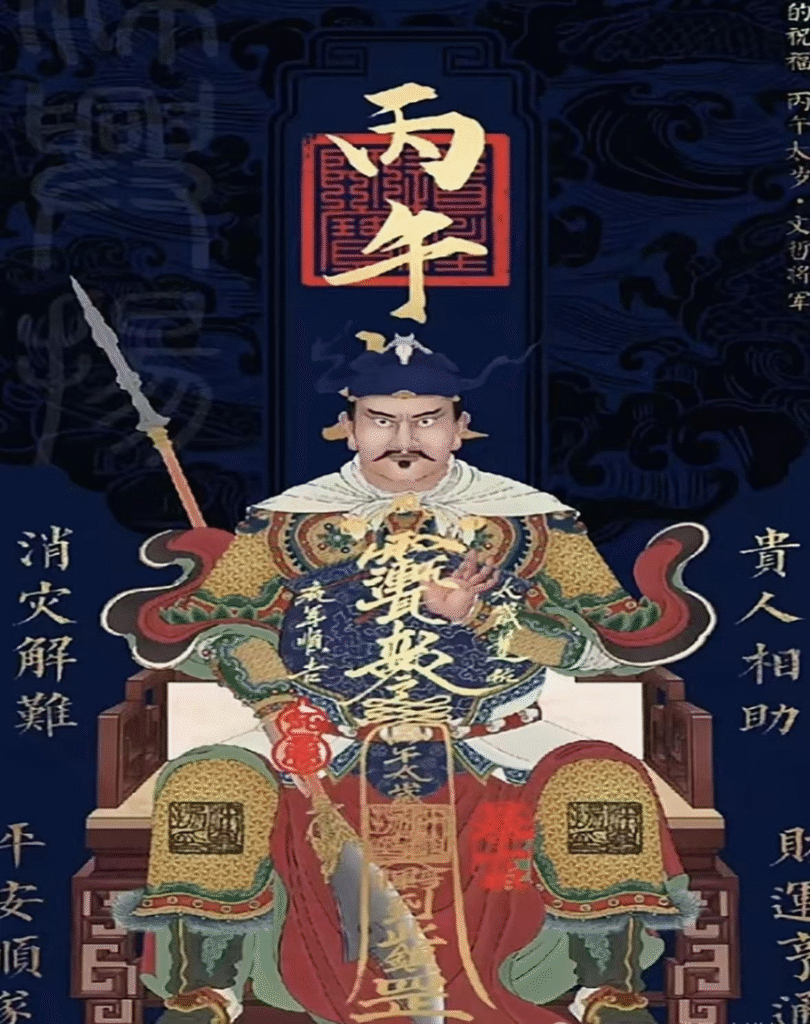
In traditional Chinese folk culture, the belief in Tai Sui embodies the ancient people’s reverence and contemplation of the passage of time and the rise and fall of human affairs. After thousands of years, its influence remains profound. The year 2026 is the lunar Bingwu Year of the Horse, with the Heavenly Stem Bing Fire echoing the Earthly Branch Wu Fire, forming a “double fire stacking flames” pattern for the year. The ruling Tai Sui is General Wen Zhe. The folk customs associated with this contain both cultural wisdom and require rational perspective.
Tai Sui, anciently called the “Emperor of the Year,” is central to Taoist deities governing the years, rotating according to the sixty-year cycle, with one deity each year presiding over human fortunes. The 2026 Bingwu Tai Sui, General Wen Zhe, named Wang Zhen, courtesy name Wenzhe, hailed from Dongguan, Guangdong. His image embodies the folk expectations of loyalty and integrity. This belief originates from ancient worship of the Jupiter, as ancient people observed Jupiter’s 12-year orbit and created the virtual “Tai Sui Star” to calibrate the calendar, later gradually personified into a deity becoming the “ruler of directions, controller of seasons” among all gods. The core significance of the annual Tai Sui lies in maintaining the order of “harmony between heaven and man.” Folklore holds that it governs both the passage of years and monitors human good and evil, as the saying goes, “When Tai Sui sits overhead, without joy comes misfortune,” reflecting ancient people’s awe of natural laws.
Zodiac Signs Offending Tai Sui in 2026
The zodiac signs offending Tai Sui in 2026 are determined by the relationships of punishment, conflict, harm, and destruction among the twelve Earthly Branches, involving four animal signs. Those born in the Year of the Horse face their zodiac year, both “offending Tai Sui” and encountering “Wu-Wu self-punishment” – double afflictions easily leading to mental unrest and health damage, requiring focus on cardiovascular, cerebrovascular, and eye health. Those born in the Year of the Rat face “Zi-Wu conflict,” experiencing the most severe fortune fluctuations, prone to relocation, workplace changes, and uncertainties in wealth and relationships. Those born in the Year of the Ox encounter “Chou-Wu harm,” vulnerable to scheming people and financial drain, requiring extra caution with investments and loans. Those born in the Year of the Rabbit face “Mao-Wu destruction,” experiencing plan failures and interpersonal friction, needing to guard against legal disputes and wealth loss. Note that zodiac division uses the Beginning of Spring (February 4, 2026) as the boundary, not the first day of the lunar New Year – a core principle of the stem-branch calendar system.
Traditional Remedies for Tai Sui Conflicts
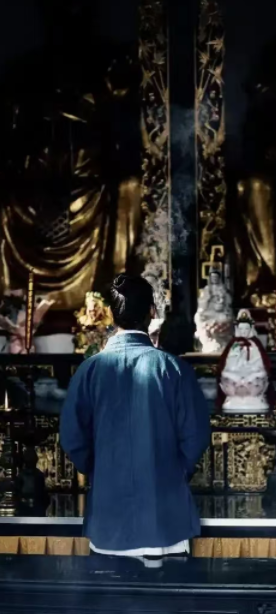
Customs for resolving Tai Sui conflicts trace back to the pre-Qin period. The sleep tiger land Qin bamboo slips “Day Book” records taboos about “no groundbreaking in Tai Sui’s direction.” The Han Dynasty formed “earth appeasement” rituals. After the Tang and Song dynasties, worshipping Tai Sui became mainstream. Taoist “Seven Slips of a Cloud Satchel” records that worshipping the Mother of the Dipper on the eighth day of the first lunar month can resolve Tai Sui calamities. Traditional resolution methods include several approaches: First, worship Tai Sui by visiting Taoist temples between the 25th day of the eleventh lunar month and the 15th day of the first month to honor General Wen Zhe, praying for yearly peace. Second, wear talismanic ornaments, such as Tai Sui amulets blessed at Taoist altars, or wear red clothing and red waistbands, using red’s power to ward off evil and attract blessings. Third, adjust feng shui by maintaining cleanliness in the south (Tai Sui direction) and north (direction opposing Tai Sui), avoiding construction and noise, and refraining from placing heavy objects or noise-making equipment. Fourth, engage in joyful events, as folk belief holds that weddings, births, and other “happy occasions” can “counteract misfortune,” neutralizing Tai Sui’s harsh influence.
Modern Perspective
From a modern viewpoint, Tai Sui belief fundamentally represents ancient people’s cultural wisdom in dealing with unknown risks, rather than superstition. Its core value lies in reminding people to follow seasonal patterns and act cautiously – the “variables” of offending Tai Sui are essentially natural fluctuations in the yearly energy field, which can be resolved through positive attitudes and reasonable planning. The “doing good deeds” and “being cautious in words and deeds” emphasized in resolution customs remain important principles for self-cultivation and family harmony. Practices like maintaining home cleanliness and avoiding risks align with modern common sense. There’s no need for excessive anxiety about “offending Tai Sui” claims, nor should blindly superstitious remedies be followed. Instead, treat it as a carrier of traditional culture, drawing from its spiritual core of “respecting nature and self-discipline.”
The 2026 Tai Sui folk customs represent both a thousand-year cultural heritage and ancient wisdom for daily living. Understanding General Wen Zhe’s folk connotations, zodiac conflict rules, and traditional resolutions not only satisfies curiosity about folk culture but also provides life insights. By viewing traditions rationally, selecting the essence while discarding the dross, this cultural heritage can radiate new vitality in contemporary times.