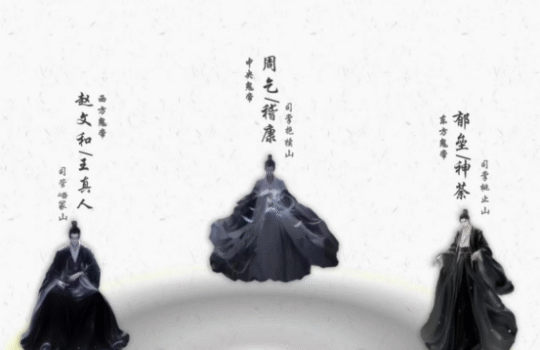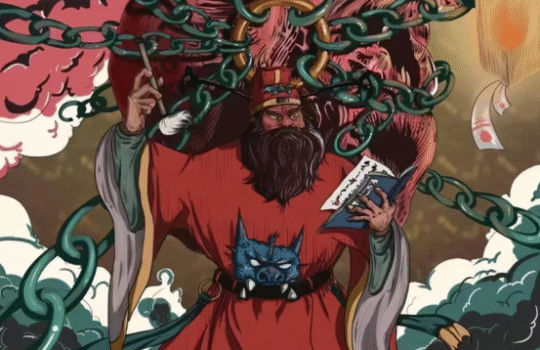
Fengdu Emperor is the supreme deity of the underworld in Taoism, also known as the North Yin Emperor or the Emperor of Fengdu and the North Yin. He governs the underworld of Fengdu Ro Fengshan and oversees all affairs of the underworld realm. He is the highest ruler of the underworld and shares the governance of the two realms with the Heavenly Emperor of the Heaven Court. He holds a highly respected position.
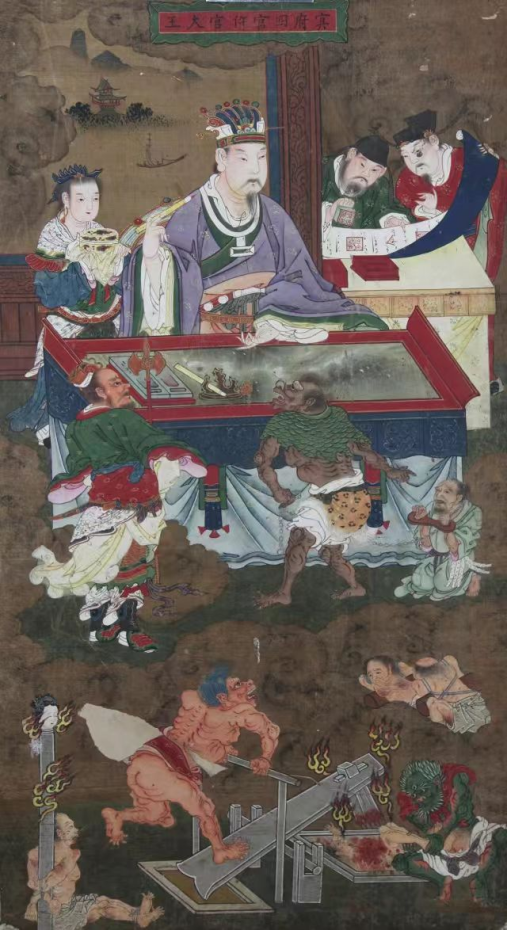
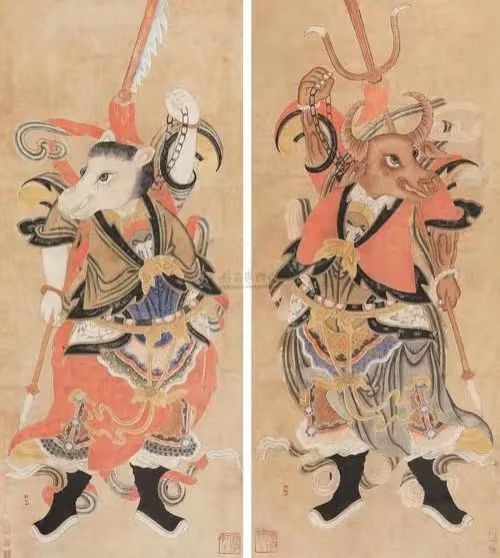
The belief in Fengdu Emperor originated from ancient people’s worship of the underworld. After Taoism incorporated it into its pantheon, it was clearly defined as the supreme ruler of the underworld by the Primordial Heavenly Emperor and resided in Fengdu Ro Fengshan (the core location of the underworld in Taoist scriptures, said to be located in the northern癸 area). His subordinates include the Ten Daimaoyuan, the Eighteen Levels of Hell’s Lord, the judges, the ghost messengers, the Niu Tou Maian, and other officials and ghost officials of the underworld, forming a complete judicial and management system of the underworld.
The core duties of Fengdu Emperor mainly include three aspects: First, he governs the life, death, and lifespan of all beings in the three realms. When a living being dies, their soul must return to the underworld of Fengdu, and his subordinates will verify their life and deeds. Second, he presides over the underworld judgment, based on the good or bad deeds of the beings in the world, to determine their rewards and punishments. The virtuous ones can be reborn into a good path, while the evil ones will be sent to the Eighteen Levels of Hell to be punished, and only after reaching the end of their punishment can they be reincarnated. Third, he governs the order of the underworld, prohibiting the ghost officials from showing favoritism and injustice, and suppressing the evil spirits of the underworld to prevent evil spirits from escaping and causing chaos in the human world.
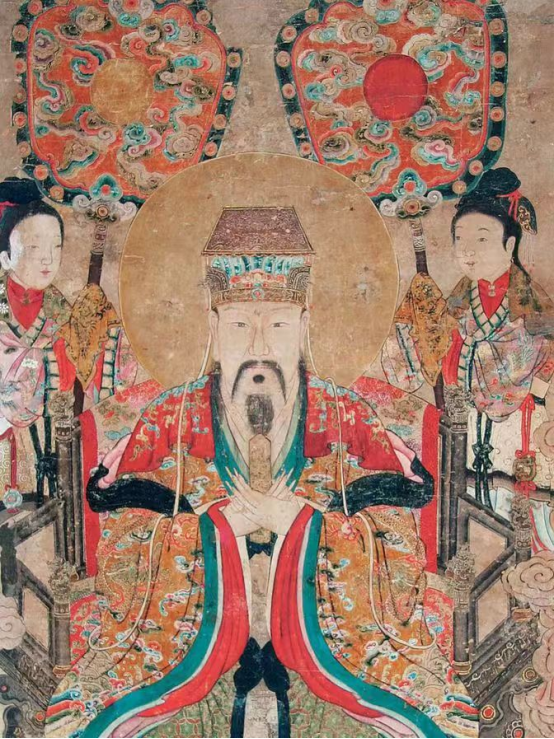
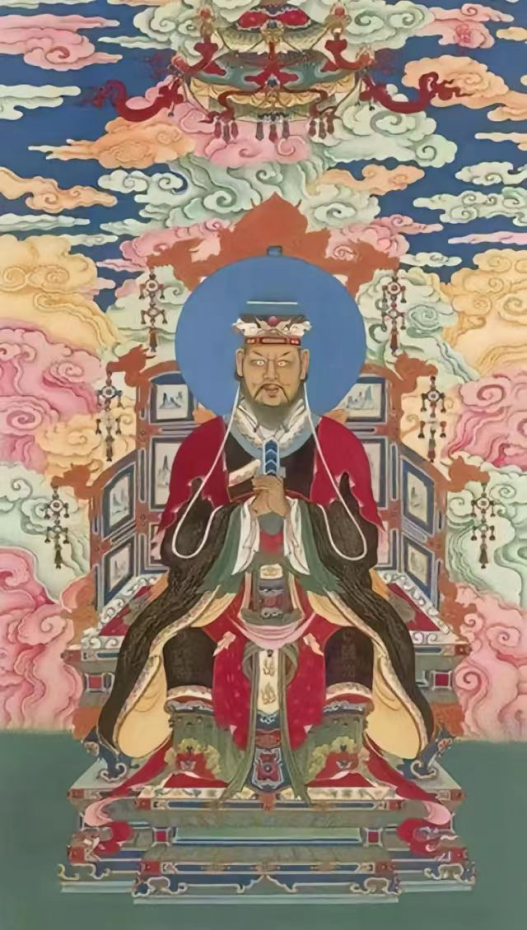
In Taoist scriptures, the image of Fengdu Emperor is solemn and dignified, mostly dressed in a black imperial robe and wearing a crown. His face is solemn, holding the life book and the judgment jade rod, sitting on the Fengdu Grand Hall. There are often celestial judges and guardian spirit officials standing beside him. His birthday is the 9th day of the 9th lunar month. Some Taoist temples will hold sacrificial ceremonies on this day to relieve the souls of the deceased and pray for Fengdu Emperor’s protection for the well-being and longevity of the living in the human world and the early liberation of the souls in the underworld.
Fengdu Emperor and the Ten Daimaoyuan are not at the same level. The Ten Daimaoyuan are the specific executioners of his jurisdiction and are responsible for different levels of underworld judgment and reincarnation arrangements, while Fengdu Emperor takes overall responsibility and has the final decision-making power. Additionally, the folk often confuse Fengdu Emperor with the Eastern Mount Tai Emperor. Although both are related to underworld affairs, the Eastern Mount Tai Emperor is in charge of the good and bad rewards of the souls in the human world and their reincarnation, while Fengdu Emperor is the direct ruler of the underworld, responsible for the judgment and reincarnation of the underworld.
In folk beliefs, people believe that offering sincere worship to Fengdu Emperor can protect the souls of their ancestors in the underworld from suffering, and at the same time warn oneself not to commit evil deeds and to practice good deeds. His image is often seen in Taoist water and land paintings and traditional art related to the underworld, conveying the concept of “good and evil have consequences, and the celestial law is cyclical.” In the design of Taoist cultural ornaments, elements of Fengdu Emperor are often given the meaning of “defending the residence from evil spirits, protecting the peace and prosperity of the underworld” and are suitable for creation of items such as pendants and decorative pieces for praying for a peaceful residence.