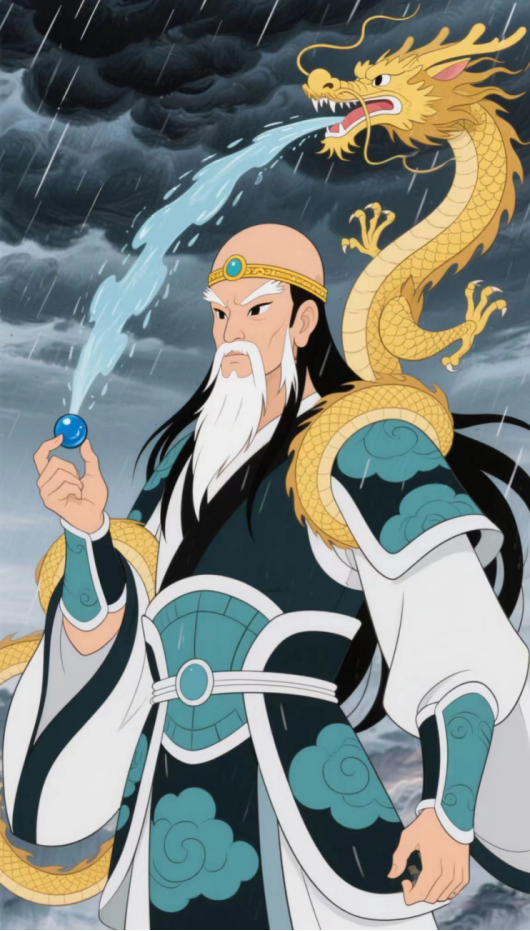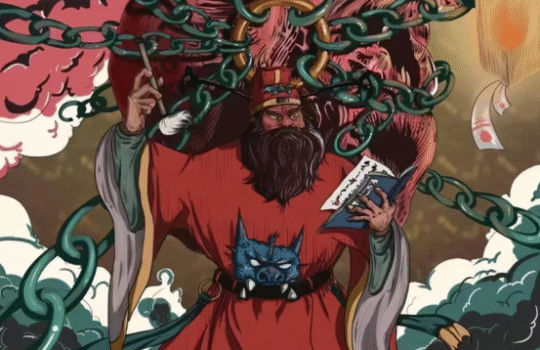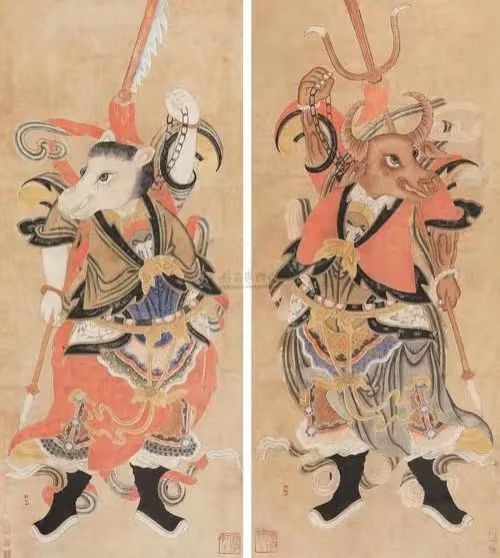
Rain Master, also known as Rain God, Ping Yi, Xuan Ming, or Bi Xing, is a deity in ancient Chinese mythology who is specifically responsible for rainfall. Along with Feng Bo, Lei Gong, and Deng Mu, he is called one of the “Four Great Heavenly Deities of Thunder Division”, jointly governing the rain, wind, and thunder in the human world and ensuring agricultural harvests and the growth of all things. In the Taoist pantheon, his full name is “Rain Master Pu Run Zhen Jun”, and he is a personified symbol of the worship of rain in the agricultural civilization.
Duties and Functions
Rainfall Master
He is in charge of the cessation and abundance of rainfall across the entire world, being the controller of “the tears of heaven and earth”
He is responsible for “dispersing rain and irrigating fields”, regulating droughts and floods, and ensuring a bountiful harvest of grains
In the Taoist system, he forms a cooperative relationship with the Dragon King: the Dragon King is responsible for water management, while the Rain Master is the “supervisor of rainfall”, specifically in charge of precipitation
Tribal Meteorological Official
As one of the four major generals of the Jade Emperor, he, along with Lei Gong, Deng Mu, and Feng Bo, executes the meteorological instructions of the Heavenly Emperor
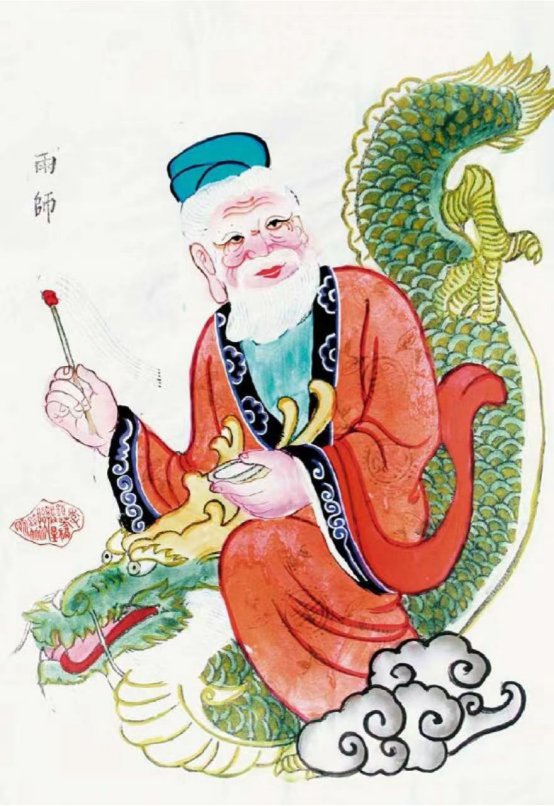
During large-scale religious ceremonies, he is responsible for “arousing clouds and causing rain”, adding a spiritual aura to the rituals
In coordination with Lei Gong: “When Lei Gong doesn’t thunder, the Rain Master doesn’t rain”, reflecting the intrinsic connection of natural phenomena
Cultural Significance and Sacrificial Traditions
Guardian of the Agricultural Civilization
The belief in Rain Master originated from the natural worship of rain, reflecting the strong desire of the agricultural society for “harmony between wind and rain”, which is directly related to the national economy. The “Rites of Zhou – The Grand Magistrate” states: “Using incense offerings to worship the officials of the central court, the god of fate, Feng Bo, Rain Master, and the god of thunder” and includes Rain Master in the national sacrificial system.
Official Sacrifices:
It was included in the national sacrificial system during the Qin and Han dynasties, and was elevated to “Middle Sacrifice” in the Tang Dynasty, stipulating that “each prefecture should set up one altar”
During the Ming and Qing dynasties, he was sacrificed along with Feng Bo, Lei Gong, and Deng Mu in the “Rain and Wind Thunder Altar”, with an extremely high level of respect
The birthday of Rain Master is November 20th, and a grand sacrifice ceremony is held on that day
Taoism and Folk Beliefs:
Taoist temples often have a temple of Lei Zuo to worship Rain Master and other thunder gods, and the image is mostly “Chen Tian Jun”
When there is a drought, people pray for rain, and in the rituals, they often carry the image of Rain Master for a parade, or sacrifice together with the Dragon King, Lei Gong, etc.
As the belief in the Dragon King emerged, the worship of Rain Master gradually integrated into the belief in the Dragon King, but its status as a traditional meteorological deity still remains in Taoist rituals and classical literature.