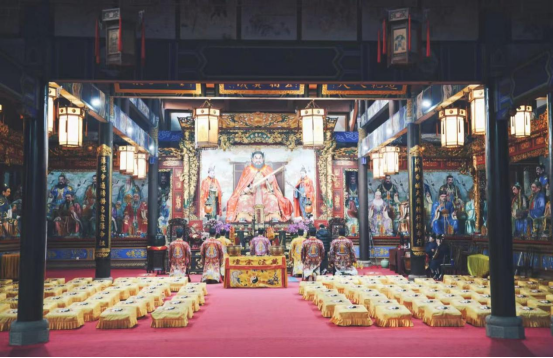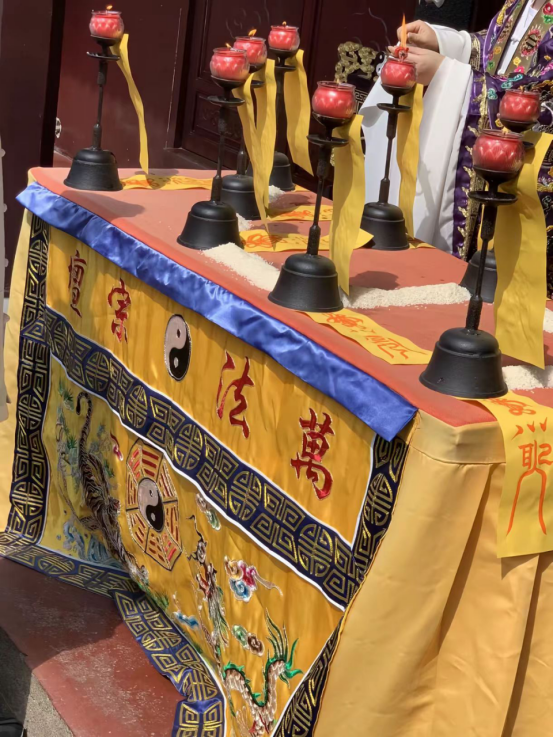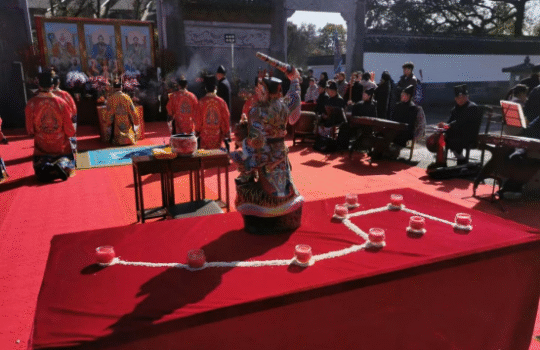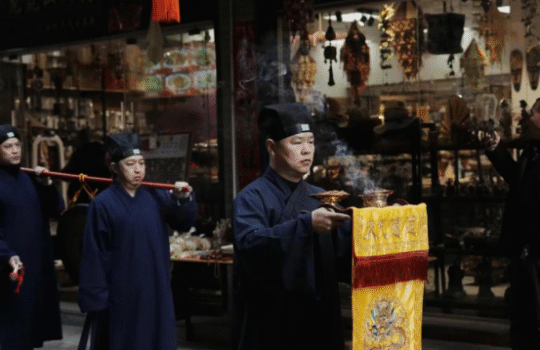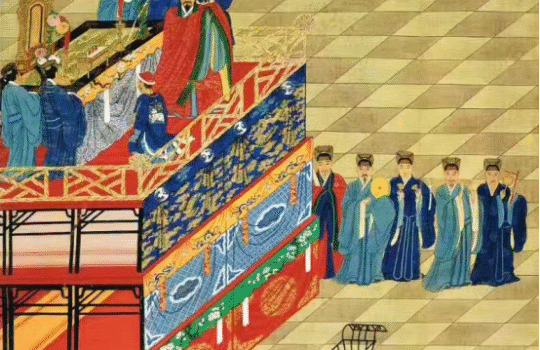
Transmigration is an important funeral-related ritual in Taoism’s sacrificial ceremonies. It is also adopted by other religions such as Buddhism. The core of transmigration in Taoism is to help the deceased souls escape from the suffering realm, eliminate karmic obstacles, and attain a good path or the fairyland through specific rituals. It combines religious belief significance with the cultural attributes of folk funeral and ancestor worship. The specific connotations are as follows:
The core concept of Taoist exorcism
Responsibility and the resolution of karma: Based on the “responsibility” theory in Taoism, it is believed that the deceased may bear “karma” due to their own or their ancestors’ good or bad deeds, remaining trapped in the underworld or evil realms. The exorcism ceremony achieves this by reciting scriptures, presenting offerings, and providing food, thereby eliminating the deceased’s karma and breaking the shackles of responsibility.
Communication between heaven and humans, divine assistance: Taoist priests communicate with celestial deities (such as Taixue Jiufei Tianzun, Dongyue Da di, and Ten Dian Yanshang) through rituals and incantations, praying for divine protection for the deceased and guiding them to leave the underworld and ascend to the heavens, the fairyland, or achieve a good reincarnation.
Dual benefits of yin and yang, peace for relatives: Taoism holds that the unrest of the deceased can affect the fortune of living relatives. Exorcism not only saves the deceased but also enables the living relatives to eliminate disasters and misfortunes, achieve family harmony, and achieve the goal of “peace in the underworld and prosperity in the upper world”.
The main objects of exorcism
Ancestral spirits: This is the most common object for exorcism, used for paying respects to deceased relatives, especially those who died prematurely, accidentally, or without a guardian, to prevent them from becoming “lonely ghosts and spirits”.
Aborted baby souls: In folk beliefs and some Taoist sects, abortion is believed to cause the baby soul to be stuck, and a special purification ceremony is needed to soothe its spirit and help it pass on to the afterlife.
Ten directions solitary spirits: Large-scale purification ceremonies (such as the “Fangyan” and “Shiju” activities during the Zhongyuan Festival) will purify the homeless and solitary spirits, embodying the Taoist concept of “universal salvation” of compassion.
The core process of Taoist divination and exorcism belongs to the “recommending and guiding altar” in the rituals of exorcism. The typical process is as follows:
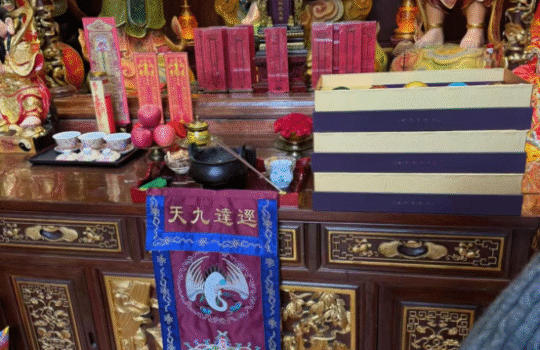
Set up the altar and prepare the rituals: Build the funeral altar, offer sacrifices to the deities such as Taixue Jiuchu Tianzun and the Ten Kings of the Underworld, place the spirit tablets and offerings (vegetarian fruits, purified water, incense and candles), and prepare talismans, documents, and ritual tools (such as the Soul Summoning Banner and the Money for Rebirth).
Cleanse the altar and perform ablutions: The Taoist performs pre-ritual purification and self-discipline, and at the beginning of the ceremony, purify the altar through sprinkling and chanting scriptures to avoid interference from evil spirits.
Summon the spirit and place it in its position: Through incantations and talismans, summon the deceased spirit to come to the altar and place a spirit tablet for it, allowing it to participate in the ceremony and receive merits.
Recite scriptures and repent sins: Recite classics such as “The Book of Transcending Life”, “The Supreme Deity Taixue Jiuchu Protection and Salvation Mystic Scripture”, and “The Rebirth Mantra” together to repent for the deceased’s sins and eliminate evil obstacles.
Present the memorial form and offer food: Write the divination form and burn it, reporting the demands to the Heavenly Court and the deities of the Underworld; at the same time, set up the “food offering” section to offer food to the deceased spirit to relieve their hunger and thirst.
Break the prison and relieve suffering: Some ceremonies have a “breaking the prison” section, where the Taoist performs steps and gestures and holds a sword to cast spells, symbolizing breaking the prison of the Underworld and rescuing the deceased spirit from suffering.
Conduct the introduction to rebirth: Pray to deities such as Taixue Jiuchu Tianzun for their guidance, issue “rebirth certificates”, and guide them to the celestial realm or the path of goodness. Finally, send the deity to dismantle the altar and complete the divination.
Genre Differences and Cultural Connections
Genre Differences:
Zhengdao School: The funeral rituals are elaborate, emphasizing the completeness of talismans, incantations, and rituals. It often undertakes funeral ceremonies for families or clans from the folk. The rituals incorporate a large number of elements from folk beliefs.
Quanzhen School: The funeral ceremonies place more emphasis on the accumulation of inner alchemy merits and their return to the deceased. The rituals are relatively simple, emphasizing the use of theTaoist priest’s own spiritual cultivation merits to assist the deceased, while also combining chanting and repentance, focusing on the redemption at the spiritual level.
Cultural Connections: Taoist funerals are deeply integrated with the folk Mid-Autumn Festival (Ghost Festival) customs. The activities such as lighting lanterns in the river, offering to the spirits, and ancestor worship during the Mid-Autumn Festival are essentially the folk manifestation of the funeral culture, and also align with the Confucian ethical principle of “prudence in the end and pursuit of the distant past” for ancestor worship.