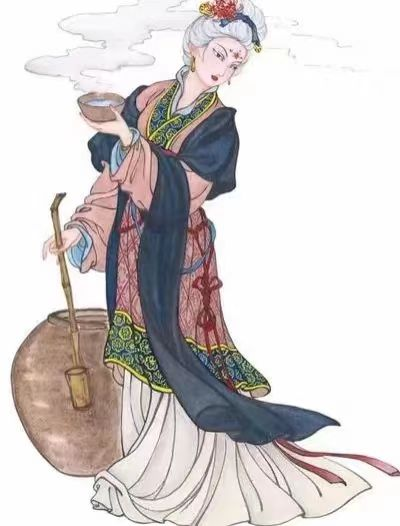
Ten Yama Kings of the Underworld
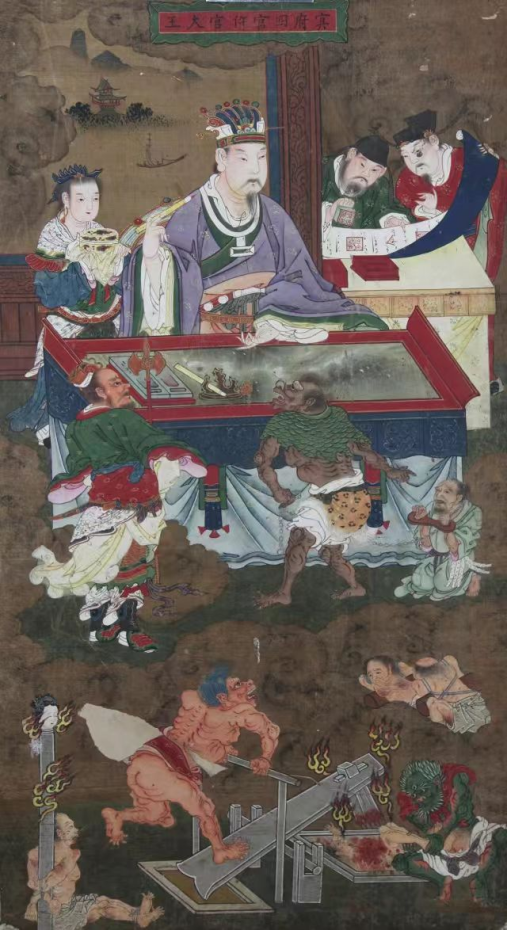
The Ten Yama Kings are the ten rulers of the underworld in Taoism and folk belief, also known as the Ten Yamas. They jointly govern netherworld reincarnation, judge the sins and merits of the deceased, and determine rewards for good deeds and punishments for evil acts, embodying the philosophical concept of “interaction between heaven and humanity, and retribution for good and evil”.
Each of the Ten Yama Kings has distinct responsibilities, conducting tier-by-tier trials of the deceased based on their mortal deeds, and ultimately deciding the direction of their reincarnation.
King Qinguang Jiang of the First Hall: He is exclusively in charge of mortal lifespan, birth and death, as well as overall fortune and misfortune in the netherworld. He judges the good and evil deeds of newly deceased souls: virtuous souls are guided to transcendence, while evil ones are escorted to subsequent halls for punishment.
King Chugang Li of the Second Hall: He presides over the Great Earth Prison, trying souls that committed bodily harm, theft, adultery, or murder in the mortal world, and inflicting punishments such as rib-piercing on them.
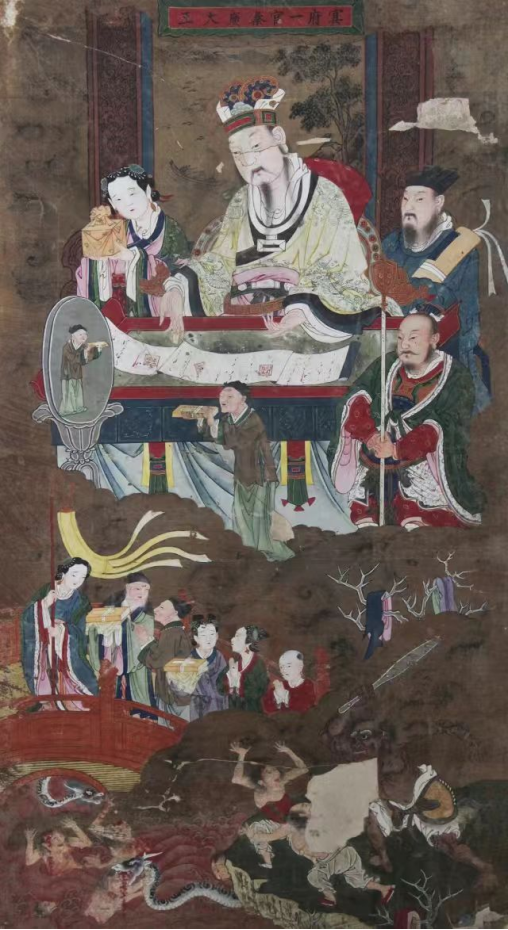
King Songdi Yu of the Third Hall: He administers the Black Rope Great Earth Prison, punishing souls that were unfilial to elders or incited lawsuits, meting out tortures like tongue-suspension and eye-gouging.
King Wuguan Lü of the Fourth Hall: He governs the Union Great Earth Prison, judging souls guilty of corruption, bribery, and exploiting others for personal gain, condemning them to suffer torments of the Mountain of Knives and Ice Prison.
King Yama Bao of the Fifth Hall: Originally assigned to the First Hall, he was demoted to the Fifth Hall for pitying wrongfully deceased souls and allowing them to return to the mortal world to redress grievances. He presides over the Crying Great Earth Prison, specializing in trials of those who died unjustly and souls that bullied the weak and oppressed the kind, and is also responsible for redressing wrongful convictions to clear the names of innocent ghosts.
King Biancheng Bi of the Sixth Hall: He rules the Great Crying Great Earth Prison, punishing souls that cursed heaven and earth or urinated/defecated facing the north, imposing penalties such as ear-cutting and nose-slashing.
King Taishan Dong of the Seventh Hall: He oversees the Fiery Agony Prison, judging souls that robbed graves or desecrated gods, sentencing them to the agony of being boiled in oil cauldrons.
King Dushi Huang of the Eighth Hall: He administers the Great Fiery Agony Great Earth Prison, punishing souls that were unfilial to parents or abandoned their elders, inflicting tortures like intestine-pulling and skinning.
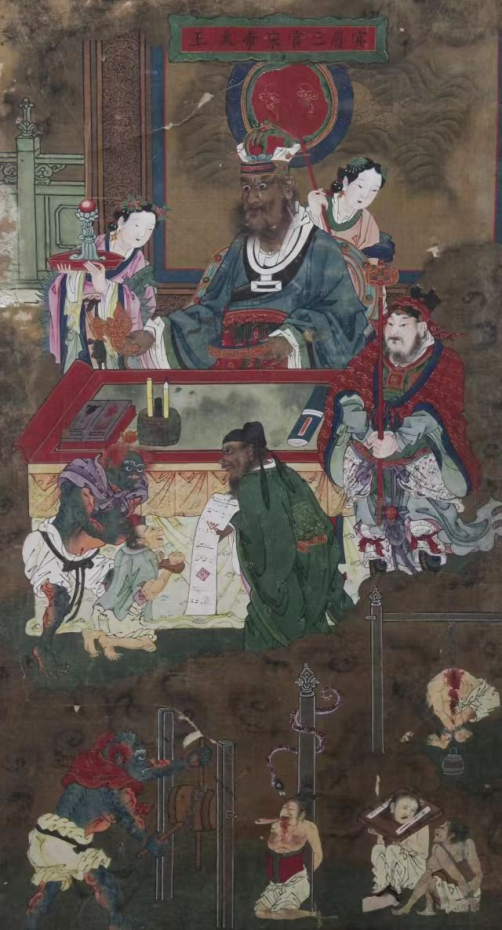
King Pingdeng Lu of the Ninth Hall: He presides over the Iron Net Avici Hell, trying souls guilty of murder, arson, or crimes punishable by death in the mortal world, condemning them to the endless hell from which there is no reincarnation for eternity.
King Zhuanlun Xue of the Tenth Hall: As the ruler of the final hall in the netherworld, he is solely responsible for the reincarnation of souls escorted from other halls. Based on the severity of their sins and the magnitude of their merits, he verifies their reincarnation destinations—either being reborn as humans, falling into the animal realm, or ascending to immortality. He also records the karmic causes and effects of the souls’ past lives to ensure the order of reincarnation.
The belief in the Ten Yama Kings integrates the Taoist netherworld system with Confucian ethics and morality. It not only warns people to “refrain from all evil and practice all good deeds” but also carries people’s spiritual aspirations for fair judgment and retribution for good and evil.