Wuhu Grand God is the collective name for the water deities who are in charge of the five major lakes in the world in Taoism and folk beliefs. It originated from the ancient lake worship and was later incorporated into the Taoist water deity system. It is under the jurisdiction of the Water Official Emperor and the Nine Heaven Yingyuan Leisen Puhuai Tianzun. It is listed together with the Four Rivers Source Kings, the Jiujiang Water God, and the Five Water Deities, forming a complete divine system for managing water bodies in the universe. Its core functions are to regulate the water volume of the five lakes, balance the surrounding climate, prevent floods and droughts, protect fishery production and shipping safety in the lake areas, and also supervise the aquatic creatures in the lake area, preventing water monsters from causing chaos and endangering the people along the coast.
Regarding the specific meaning of “Wuhu”, there are slight differences in ancient texts. From the Qin Dynasty to the Han Dynasty, the five lakes were mostly considered to be Dongting Lake, Poyang Lake, Taihu Lake, Chaohu Lake, and Hongze Lake. This is the most common folk understanding. The Wuhu Grand God corresponds to the deities who are the masters of these five lakes. The names of the Wuhu Grand God in Taoist scriptures vary, and most are given based on the characteristics of the lakes, such as Dongting Lake Grand God often being called “Dong Yuan Guangji Wang”, Poyang Lake Grand God being called “Poyang Puji Wang”, Taihu Lake Grand God being called “Taihu Ningji Wang”, and the names often contain words like “Ji” and “Ning”, highlighting their role in protecting the people’s livelihoods, maintaining peace and saving the world.
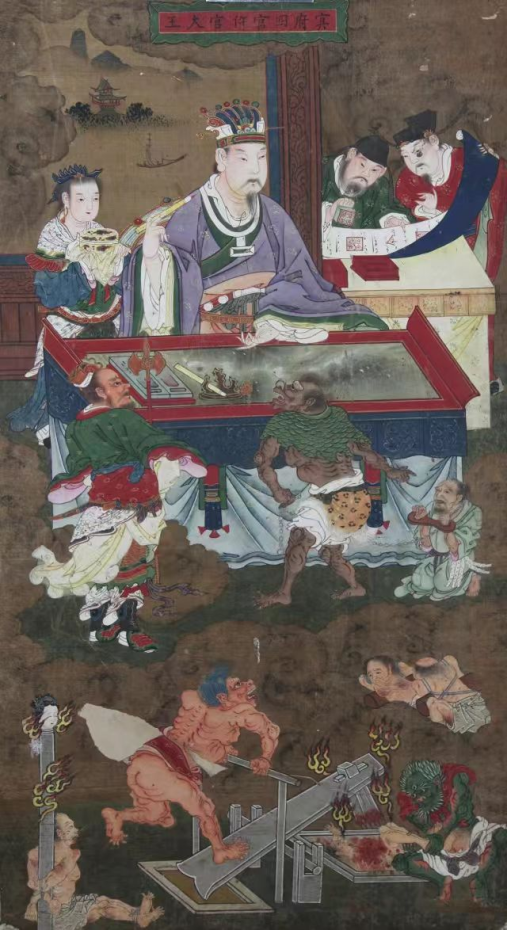
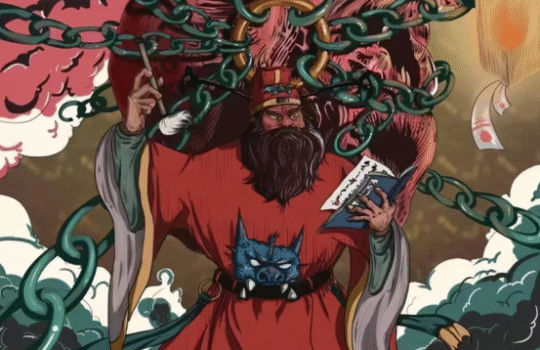
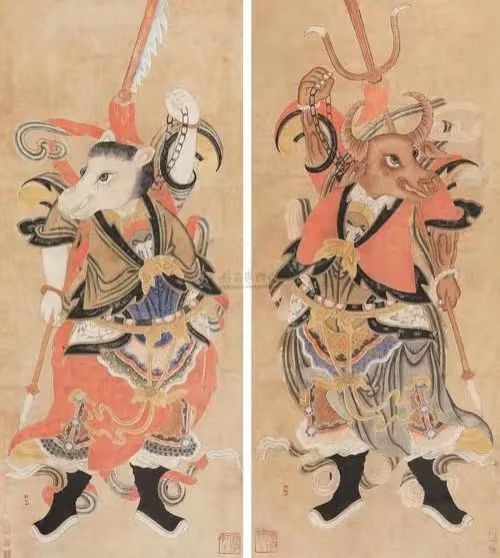
The image of the Wuhu Grand God is mostly a solemn immortal dressed in light blue or dark green official robes, with a calm face, wearing a jade crown, holding a water pattern jade scepter or a fish-shaped ritual object, symbolizing the control over the lake waters. Some statues may also have patterns of lotus flowers and swimming fish. This is in line with the characteristics of the lake water areas. They each perform their own duties. The Wuhu Grand God governs the water storage and flood discharge in the lake area, regulating the water flow in the middle and lower reaches of the Yangtze River; the Poyang Lake Grand God protects the habitat of migratory birds and the harvest of fishery in the lake area, ensuring the irrigation of surrounding farmland; the Taihu Lake Grand God supervises the shipping in the lake area, preventing ships from running aground or encountering storms; the Chaohu Lake Grand God and the Hongze Lake Grand God focus on preventing floods in the lake area and maintaining the stability of the people’s homes along the coast.
In terms of sacrificial customs, the ancient government would build five lake temples along the banks of the five lakes and hold sacrificial ceremonies in spring and autumn. Local officials would personally attend the worship and pray for a peaceful lake area and abundant harvests of grains. The folk sacrifices were more frequent. Before fishermen went out to fish, they would burn incense and offer sacrifices at the lake edge, praying for the protection of the Wuhu Grand God to have a safe and full catch. When the lake area suffered from drought or flood, the people would gather in front of the temple to hold prayer ceremonies, praying for the Wuhu Grand God to regulate the water volume and eliminate disasters. In Taoist rituals, when Taoist priests held prayer ceremonies for rain, disaster relief, or the salvation of aquatic creatures, they would summon the Wuhu Grand God to come, cooperating with the Five Dragon Gods and the Four Seas Dragon Kings to harmonize the water flow and purify the lake area of impurities.
The Wuhu Grand God’s position in the Taoist pantheon is lower than the Five Emperor Dragon Kings, the Four Seas Dragon Kings, the Four Rivers Source Kings, and the Jiujiang Water God. They are at the same level as the Four Rivers Source Kings and the Jiujiang Water God and are higher than local stream gods and well gods. They collaborate with the gods of rivers, lakes, and seas to maintain the order of water bodies in the universe. In terms of cultural influence, the belief in the Wuhu Grand God reflects the ancient people’s reverence and reliance on lake waters. Their images often appear in folk legends, traditional paintings, and sculptures.