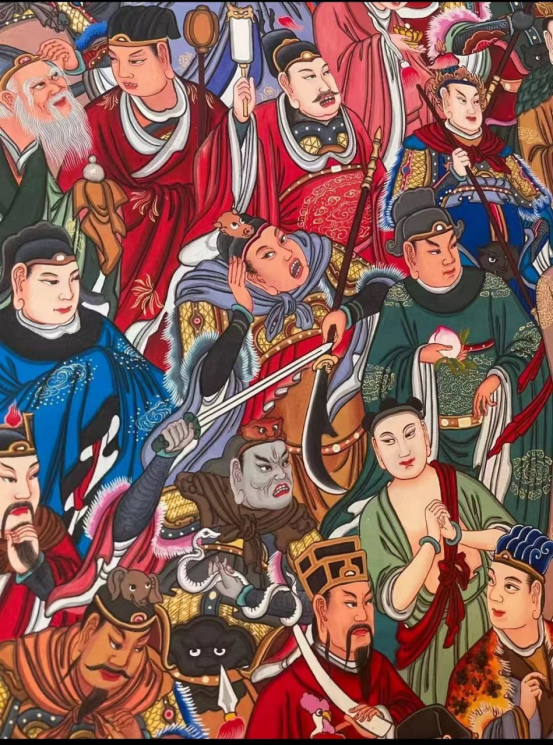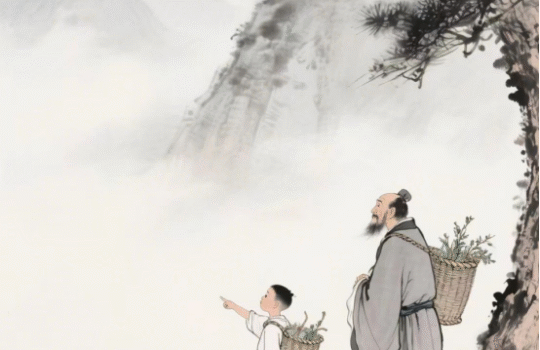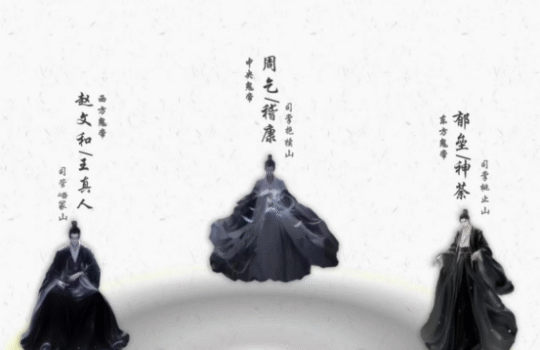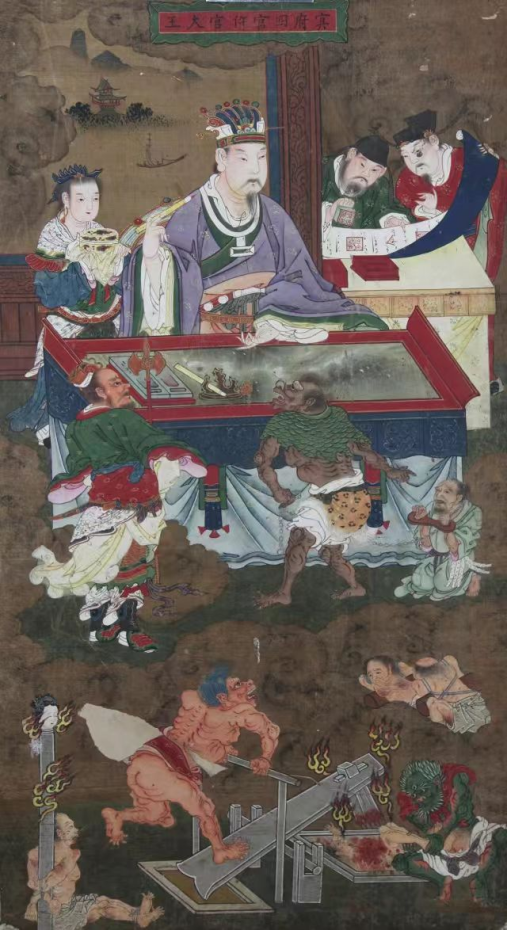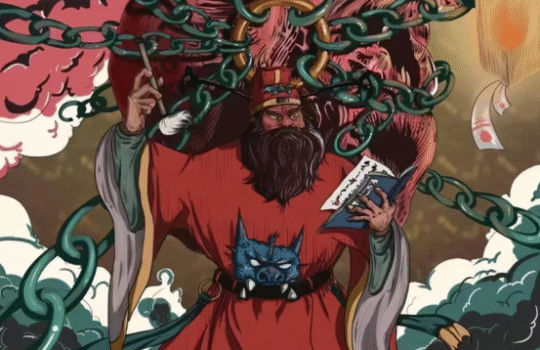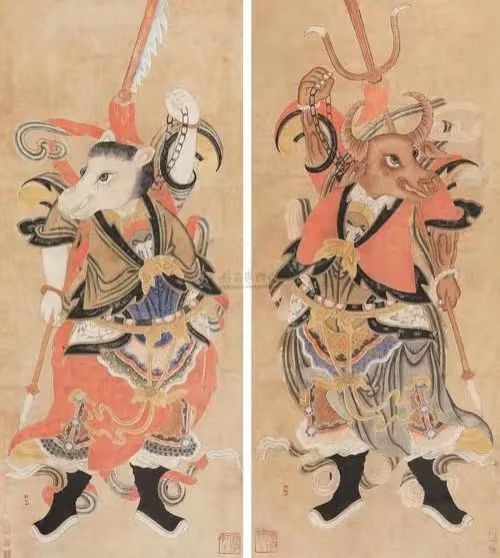
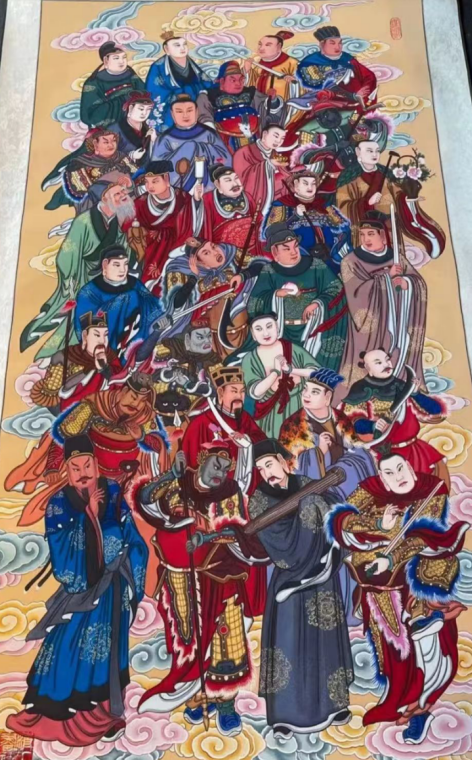
The Sixty-Year God, also known as “Sixty-Year Root Festival Star Deity” or “Great Year God”, is the guardian deity and the year’s zodiacal lord corresponding directly to each person’s birth year, and responsible for the auspicious and ominous fortune of the current year. They are the products of the perfect combination of China’s unique Heavenly Stem and Earthly Branch calendar system and folk beliefs, as well as Taoist theology, embodying the personification and sanctification of time.
Core Concept: Guardians of Heavenly Stem and Earthly Branch
The “Sixty-Year Cycle” is formed by pairing the ten Heavenly Stems (Ji, Yi, Bing, Ding…) with the twelve Earthly Branches (Zi, Chou, Yin, Mao…) in sequence, totaling 60 pairs, used for dating years, months, days, and hours, repeating endlessly.
Each combination represents one year, such as “Ji Zi Year” or “Yi Chou Year”.
Each “Sixty-Year God” is the personified deity of these 60 years. For example, the Ji Zi Great Year is the “root festival star deity” for all those born in the Ji Zi Year, and is also the “yearly zodiacal lord” when it is Ji Zi Year.
Therefore, from the moment of birth, each person has a “root festival star deity” corresponding to their birth year (according to the lunar calendar) that provides lifelong protection. At the same time, every year has a “yearly zodiacal lord” who takes turns to be in charge, governing the good and bad fortune, disasters, and calamities in the world.
Duties and Functions: Dominating the Current Year, Managing Misfortunes and Blessings
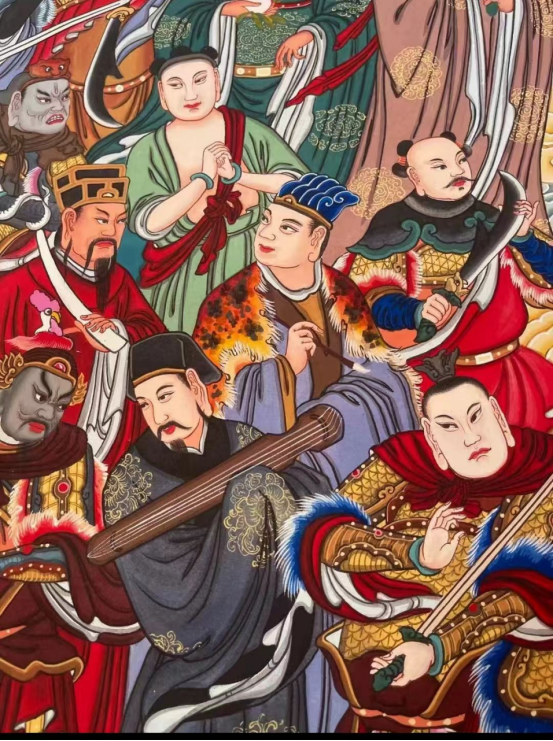
Root Festival Star Deity (Root Festival Star):
He is the “direct superior” and “guardian” of your personal destiny in the temporal dimension. Traditionally, it is believed that devoutly worshipping your root festival star deity can receive its special protection, eliminate disasters and misfortunes, and achieve prosperity and health.
Yearly Dominating Star Deity (Yearly Zodiacal Lord):
The zodiacal lord in charge of the current year has great power and is responsible for the fortune and misfortune of all people, agricultural harvests, diseases and disasters, and national fortune. It is often said in folk belief that “When the Great Year Lord is on top, there is no good fortune and fear of disasters”, which means that if one’s zodiac sign (Earthly Branch) is in conflict with the yearly zodiacal lord “in conflict” (the zodiac sign and the current year are in conflict), things may not go well.
“Conflict with the Great Year” mainly includes: the yearly zodiacal lord (the zodiac sign is the same as the current year), the conflict with the zodiacal lord (the zodiac sign is in conflict with the current year), the punishment of the zodiacal lord, and the harm of the zodiacal lord, etc.
Record Keeper of Good and Evil:
The zodiacal lord also records a person’s good and bad deeds throughout the year and increases or decreases their fortune, longevity, and happiness accordingly.
The Image and Personification of the Great Year God
Unlike many abstract deities, the Sixty-Year Gods are mostly real or legendary figures with noble virtues and benefits to the people in history or in legends. For example:
The Year of the Rat: General Jin Jian, a figure from the Ming Dynasty.
The Year of the Ox: General Chen Cai, a scholar and warrior from the Song Dynasty.
The Year of the Tiger: General Geng Zhang, a good official in the Ming Dynasty who worked for the people’s welfare.
The Year of the Pig: General Yu Cheng, a righteous official from the Ming Dynasty. This setting makes the Year of the Zhiyuan God not only a symbol of time but also carries the moral exemplary significance of Confucianism, such as loyalty, filial piety, righteousness, and benefiting the hometown.
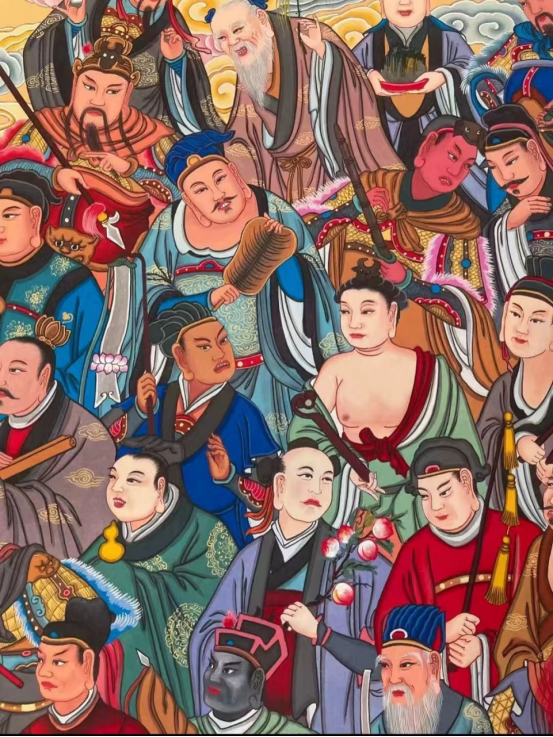
Faith Practice: “Guarding the Year” and “Blessing the New Year”
Guarding the Year/Blessing the New Year: This is the core custom. During the Lunar New Year (or around the Spring Equinox), people whose zodiac signs fall under the Year of the Zhiyuan God will attend the “Blessing the Year” ceremony at a Taoist temple (Taoist rituals) or perform the ceremony themselves in the Year of the Zhiyuan God Hall. Through offerings, worship, wearing the Year of the Zhiyuan God amulets, and other methods, they pray for the Year of the Zhiyuan God to be merciful and forgive sins and bestow blessings, resolving the misfortunes of the year. The ceremony is usually held during the first month and is called “Harmony Star” or “Blessing the Harmony Star”.
Offering the Personal Year of the Zhiyuan God: People will also offer or keep in mind their personal Year of the Zhiyuan God throughout their lives to seek lifelong protection.
Year of the Zhiyuan God Amulet: The “Year of the Zhiyuan God Amulet” written and blessed by Taoists is a common means of resolving issues. It will have the name and talisman of the Year of the Zhiyuan God for that year written on it, and believers carry it with them or place it in their homes.
Summary of Cultural Significance
The belief in the sixty-year cycle of zodiac gods is the ultimate manifestation of the “Heaven and Man Interaction” thought in Chinese culture:
It transforms the abstract time (the Heavenly Stems and Earthly Branches) into concrete deities that can be worshipped, giving time a personality and will.
It provides each person’s fate with a sacred “supervisory unit” and “annual rotating chairperson”, making prayer for blessings and warding off disasters have a clear target.
It integrates moral education into the belief in fate, and the Year of the Zhiyuan God is mostly virtuous officials, filial sons, and virtuous people, suggesting that only by doing good deeds and accumulating virtue can one receive the kindness of time.