Jiujiang Shuidi is the collective name for the water deities in the Taoist water deity system who are in charge of the nine major rivers in the world. It originated from ancient river worship and was later incorporated into the Taoist pantheon. It is under the jurisdiction of the Water Official Emperor and the Nine Heavens Yingyuan Leisheng Puhua Tianzun. It is ranked alongside the Four Rivers Source Kings and the Five Water Deities, and together they form the water deity management system for rivers, lakes, and other water bodies. Its core function is to regulate the flow of rivers under its jurisdiction, prevent floods, and protect the safety of agriculture, irrigation, and shipping along the banks. It is an important deity that ensures the stability of the water system on earth.
Regarding the specific meaning of Jiujiang, there are different accounts in ancient texts. “The Book of Documents – Yu Gong” records that “Jiujiang is abundant and fertile,” referring to the nine tributary rivers in the Yangtze River Basin. Some also believe that it refers to the nine major rivers within the nine states. The Water Deity of Jiujiang corresponds to these nine rivers. The names of the Water Deities of Jiujiang in Taoist scriptures vary slightly. The more common account is that each Water Deity has its own specific title to highlight the characteristics of the rivers under their jurisdiction. For example, the Water Deity governing the tributaries of the Yangtze River often has titles like “Wang Yuan” or “Shun Ji,” while the Water Deities governing the northern rivers often have titles like “An Lan” or “Ling Yuan.”
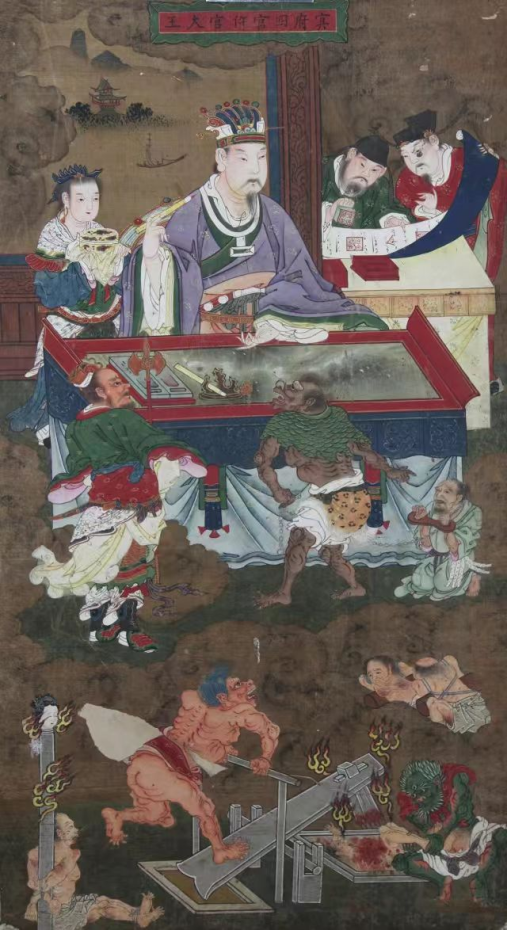
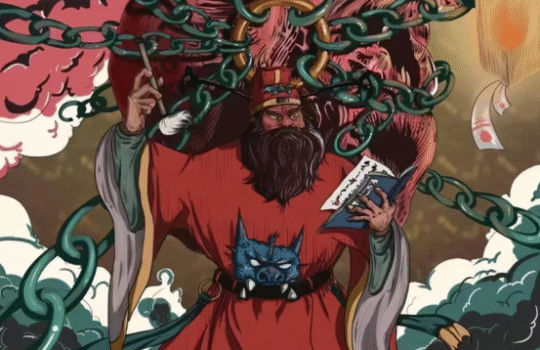
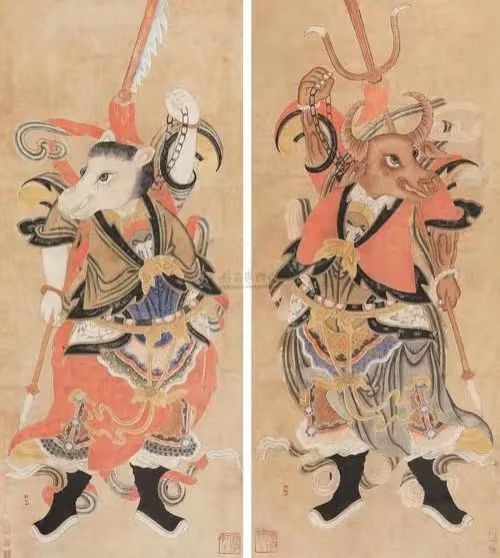
The image of Jiujiang Water Deity is usually a dignified celestial official dressed in the color robes corresponding to the color of the river. It can be either green, yellow, or black, holding a water pattern jade圭 or the river map, symbolizing the control over the direction and flow of the river. Some of the statues of the Water Deities may be adorned with dragon patterns, reflecting their connection with aquatic creatures. They each perform their own duties. Some are responsible for conserving water sources in the upper reaches to ensure the stability of river water volume; some are in charge of dredging the middle and lower reaches of the river channels to prevent sediment accumulation and flood disasters; some protect river navigation and prevent ships from colliding and capsizing, and at the same time, they supervise the aquatic creatures in the river to prevent them from causing disturbances and endangering the safety of the people along the banks.
In terms of sacrificial customs, the ancient government would build water deity temples at the sources or important sections of the nine rivers and hold sacrificial ceremonies in spring and autumn. Local officials would personally offer sacrifices to pray for the stability of the rivers, a bountiful harvest, and good weather. In the folk, during flood seasons or droughts, people would go to the water deity temples to burn incense and pray, asking the Water Deity to calm the floods when there is a flood and to bring down rain when there is a drought. In Taoist rituals, when Taoist priests hold rain-making or disaster-relief ceremonies, they will summon Jiujiang Water Deity to come, cooperating with the Five Dragon Gods and the Four Seas Dragon Kings to regulate the water flow and purify the polluted waters.
The status of Jiujiang Water Deity is lower than the Five Dragon Kings and the Four Seas Dragon Kings, but higher than local stream deities and well deities. It is similar to the duties of the Four Rivers Source Kings. The difference is that the Four Rivers Source Kings are in charge of the four major rivers that flow directly into the sea, while Jiujiang Water Deity is in charge of the tributary rivers in the world. They cooperate with each other to maintain the stability of the river system. In terms of cultural influence, the belief in Jiujiang Water Deity reflects the ancient people’s reverence and reliance on rivers.