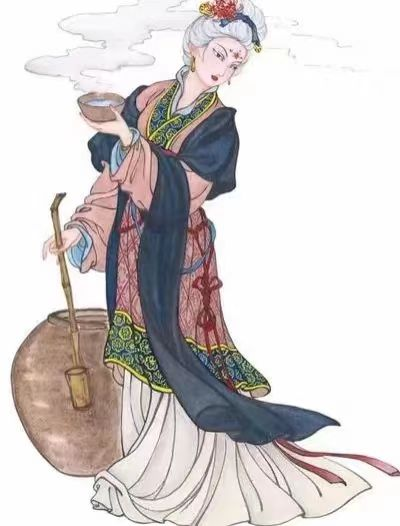
The judge is a core civil deity in the Taoist underworld system, belonging to the ranks of Fengdu Emperor and the Ten Dwarfs’ Kings. Their duties include conducting trials in the underworld, recording documents, and making judgments on good and evil. They are the key executors connecting the higher-level and grassroots ghost officials in the underworld. They are equivalent to the “judicial judge” and “archivist” of the Underworld Court.
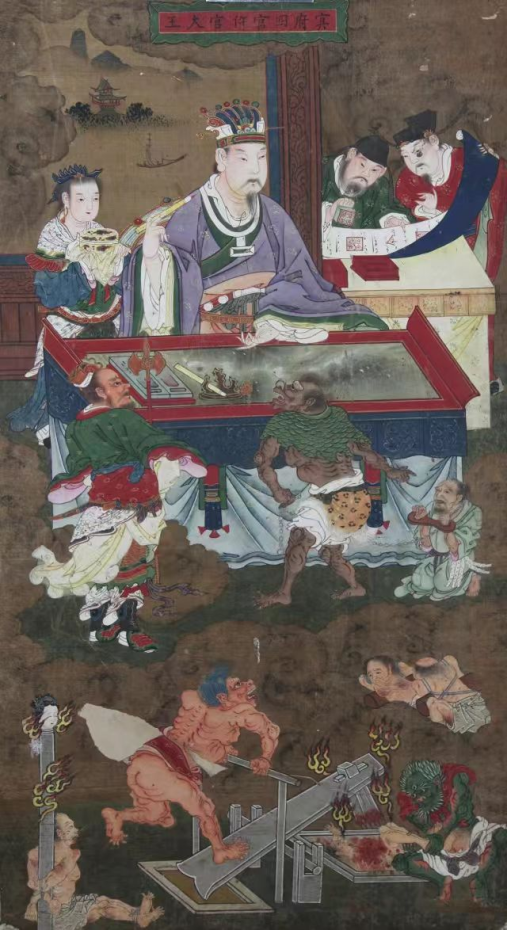
The belief in judges originated from ancient imagination of the order of the afterlife. After Taoism incorporated them into its pantheon, it clearly designated them as the core role in the underworld’s administrative and judicial functions, directly reporting to the Ten Dwarfs’ Kings. Some senior judges could even meet Fengdu Emperor to report their affairs. Their images are often depicted as scholars wearing black or red official robes and wearing a black cap. They have a clean and solemn face, holding legal implements such as the “life and death book” and the red pen, and sometimes even handcuffs and tokens. Some are also equipped with other symbols, showing both the scholarly demeanor and the judicial authority.
The most representative judges in popular culture and Taoist scriptures are four in number, each with a specific role:
The Judge of Rewarding Virtue: Usually depicted with a kind face and rosy complexion, holding the “good deeds book” and reward tokens, responsible for recording the virtuous deeds of all beings during their lifetime, such as saving lives and helping the elderly and the weak. During the trial, they reduce the punishment for the deceased based on their good deeds or guide them to the path of good afterlife.
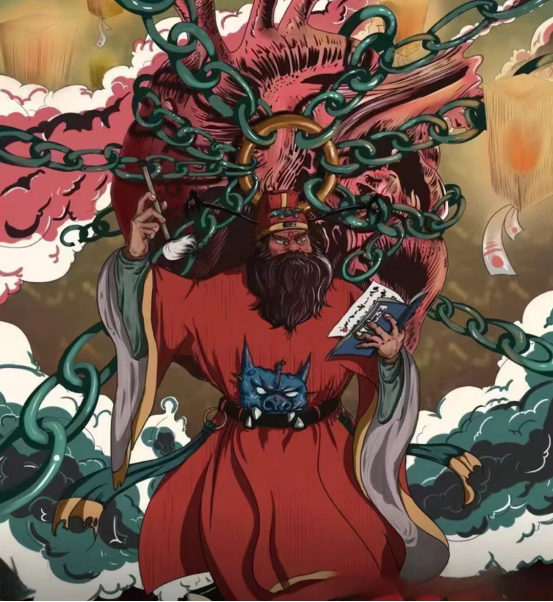
The Judge of Punishing Evil: With a stern face and wide-open eyes, holding the “evil deeds book” and a list of punishments, specifically recording the evil deeds of all beings, such as killing and harming others, and bullying the virtuous. During the trial, they determine the punishment based on the crime and submit it to the King of the Dwarfs for final decision, then hand it over to the ghost guards for execution.
The Investigator Judge: Also known as “Inspector Judge”, with a sharp and efficient image, holding inspection cards and case files, responsible for verifying the authenticity of the records of the Rewarding Virtue Judge and the Punishing Evil Judge, and also inspecting the good and evil behaviors of the living beings in the world, investigating human injustices, and serving as the “inspector” of the underworld. This ensures that the trials do not have any omissions.
The Judge of Underworld Law: With a solemn and dark-faced image, holding the underworld legal code and the “life and death book”, proficient in the laws of the underworld, responsible for interpreting the legal provisions of the underworld, determining the severity of the crimes of the deceased, and managing the lifespan, fortune, and fate of all beings, canceling or extending the lifespan of the living beings. The most famous underworld judge in popular culture is Cui Jue (Cui Fu-jen), who was said to have been a county magistrate in the living world and was known for his integrity and fairness. After his death, he was enshrined as a judge and was also said to have “manage affairs in the living world during the day and judge cases in the underworld at night”.
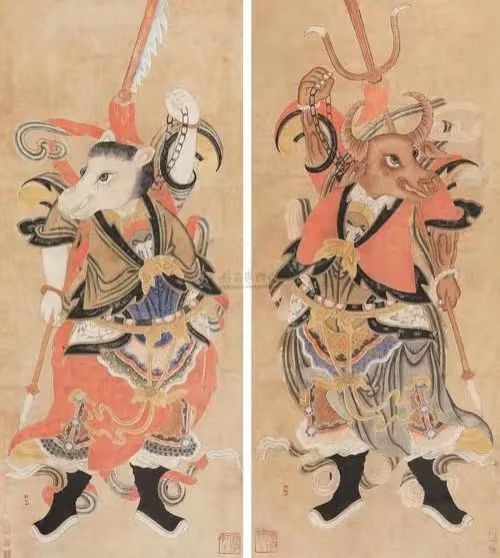
The core functions of judges include three aspects: First, they record and archive, establishing a “good and evil book” for each being, detailing their words and deeds throughout their lifetime, serving as the basis for the trial; second, they make initial judgments, after the deceased is escorted to the King of the Dwarfs’ Hall, they first check the records of good and evil, propose preliminary suggestions for rewards and punishments, and submit them to the King of the Dwarfs for final decision; third, they execute instructions, based on the decision, issue soul-traveling tokens, punishment documents, or guide virtuous souls to reincarnate, and supervise the execution process of the ghost guards and prison officers, preventing favoritism and corruption.
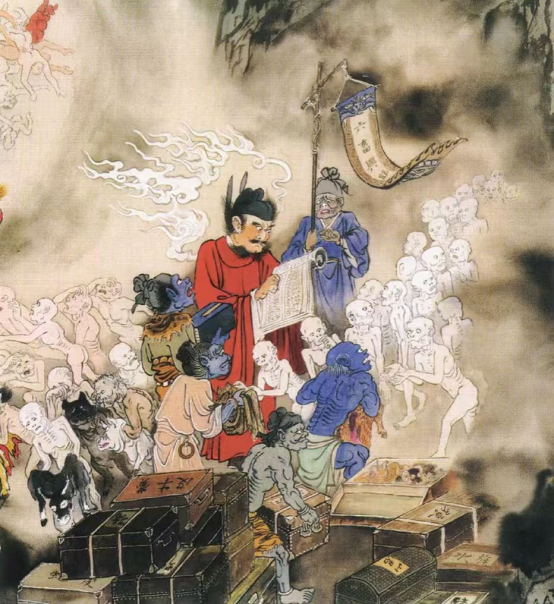
In Taoist rituals, the funeral ceremonies to escort the deceased often mention judges. Taoist priests recite scriptures for blessings, praying that the judges will handle the deceased’s sins impartially and reduce the punishment. In popular beliefs, people believe that judges are incorruptible, fair and strict, both respecting their power to judge good and evil and believing that they can uphold justice for the wronged. In traditional art and Taoist cultural ornaments, judge elements are often given the meaning of “expelling evil spirits and deterring evil, distinguishing right from wrong”, suitable for creation in protective pendants, household decoration items, etc., symbolizing the expulsion of evil spirits and protecting righteous people.