
The Taoist Morning Routine: Attention, Simplicity and Preparation

Introduction
Modern life often teaches us that productivity begins with doing more.
We wake up, check our phones, reply to messages, glance through emails, think about breakfast, plan the day’s schedule, and begin solving small problems before our feet have fully touched the floor. By the time we finally sit down to do meaningful work, our attention has already been scattered across dozens of tiny decisions.
Ironically, most of these tasks feel urgent, yet very few of them are actually important.
From a Taoist perspective, this is not simply a problem of time management. It is a problem of how we use our mind at the beginning of the day.
Ancient Taoist philosophy has always placed great importance on following the natural rhythm of life. Morning is not merely the first few hours on a clock—it is the moment when the mind is naturally quieter, the body begins to awaken, and our energy has not yet been pulled in countless different directions. Before the world asks for our attention, we still possess something rare:
A clear mind.
How we use this clarity often shapes the quality of everything that follows.
Instead of allowing the first hour to become a collection of interruptions and small decisions, Taoism encourages us to protect it as a period of intention. The goal is not to become obsessed with productivity, but to begin the day before unnecessary distractions have a chance to take root.
This is remarkably similar to the Taoist practice of slowing down rather than rushing forward. If you’ve explored our article on Why Drinking Tea Is a Taoist Practice: Learning to Slow Down in a Fast World, you’ll recognize the same principle at work here: the quality of an experience often depends less on speed and more on the state of mind we bring into it.
The first hour of the morning is no different.
It is not simply the beginning of another day.
It is the direction that the rest of the day is likely to follow.
Your Morning Mind Is Naturally Clear
The Best Work Begins Before the World Arrives

Before the day truly begins, there is a brief period that many people hardly notice.
The phone has not started ringing. No one is asking for your attention. There are no unexpected emails waiting to be answered, no meetings to attend, and no decisions demanding an immediate response. For a short while, your mind remains surprisingly quiet.
Modern neuroscience describes this as a period of low cognitive load. Because your brain has not yet processed the countless pieces of information that arrive throughout the day, more of your attention remains available for deep thinking and meaningful work.
Although Taoism uses different language, it points toward the same observation.
A calm mind naturally sees more clearly than a distracted one.
The Huangdi Neijing (The Yellow Emperor’s Inner Canon) explains that morning is the time when yang qi begins to rise. After a night’s rest, the body gradually awakens, energy starts to circulate, and the mind is refreshed before it becomes occupied by the demands of the outside world. Rather than fighting against this natural rhythm, Taoism encourages us to work with it.

Also, rest is the foundation of a clear morning. If you’d like to improve the quality of your sleep using Taoist practices, explore our guide on How Taoist Meditation Improves Sleep and Mental Clarity.
For some people, a quiet period after waking offers room for reflection before other demands begin. The best time depends on sleep, work, caregiving and individual circumstances.
The challenge today is not that we lack time.
The challenge is that we give away our clearest attention before using it ourselves.
Many people wake up and immediately invite the outside world into their minds. A quick glance at social media becomes ten minutes of scrolling. One email leads to another. A message reminds us of a forgotten task. Before any meaningful work has even begun, our thoughts are already scattered across dozens of unrelated directions.
By comparison, imagine beginning your day differently.
Instead of reaching for your phone, you sit quietly with the work that matters most. There are no notifications competing for your attention and no unnecessary decisions waiting to be made. For even thirty uninterrupted minutes, your mind remains connected to one single purpose.
That quiet focus is not something you force.
It is something you protect.
Taoism teaches that following nature is often wiser than resisting it. Morning already offers us a naturally clear state of mind. The real question is whether we preserve that clarity—or trade it away before the day has truly begun.
Stop Filling Your Morning With Small Decisions
Every Small Choice Quietly Consumes Your Mind

Most people assume that mental exhaustion comes from solving difficult problems.
In reality, it often begins much earlier.
Long before we start our most meaningful work, we have already spent our attention making dozens of small decisions. What should I wear today? What should I eat? Should I reply to that message now? Is this email urgent? Do I have enough time before my first meeting?
None of these questions seems particularly demanding on its own. Yet together, they quietly consume the mental clarity we woke up with.
By the time we finally sit down to focus, the mind has already been divided into countless small fragments.
Taoism has long recognized that a restless mind rarely comes from one great burden. More often, it is the accumulation of countless small distractions that gradually pull us away from inner stillness. Every unnecessary decision invites the mind to wander a little further, making it increasingly difficult to remain centered.
The Zhuangzi describes the practice of Xin Zhai ("the fasting of the mind") in the chapter "Ren Jian Shi" (In the World of Men). Rather than constantly filling the mind with new thoughts, worries, and judgments, Xin Zhai teaches us to create space by letting unnecessary mental activity settle. (See the Zhuangzi – Ren Jian Shi (Chinese Text Project) for the original text.)

This is also closely connected to what we now call overthinking. Instead of trying to suppress every thought, Taoist philosophy encourages us to reduce the unnecessary mental activity that keeps pulling our attention away from the present. If you'd like to explore this idea further, you may also enjoy our guide on Taoism and Anxiety: Finding Inner Peace Through the Wisdom of Tao.
Morning offers a perfect opportunity to practice this principle.
Instead of immediately asking yourself ten different questions, reduce the number of decisions you need to make. Prepare tomorrow's clothes the night before. Decide on your most important task before going to bed. Leave your workspace ready so that beginning your work requires as little effort as possible.
These habits are not simply about saving time.
They are about protecting attention.
Every unnecessary decision you remove leaves a little more room for the work that truly matters. Over weeks and months, those small changes begin to shape an entirely different way of living.
A calm morning is rarely created by chance.
It is created through fewer unnecessary choices.
Protect Your Most Valuable Attention
Your Attention Is More Precious Than Your Time
People often say that time is our most valuable resource.
Time is certainly precious.
But from a Taoist perspective, something else is even more valuable:
Your attention.
Learning to stay with your attention instead of constantly reacting to the outside world is also at the heart of our guide How to Overcome Social Anxiety: A Taoist Guide to Staying Present.
Two people can have the same twenty-four hours in a day, yet accomplish completely different things. The difference is rarely found in the number of hours they possess. More often, it lies in the quality of attention they bring to those hours.
Modern life constantly competes for that attention. Notifications appear before breakfast. News headlines demand immediate reactions. Social media encourages endless scrolling, while emails and messages invite us into other people's priorities before we have even considered our own.
Little by little, our attention is divided.
Not because we chose to give it away.
But because we never stopped to protect it.
Taoist philosophy reminds us that the mind naturally follows wherever our attention goes. If our awareness is constantly pulled outward, inner clarity gradually fades. This is why classical Chinese medicine places such importance on guarding the spirit rather than endlessly stimulating it.
The Huangdi Neijing(Suwen (Plain Questions), Chapter 1: Shang Gu Tian Zhen Lun).
Expresses this idea with the phrase:
"精神内守,病安从来。"
"When the spirit is guarded within, where could illness come from?"
Although this teaching originally refers to health, its wisdom extends far beyond the body. A mind that is constantly scattered becomes difficult to settle, while a mind that is carefully protected retains both clarity and stability.
This is why the first hour of the day deserves special care.
Rather than asking, "What does the world need from me?", begin by asking:
"What deserves my attention today?"
The difference may seem small, but it changes the direction of the entire morning.
Instead of allowing other people's priorities to decide how your day begins, you consciously choose where your attention will go first.
That choice is not about becoming more productive.
It is about becoming more intentional.
Protecting your attention does not mean avoiding the world.
It simply means meeting the world after you have first met yourself.
Prepare the Night Before
Simplicity Begins Before the Morning
Many people believe that a peaceful morning begins when they wake up.
In reality, it begins the night before.
A rushed morning is often the result of dozens of small decisions that were postponed until the last possible moment. Clothes are chosen after waking. Breakfast is decided while standing in the kitchen. The day's priorities remain unclear until emails begin arriving. Every delay creates another decision, and every decision asks for another piece of your attention.
The morning itself is rarely the problem.
The problem is that we expect it to solve everything we failed to prepare yesterday.
Taoist philosophy has long emphasized the importance of acting before disorder appears. Rather than waiting for confusion to arise and then trying to control it, the wiser approach is to create conditions in which confusion is less likely to emerge in the first place.
The Tao Te Ching(Chapter 64) expresses this principle beautifully:
"Deal with the difficult while it is still easy. Accomplish the great while it is still small."
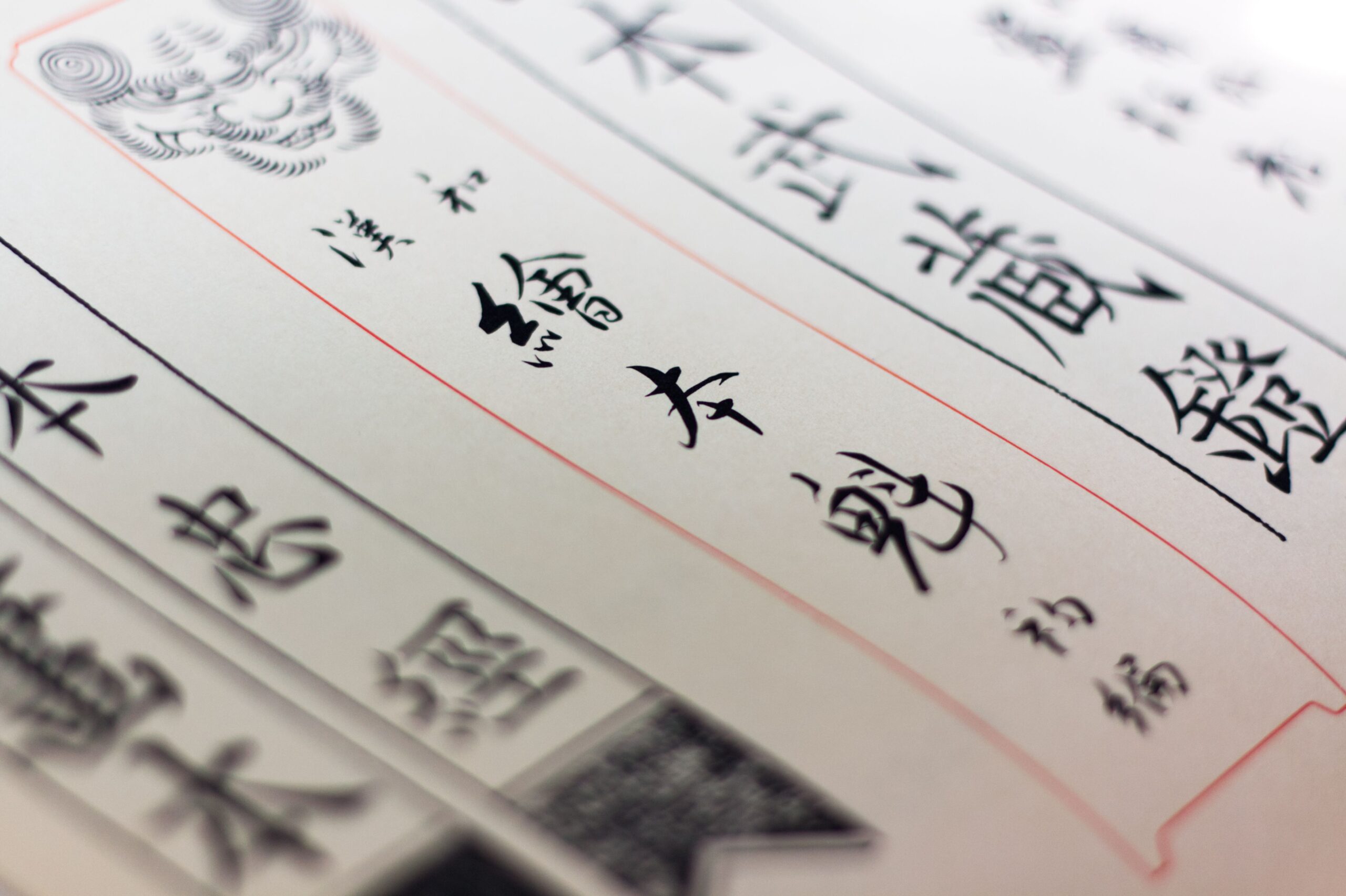
Preparing for tomorrow is not about trying to control every detail of life. Taoism does not encourage rigid planning or perfectionism. Instead, it teaches us to remove unnecessary obstacles so that our actions can unfold more naturally.
Something as simple as preparing your workspace before bed can make a surprising difference. Close the day by clearing your desk, opening the document you plan to work on, placing a notebook nearby, or writing down the single most important task for the following morning.
When you wake up, you no longer have to decide where to begin.
You simply begin.
This gentle preparation reduces friction before it appears. Instead of spending your clearest hour making choices, you spend it making progress.
Small preparations rarely feel significant in the moment.
Yet over months and years, they quietly shape the rhythm of an entire life.
Let the Morning Belong to Yourself
Begin the Day Before the World Begins It for You

Perhaps the greatest mistake many of us make each morning is allowing the world to decide how our day begins.
Before we have taken a moment to think for ourselves, we are already responding to notifications, reading headlines, replying to messages, and reacting to other people's priorities. Although these actions may seem harmless, they quietly place our attention in the hands of everything except what matters most.
Little by little, the morning stops belonging to us.
It belongs to everyone else.
Taoism offers a different approach.
Rather than beginning the day with reaction, it encourages us to begin with intention. This does not mean withdrawing from the world or ignoring our responsibilities. Instead, it means giving ourselves a brief period of stillness before allowing the outside world to enter.
That quiet space changes everything that follows.
A short period of meaningful work, reflection or quiet cultivation may help you begin with a clearer intention. It does not guarantee how the rest of the day will unfold. You no longer spend the morning chasing your attention because you have already chosen where it belongs.
The Tao Te Ching Chapter 8 compares the highest virtue to water.
Water does not struggle to prove its strength, nor does it rush to arrive first. It follows the shape of the land, adapting without losing its own nature. In the same way, a Taoist morning is not built on pressure or rigid discipline. It is built on working with your natural rhythm instead of constantly fighting against it.
This is why protecting your morning is about far more than productivity.
It is about protecting the quality of your mind.
The world will always have demands waiting for you.
Emails will still arrive.
Meetings will still begin.
Messages will still need replies.
None of those things disappear because you delayed them for an hour.
What may disappear, however, is the quiet clarity you possessed when you first opened your eyes.
Once that state has been scattered across dozens of interruptions, it is difficult to fully recover.
Give yourself that hour first.
Not because the world deserves less of you.
But because your best contribution to the world begins with giving your clearest attention to what matters most.
A peaceful morning is never an accident.
It is a choice that is made, and protected, every single day.
Final Thoughts
Every morning offers a quiet invitation.
Not to rush.
Not to react.
But to begin with intention.
The world will always ask for your attention.
Taoism reminds us that we do not have to answer immediately.
Before you give your energy to everything around you, take a moment to return to yourself. Protect your clearest mind, choose what truly matters, and allow the rest of the day to unfold from that place of calm.
A peaceful life is rarely built through dramatic changes.
It is built one quiet morning at a time.
Tomorrow, before the world begins your day—
Begin It Yourself.
FAQ
Taoism teaches that morning is a naturally quiet and balanced time when the mind is less distracted and the body's energy begins to awaken. Protecting this period allows you to start the day with greater clarity, intention, and inner calm rather than immediately reacting to external demands.
If possible, yes. Looking at messages, emails, or social media immediately after waking can quickly scatter your attention. Taoist philosophy encourages beginning the day by connecting with yourself before responding to the outside world.
You don't need an elaborate routine. Start with a few simple practices such as waking without checking your phone, spending a few quiet minutes in reflection or meditation, drinking tea mindfully, and focusing on your most meaningful task before handling everyday distractions.
Taoism does not pursue productivity for its own sake. Instead, it encourages living in harmony with your natural rhythm. Ironically, when you stop constantly forcing yourself and begin working with a calm, focused mind, meaningful work often becomes easier to accomplish.
The most important lesson is to begin the day with intention rather than reaction. Before giving your attention to the world, take a moment to return to yourself. A peaceful morning often leads to a more balanced and mindful day.
The classical language about illness expresses a historical ideal of cultivation. It is not evidence that this routine prevents disease or replaces sleep and medical care.


Comments & Reflections (0)