Tag Archives: taoist deities

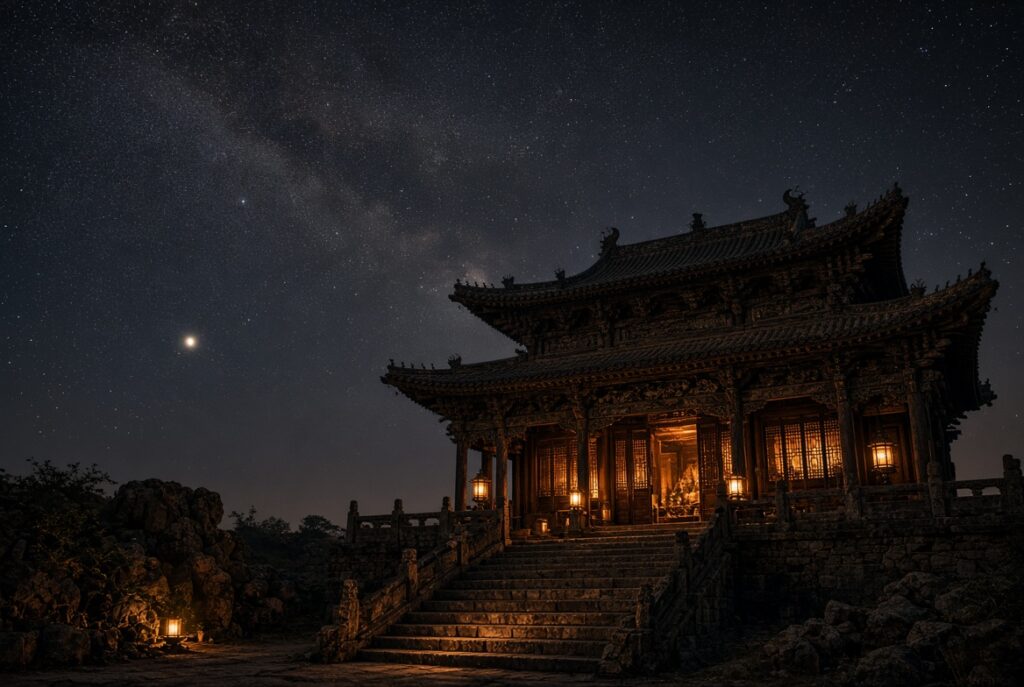
Taoist Worship of the Dipper: Beliefs, Lamps and Rituals

Legend has it that Zhuge Liang once set up an altar at Wuzhangyuan to perform a ritual known as “star purification and life extension.” This ritual centered on offering sacrifices to the Big Dipper lamp. It was believed that if the main lamp remained lit for seven days, one’s life could be prolonged. However, on […]
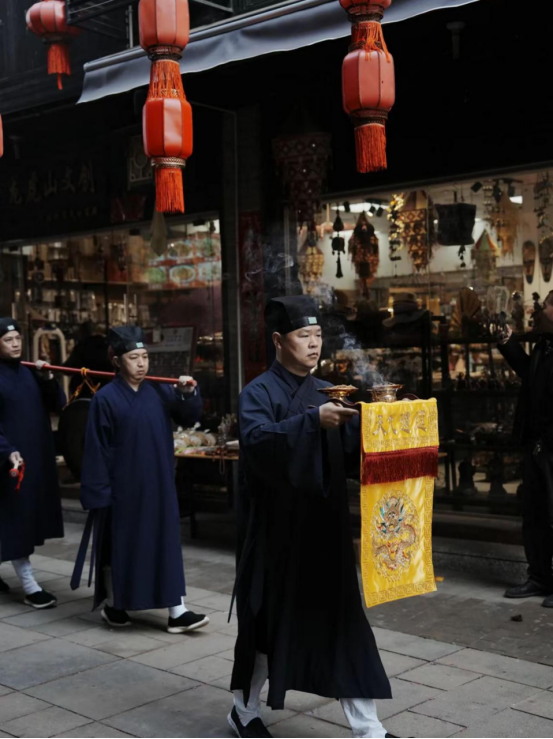
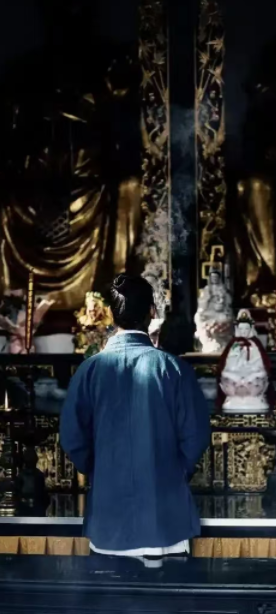
Taoist Prayer for Blessings: Rituals, Deities and Meaning

Pray for blessings in Taoism is a traditional religious practice in which believers seek protection, peace, health, prosperity, and spiritual harmony through rituals, offerings, and sincere devotion to Taoist deities. Rooted in the Taoist belief of the interaction between heaven and humanity, these practices establish a sacred connection between humans and the divine world. The […]

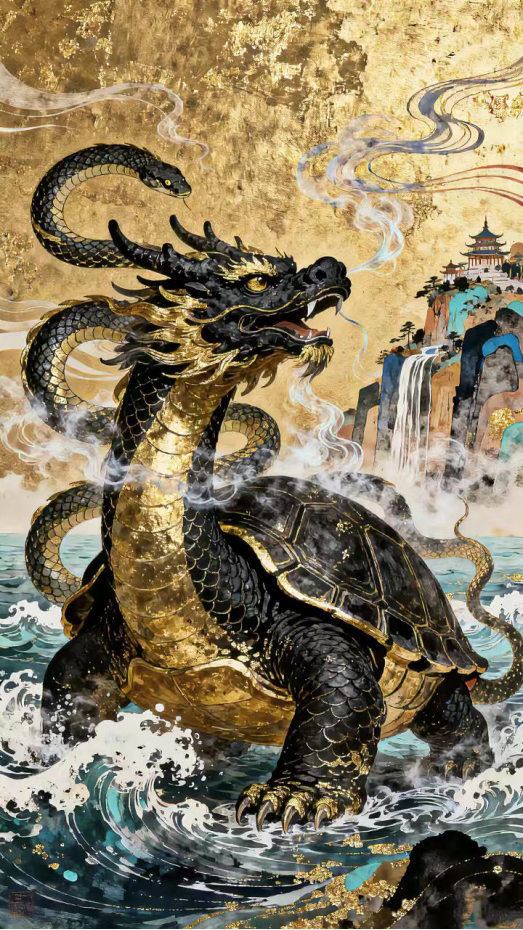
Four Symbols in Taoism: Azure Dragon, White Tiger, Vermilion Bird and Black Tortoise

The Four Symbols, also known as the Four Divine Spirits or Four Celestial Spirits, are among the most important symbolic beings in Chinese mythology and Taoist cosmology. They represent the four cardinal directions, the four seasons, and the balance of the Five Elements. The Four Symbols consist of the Azure Dragon, White Tiger, Vermilion Bird, […]

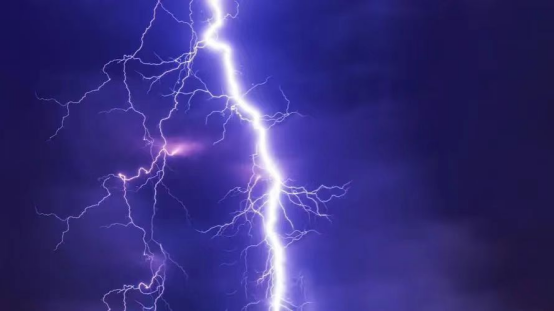
Five Thunders in Taoism: Meaning and Ritual Context

The Five Thunders are the core classification within the Thunder Ministry system of Taoism. They serve as the “Heavenly Instruments of Punishment” under the authority of the Heavenly Lord of Universal Salvation Through Thunder, Who Responds to Primordial Forces of the Nine Heavens. They represent the five fundamental manifestations of thunder and lightning and function […]

What Is Tai Sui? Understanding the Chinese Zodiac’s Guardian Deities and Why They Matter

Introduction When people first hear the term “Tai Sui,” they often encounter it in the context of a single warning — that they may be “offending Tai Sui” this year, and should take precautions. What’s less commonly explained is what Tai Sui actually is, and why this belief has persisted in Chinese culture for nearly […]