Introduction When people first learn their Chinese zodiac animal, it is often treated as a fun fact — something to mention alongside a Western star sign. But the Chinese zodiac is much more than a personality system. It is part of a traditional framework for understanding time, personality, compatibility, and the recurring cycles of Chinese […]
Tag Archives: five elements
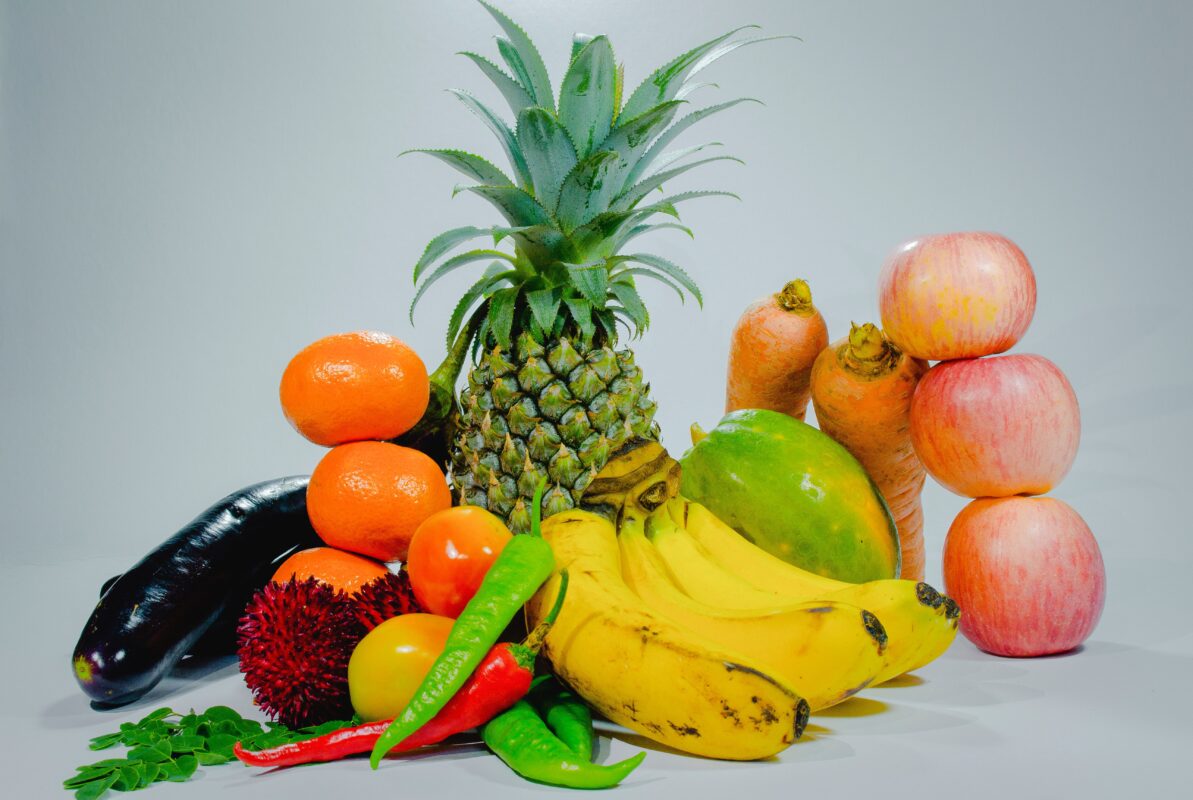
Introduction When people first hear that Taoist tradition connects food to the Five Elements, they often expect a rigid list of foods to eat and foods to avoid. What they usually find instead is something more flexible: a framework for noticing balance, not a strict set of dietary rules. The Taoist approach to diet is […]
Introduction When people first try to apply Feng Shui to their home, they often start with symbolism — placing a specific object in a specific corner, hoping for a specific result. What’s frequently skipped is the very first step in compass-based Feng Shui: determining which direction the home faces. However, measuring a house’s direction is […]
Introduction When people first hear about Chinese face reading, they often picture something close to fortune-telling — a practitioner looking at someone’s face and immediately predicting their future. While this is certainly part of how Mian Xiang (面相) has been understood, the tradition is broader and more complex than a simple form of fortune-telling. Mian […]
Introduction When people think about Feng Shui in the home, they often focus on furniture, entrances, colors, directions, or symbolic objects. Yet there is another important part of the household environment that cannot be treated like furniture or decoration: the living beings who share the space with us. Pets are constantly moving, breathing, resting, eating, […]
Introduction When we think about the human body today, we often imagine a collection of separate systems. The heart pumps blood, the lungs bring in oxygen, the stomach digests food, and the brain coordinates everything else. Modern medicine has achieved remarkable advances by studying each organ individually, helping us better understand how the body functions […]
In Taoist tradition, blessing phrases act as a bridge between humans and the spiritual realm. More importantly, they help protect both physical and spiritual well-being. They also reflect core ideas of Taoism, as explained in Wikipedia.At the same time, these blessings carry thousands of years of wisdom and faith. In fact, they are not just […]
Introduction When people think of Taoism and Taoist priests, two very different impressions often come to mind. Some see them as recluses who have withdrawn from the world, completely detached from human affairs. Others reduce Taoism to fortune-telling, feng shui, and superstition. However, both views miss the deeper truth of Taoist philosophy. Unlike a set […]
Introduction The year 2026 marks the Bing Wu (丙午) Year of the Horse, a combination of the Heavenly Stem Bing (丙) and the Earthly Branch Wu (午). In traditional Chinese calendrical thought, both are associated with the Fire element, which is why 2026 is commonly described as a Fire Horse year or a year with […]
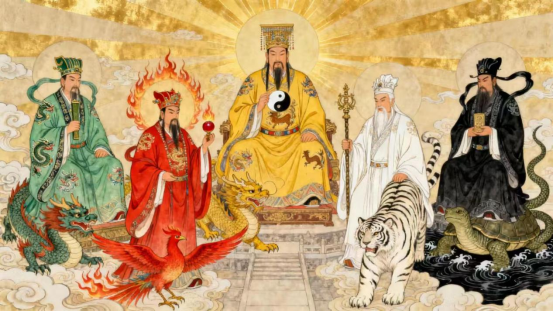
The Five Elders of the Five Directions are among the highest celestial deities in the Taoist pantheon. They govern the five cosmic directions—East, South, Center, West, and North—and embody the origin and transformation of the Five Elements. Their belief system combines ancient Chinese cosmology, yin-yang philosophy, celestial worship, and Taoist theology, forming one of the […]