The Taoist path of self-cultivation is centered on the idea of aligning oneself with the Dao (Tao) through the harmonious refinement of both body and spirit. Rather than separating physical health from spiritual growth, Taoism views them as inseparable aspects of the same journey. Through meditation, inner alchemy, moral discipline, and harmony with nature, practitioners seek longevity, inner peace, and ultimately unity with the Dao.
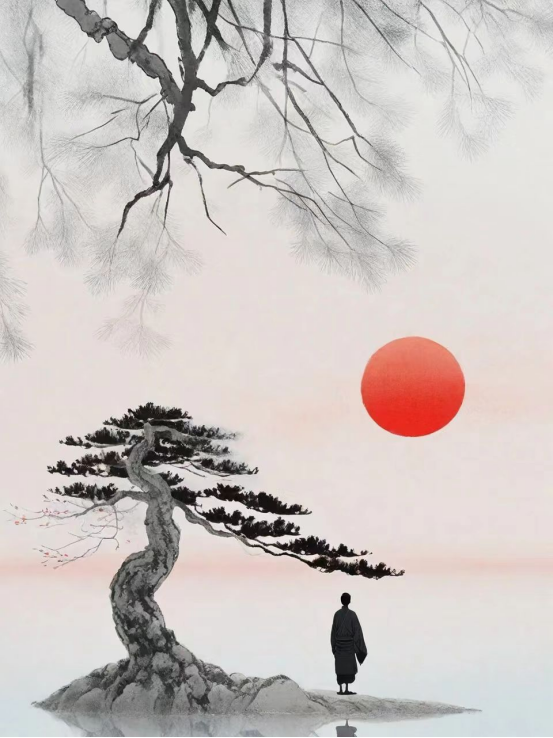
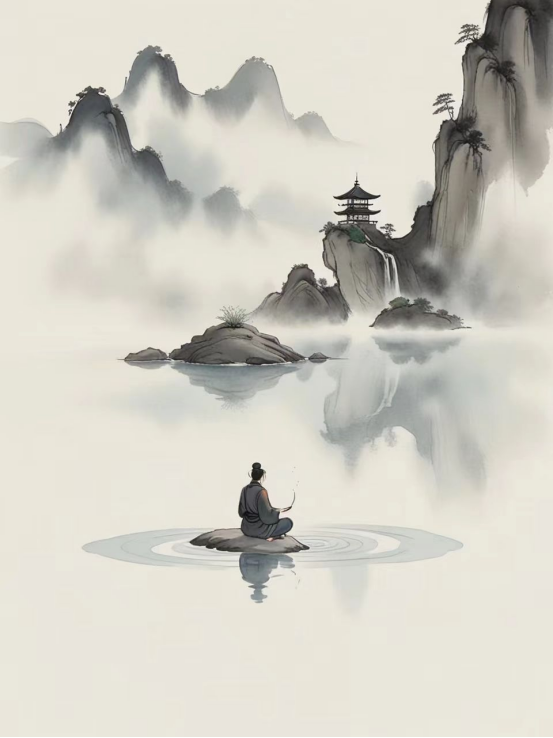
Two supporting illustrations can greatly enhance this article, such as scenes of Taoist meditation in the mountains and symbolic depictions of yin-yang energy cultivation.
The Core Principle of Taoist Self-Cultivation
The foundation of Taoist cultivation is the principle of dual cultivation of life and spirit. In Taoist philosophy:
- Life (Ming) refers to the body, vitality, and qi.
- Spirit (Xing) refers to consciousness, morality, and inner nature.
Taoism teaches that spiritual enlightenment cannot be achieved without physical harmony, while bodily cultivation without moral refinement is incomplete. This concept is closely connected to the Five Elements theory in Taoism, where the human body mirrors the energetic structure of the cosmos.
Another central concept is the belief in the unity of heaven and humanity. Taoists regard the human body as a miniature universe that resonates with cosmic yin-yang cycles and seasonal changes. Cultivation therefore requires living in accordance with natural rhythms.
Purifying the Mind Through Inner Stillness
Meditation and Tranquility
One of the most important Taoist practices is calming the mind through meditation and stillness. Practitioners seek to eliminate emotional disturbances, excessive desires, and mental distractions in order to return to their original state of clarity.
Classical Taoist meditation methods include:
- Quiet sitting meditation
- Breath observation
- Visualization practices
- “Guarding the One” concentration techniques
These practices are deeply connected to the Principles of spiritual practice, emphasizing emptiness, stillness, and inner awareness.
Taoism teaches that when the heart becomes quiet, qi flows naturally and the spirit becomes stable.
Moral Discipline and Virtuous Conduct
Taoist cultivation is never limited to meditation alone. Ethical conduct is considered essential for spiritual progress. Taoists are encouraged to cultivate virtues such as:
- Compassion
- Humility
- Sincerity
- Patience
- Filial respect
Traditional Taoist communities also follow various precepts and codes of conduct found in Taoist daily precepts, including avoiding violence, greed, deception, and harmful behavior.
The accumulation of virtue is believed to purify karmic burdens and strengthen spiritual merit.
Internal Alchemy and Energy Cultivation
The Practice of Inner Alchemy
Internal alchemy (Neidan) is one of the most advanced systems of Taoist cultivation. It treats the human body as a sacred furnace in which essence, qi, and spirit are refined step by step.
The traditional stages include:
- Refining essence into qi
- Refining qi into spirit
- Refining spirit into emptiness
The ultimate goal is to merge the individual spirit with the Dao itself.
Unlike external alchemy, which focused on mineral elixirs, internal alchemy emphasizes inner transformation through meditation, breathing, and energetic circulation.
Breathing Exercises and Qi Regulation
Taoist cultivation also includes physical practices designed to regulate qi and strengthen the body. Common methods include:
- Breathing exercises
- Daoyin stretching
- Eight Brocades (Baduanjin)
- Early Tai Chi practices
- Meridian circulation training
These systems form an important part of the Taoist way of keeping in good health, combining physical movement with energetic awareness to maintain vitality and prevent illness.
Taoism teaches that smooth qi circulation supports both health and spiritual clarity.
Harmony Between Yin and Yang
A central theme in Taoist cultivation is balancing opposing forces within the body and mind:
- Activity and stillness
- Yin and yang
- Water and fire
- Emotion and tranquility
The balancing of these energies is considered essential for both physical longevity and spiritual awakening. Taoist internal alchemy often uses symbolic language involving the union of water and fire to describe the transformation of consciousness.
The Stages of Taoist Cultivation
Taoist self-cultivation can generally be divided into three levels:
1. Physical Wellness
At the basic level, cultivation improves health, strengthens the body, and prolongs life.
2. Mental and Emotional Clarity
At the intermediate stage, practitioners cultivate inner peace, emotional stability, and moral refinement.
3. Spiritual Union with the Dao
At the highest level, the practitioner transcends ordinary limitations and achieves unity with the Dao through complete harmony of body, energy, and spirit.
The Spiritual Meaning of Taoist Self-Cultivation
Taoist cultivation is ultimately a path toward harmony rather than conquest. Instead of forcing transformation, Taoism encourages natural refinement through simplicity, balance, and alignment with the rhythms of the universe.
Its teachings continue to influence meditation, martial arts, health practices, and spiritual philosophy throughout the world today.
Related Posts

How Taoism Views Being Single: Finding Peace in Solitude
Introduction In many modern societies, being single is often viewed as a temporary condition that [...]
Jul

How to Stop Overthinking: A Taoist Guide to Quieting the Mind
Introduction Why Do We Overthink? Many people struggle with overthinking. A past mistake keeps replaying [...]
Jun
Taoism and Anxiety: Finding Inner Peace Through the Wisdom of Tao
Introduction Why Do Modern People Feel Anxious in a World Full of Comfort? Anxiety has [...]
Jul