Wu Wei is a central idea in Taoist philosophy, often translated as “non-action” or explained as action without unnecessary forcing. In everyday life, it asks how to respond to a situation without trying to control every part of it. “Not trying” here does not mean abandoning responsibility, refusing to learn, or waiting for everything to […]

Category Archives: Taoist Philosophy & Wisdom
Practical Taoist philosophy for modern life, including Wu Wei, Yin-Yang balance, the nature of the Tao, and timeless wisdom on emotional well-being, inner peace, and living in harmony with the natural flow.
Introduction Why Do We Suffer More Than We Need To? There are moments in life when everything seems to become heavier than it should be. A difficult situation appears, a relationship changes, a plan fails, or we experience a period of loneliness and uncertainty. In these moments, many people feel as though they are standing […]
Introduction Every day, countless things have the power to disturb our emotions. A careless remark from a stranger, criticism from a colleague, an unanswered message, a failed opportunity, or even someone else’s success can instantly change the way we feel. Modern life often encourages us to believe that peace depends on controlling these external circumstances. […]
Introduction Comparison has become so deeply woven into modern life that many of us hardly notice it anymore. We compare our careers, relationships, appearance, income, achievements, and even how quickly our lives seem to be moving. Social media only amplifies this habit, making it easy to believe that everyone else is somehow ahead of us. […]
Introduction Why Do Modern People Feel Anxious in a World Full of Comfort? Anxiety has always been a natural part of human life. It helps us recognize uncertainty, prepare for challenges, and respond to changes around us. However, in today’s world, many people experience anxiety even with greater comfort, safety, and convenience than ever before. […]
Introduction When people first encounter Taoist taboos, they often assume these are arbitrary superstitions — a list of things to avoid simply because tradition says so. This impression, however, misses the deeper logic behind these customs. In Taoist culture, taboos are not arbitrary restrictions. Instead, they reflect deeper principles of harmony between Qi and Yin-Yang, […]
In Taoist tradition, before a soul is born into this world, it must pass through a process in the spiritual realm. Think of it as taking out a “loan” from a cosmic system before beginning life on Earth. The Origin of Life Debt in Taoism According to the Taoist scripture Taishang Laojun Shuo Wudou Jinzhang […]
The Taoist path of self-cultivation is centered on the idea of aligning oneself with the Dao (Tao) through the harmonious refinement of both body and spirit. Rather than separating physical health from spiritual growth, Taoism views them as inseparable aspects of the same journey. Through meditation, inner alchemy, moral discipline, and harmony with nature, practitioners […]
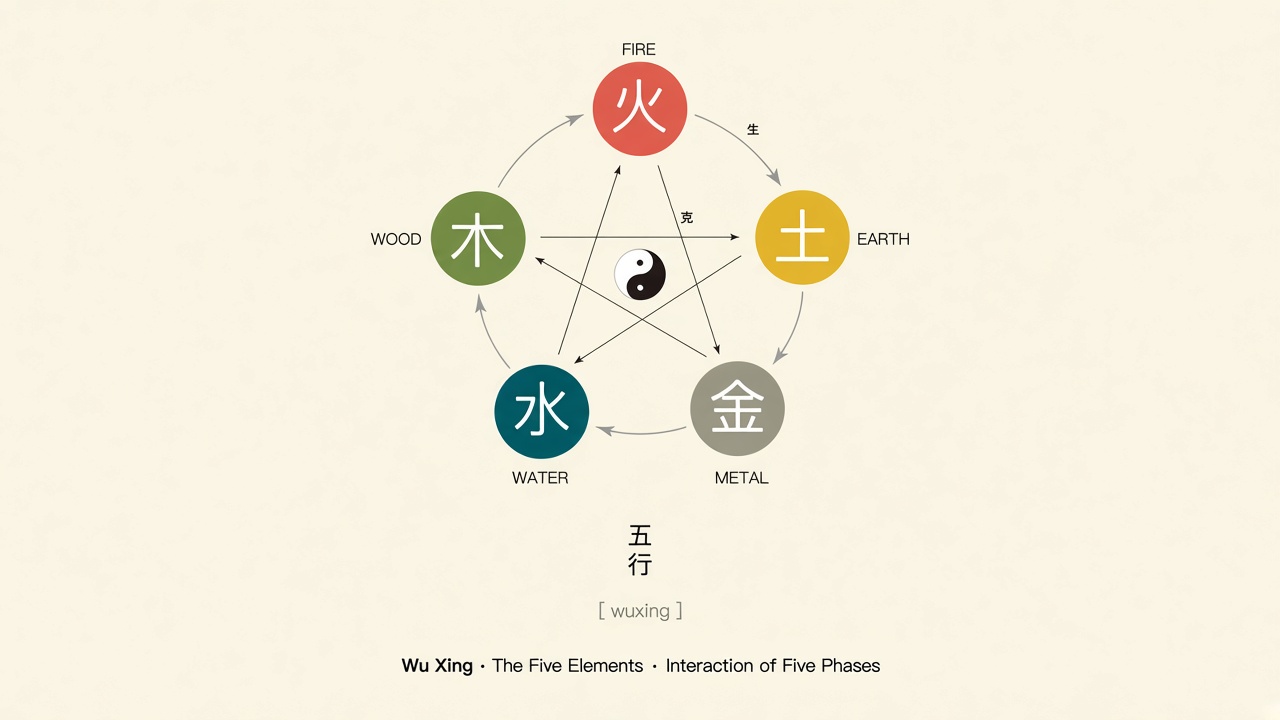
Introduction When people first encounter the Five Elements in Chinese philosophy, they often assume Wood, Fire, Earth, Metal, and Water refer to literal physical substances — much like the classical elements of ancient Greek thought. However, the Five Elements Theory represents something more dynamic than a list of materials. Rather than describing five literal substances, […]
Governing by Non-Interference in Taoist Philosophy The Taoist principle of governing by non-interference, often associated with the concept of Wu Wei, is one of the most important political and philosophical teachings in Taoism. Originating from the ideas of Laozi in the Tao Te Ching, it advocates governing in accordance with natural laws rather than through […]
- 1
- 2