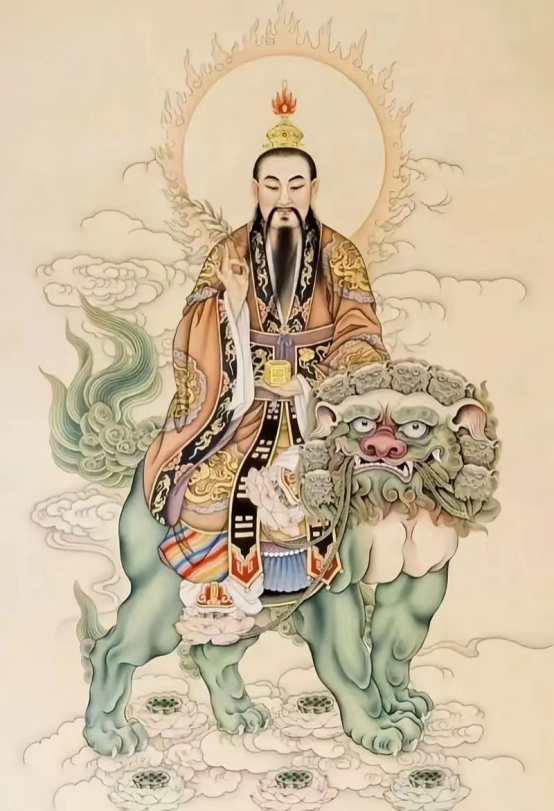
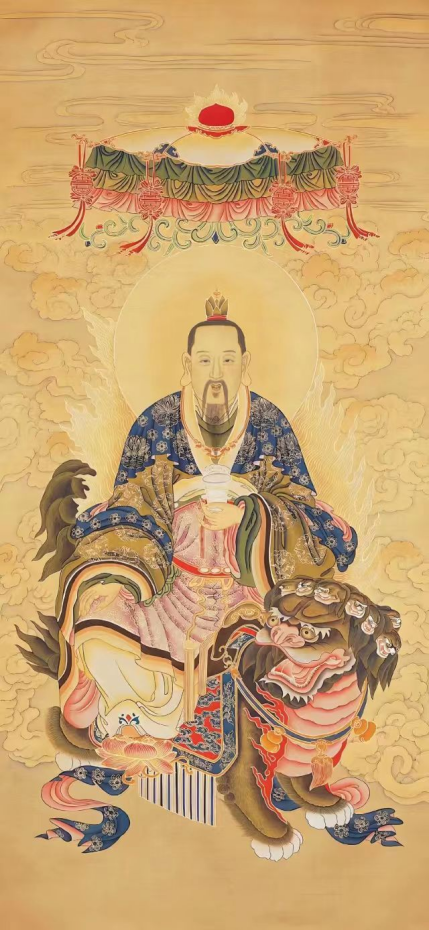
The Supreme Lord Taiyi Who Saves the Suffering, also known as the Great Emperor of the Eastern Extremity and Green Florescence, is one of the most compassionate deities in Taoism. He is revered as the supreme savior who rescues both the living and the dead from suffering, disasters, fear, illness, and the torments of the underworld.
Within Taoist belief, he governs salvation, redemption, mercy, and spiritual transcendence. Taoists believe that as long as people sincerely recite his sacred title, he can hear their cries and respond through countless manifestations.
Origins and Sacred Titles
Meaning of “Taiyi”
The title “Taiyi” refers to the Primordial Unity, representing the origin of the cosmos and the supreme Dao before the separation of heaven and earth. In Taoist cosmology, Taiyi symbolizes the highest state of universal harmony and divine order.
Meaning of “Saves the Suffering”
The phrase “Saves the Suffering” highlights his most important divine role. Unlike many celestial rulers who govern laws or cosmic systems, Taiyi focuses directly on compassion and salvation.
Great Emperor of the Eastern Extremity
He is believed to reside in the Eastern Land of Green Florescence Eternal Bliss, a sacred realm associated with life, renewal, hope, and rising yang energy. The symbolism of the East also connects him to Taoist teachings concerning rebirth and spiritual awakening.
The cosmological significance of the eastern direction is also reflected in the sacred systems described in The Five Elders of the Five Directions.
Core Functions of Taiyi Jiuku Tianzun
Saving the Living
Taoist believers pray to Taiyi Jiuku Tianzun during illness, disasters, emotional suffering, and dangerous situations. Modern Taoist organizations and scriptures continue to describe him as one of the most compassionate salvation deities in the Taoist heavenly system.
Taoist scriptures state that sincere invocation of his sacred name can bring spiritual protection and relief from hardship.
He is especially associated with rescuing beings from fear and hopelessness. For this reason, his worship became widespread among ordinary people seeking comfort and divine assistance.
Redeeming the Dead
One of his most important roles involves saving souls trapped within the underworld. Taoists believe he possesses the authority to open the gates of hell and guide departed spirits toward transcendence.
During Taoist salvation rituals for the deceased, priests frequently invoke his sacred name to help souls escape suffering and enter peaceful rebirth.
The Taoist understanding of underworld redemption and spiritual judgment also appears within Hades Great Emperor, which explains the higher administration of the Taoist netherworld.
Infinite Manifestations
Taoist scriptures describe Taiyi Jiuku Tianzun as a deity capable of taking limitless forms. He may appear as an emperor, immortal, Taoist priest, woman, child, or even an ordinary traveler in order to save suffering beings.
This doctrine reflects the Taoist belief that divine compassion is not restricted to a single appearance or identity. Instead, salvation manifests according to the needs of each individual being.
Modern reinterpretations of Taoist mythology and immortal traditions also compare Taiyi-related figures with other celestial saviors found in later literary and popular culture adaptations.
The Taoist concept of celestial transformation and divine manifestation also shares similarities with traditions surrounding Xiwangmu, whose evolving sacred image became deeply influential in Chinese religious culture.
Lord of the Netherworld
Taiyi Jiuku Tianzun is also regarded as one of the supreme rulers connected to the underworld. He possesses authority over redemption, forgiveness, and spiritual liberation.
Unlike underworld judges who focus primarily on punishment, Taiyi represents mercy and final hope for suffering souls. Taoist rituals often portray him opening hell gates and illuminating darkness with divine light.
His role within Taoist salvation rites became one of the central foundations of funerary ceremonies and ghost festivals throughout Chinese history.
Relationship with the Taoist Pantheon
Within Taoism, Taiyi Jiuku Tianzun is often associated with the Six Imperial Sovereigns who assist the celestial administration of the universe.
He is commonly paired with the deity governing longevity and life, creating a symbolic balance between life, death, salvation, and rebirth.
This balance between cosmic authority and compassion reflects broader Taoist concepts regarding harmony between heaven, humanity, and spiritual transformation.
The celestial hierarchy governing the universe is also reflected in Jade Emperor, which explains the supreme ruler of the Taoist heavenly court.
Comparison with Avalokiteśvara
Because of his immense compassion and willingness to answer prayers, Taiyi Jiuku Tianzun is often compared with the Buddhist Bodhisattva Avalokiteśvara.
Both figures are believed to hear the cries of suffering beings and respond with mercy. Over centuries of cultural interaction, Taoist and Buddhist traditions influenced each other deeply within Chinese folk religion.
As a result, many ordinary believers came to view Taiyi Jiuku Tianzun as one of the most approachable and compassionate deities in Taoism.
Cultural Influence and Religious Importance
The worship of Taiyi Jiuku Tianzun became especially important in Taoist salvation rituals, funerary ceremonies, and festivals dedicated to wandering spirits.
His image symbolizes compassion, hope, redemption, and spiritual liberation. Taoist believers continue to pray to him for protection from disasters, relief from suffering, and peace for deceased family members.
In Taoist culture, he represents the belief that divine mercy remains available to all beings regardless of their suffering or past mistakes.
Comparison with the Buddhist Bodhisattva Avalokiteśvara
In terms of the divine function of “compassionate salvation from suffering”, the Supreme Venerable Sovereign Taiyi Who Saves the Suffering is often compared to the Buddhist Bodhisattva Avalokiteśvara. Both share the traits of “hearing the cries of the afflicted and saving them” and manifesting countless incarnations, making them the most approachable and timely saviors in the hearts of the common people. This similarity has also promoted the integration and resonance between the two figures in folk faith.
In summary, the Supreme Venerable Sovereign Taiyi Who Saves the Suffering embodies the profoundest compassion in Taoist belief. He is not only the “savior of the afterlife” who governs the netherworld and delivers departed souls, but also the “protector of the mortal realm” who answers calls for help at any moment and relieves suffering in the present life. The core of faith in him lies in bestowing endless hope and ultimate solace upon all beings—whether living or dead.
Related Posts
The Nine Chen Lords of the Divine Firmament
The Nine Chen Lords of the Divine Firmament in Chinese is 神霄九宸大帝(shén xiāo jiǔ chén [...]
Dec
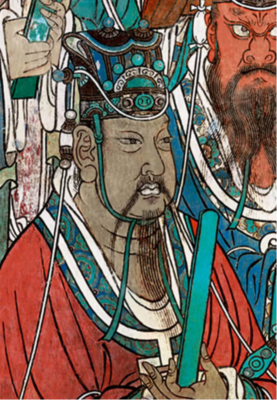
The Ten Divine True Lords in Taoism
Overview of the Ten Divine True Lords The Ten Divine True Lords—also known as the [...]
Dec
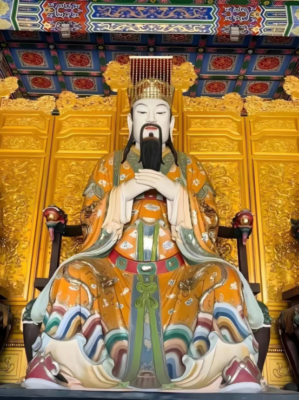
The Jade Emperor in Taoism: Supreme Ruler of Heaven and Cosmic Order
The Jade Emperor, whose full honorific title is “The Supreme Sovereign of the Heavenly Golden [...]
Dec