
The Four Great Heavenly Masters are four patriarchal True Lords revered as “Heavenly Masters” in Taoist belief. They made foundational contributions to the establishment and development of Taoism and are regarded as both religious founders and celestial officials who assist the Heavenly Court in maintaining cosmic order.
The Four Heavenly Masters usually refer to Zhang Daoling, Ge Xuan, Xu Xun, and Sa Shoujian. Together, they represent the transmission of Taoist scriptures, rituals, morality, thunder magic, and spiritual authority.
The Role of the Four Heavenly Masters in Taoism
The Four Heavenly Masters occupy a unique position between mortal Taoist patriarchs and high celestial immortals. They are honored not only as spiritual teachers, but also as divine ministers who help govern heavenly law.
Their traditions shaped many important branches of Taoism, including ritual systems, talismanic practices, exorcism rites, and thunder magic. In many Taoist temples, they are worshipped together as protectors of orthodoxy and transmitters of sacred teachings.
People closely link these heavenly masters’ authority to the larger Taoist celestial hierarchy, especially traditions surrounding the ruler of the Divine Thunder Department.
Zhang Daoling – Founder of Orthodox Unity Taoism
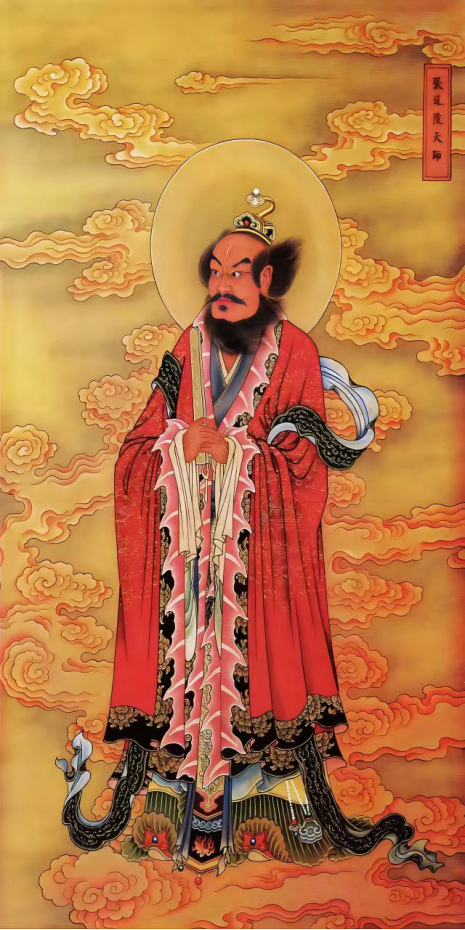
Historical Identity
Zhang Daoling, originally named Zhang Ling, lived during the Eastern Han Dynasty and is regarded as the founder of Zhengyi Dao (Orthodox Unity Taoism), also known as Heavenly Master Taoism.
Contributions and Divine Functions
According to Taoist tradition, Zhang Daoling received sacred revelations from Taishang Laojun at Heming Mountain in Sichuan. He established organized Taoist communities, ritual systems, commandments, and religious governance structures.
He was also famous for subduing demons and evil spirits. Legends describe him defeating powerful demon kings and establishing the “Twenty-Four Parishes,” which became an important organizational framework for early Taoism.
Today, the hereditary lineage of Heavenly Masters at Dragon and Tiger Mountain traces its origins directly back to Zhang Daoling.
Heavenly Status
In the celestial hierarchy, Zhang Daoling is honored as a protector of Taoist orthodoxy and a supervisor of spiritual affairs in the human world.
Ge Xuan – Patriarch of the Lingbao Tradition
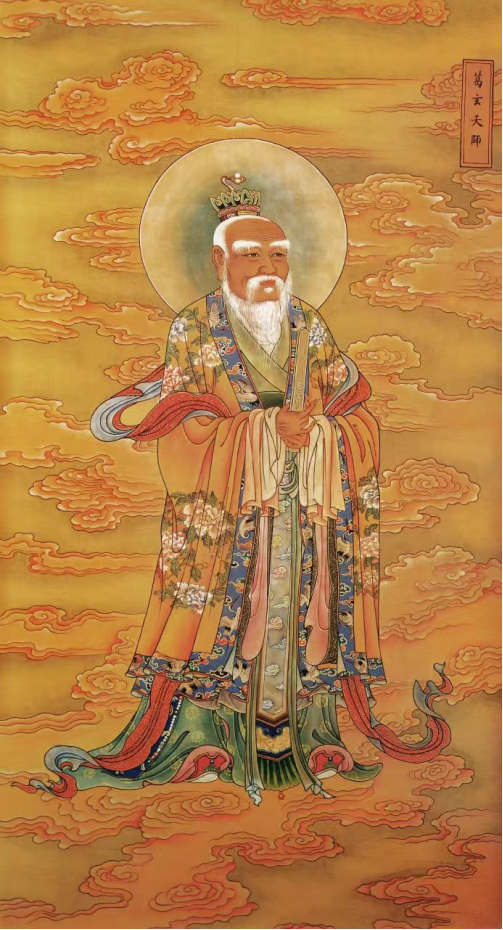
Historical Identity
Ge Xuan was a Taoist master during the Three Kingdoms and Eastern Jin periods and is regarded as one of the foundational patriarchs of the Lingbao tradition.
Scripture Transmission and Ritual Tradition
Ge Xuan is remembered for transmitting Lingbao scriptures and refining Taoist ritual practices. His teachings emphasized ceremonial worship, salvation rites, and the sacred use of talismans.
Unlike earlier Taoist traditions that focused heavily on magical arts, the Lingbao school introduced a broader religious system centered on ritual liturgy and universal salvation.
People can still see Ge Xuan’s influence in many Taoist rituals practiced today.
Celestial Position
He is believed to preside over the transmission of scriptures and ritual registers in Heaven, helping maintain the sacred lineage of Taoist teachings.
Xu Xun – Master of Water Control and Moral Cultivation
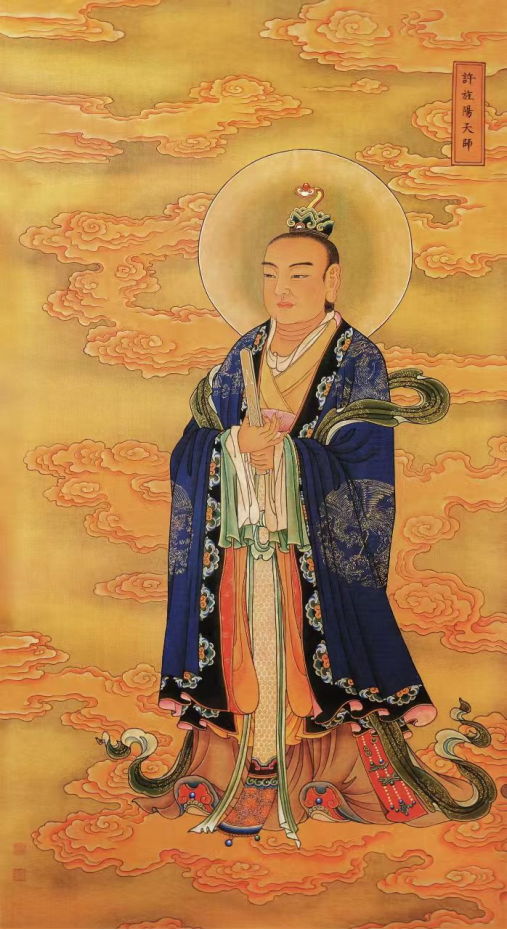
Historical Identity
Xu Xun was a famous Taoist priest of the Jin Dynasty and the founding patriarch of Jingming Dao, a Taoist movement emphasizing loyalty, filial piety, and moral cultivation.
Subduing Flood Dragons
One of Xu Xun’s most famous legends describes him defeating dangerous flood dragons and controlling destructive waters in Jiangxi Province to protect local communities.
Because of these stories, he became associated with protection against floods, evil spirits, and natural disasters.
His teachings emphasized that spiritual cultivation must begin with moral conduct, combining Confucian ethics with Taoist practice.
Influence in Taoist Culture
Xu Xun’s ideals strongly influenced later Taoist traditions focused on public morality and social harmony. His legacy also appears in many regional folk beliefs throughout southern China.
Some Taoist traditions connect his spiritual authority with ritual systems later developed within the Five Marshals of the Thunder Ministry, especially in ceremonies related to protection and demon subjugation.
Sa Shoujian – Master of Thunder Magic
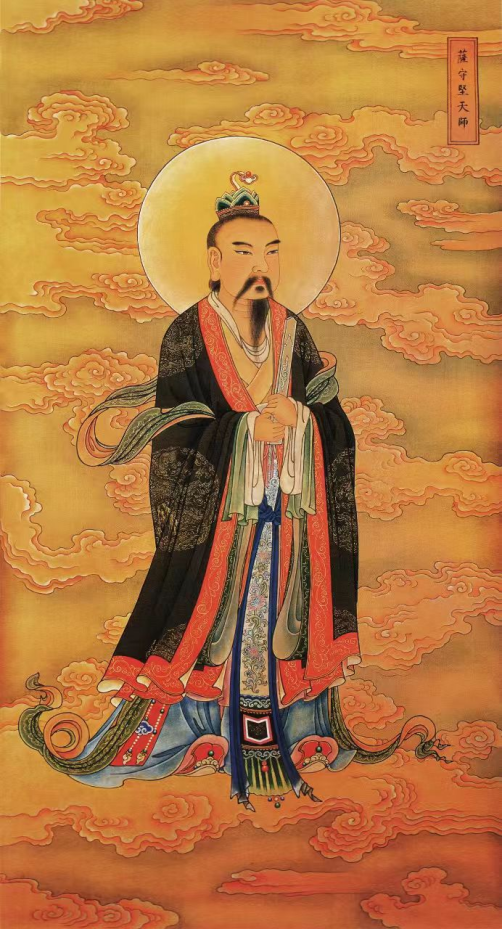
Historical Identity
Sa Shoujian was an influential Taoist priest of the Song Dynasty and a major representative of the Shenxiao (Divine Firmament) tradition.
Thunder Magic and Justice
Sa Shoujian studied advanced thunder rituals under famous masters of Taoist thunder magic and became renowned for his strict sense of justice and spiritual power.
Taoists venerate Sa Shoujian as a heavenly marshal in charge of thunder ceremonies, guardian gods and celestial scrutiny of virtues and vices.
Legends describe him subduing evil gods and transforming hostile spirits into righteous protectors. His connection with Taoist thunder traditions makes him an important figure alongside deities such as the True Lord of the Thunderbolt, Supreme Commander of the Thunder Ministry.
Heavenly Position
Taoists venerate Sa Shoujian as a heavenly marshal in charge of thunder ceremonies, guardian gods and celestial scrutiny of virtues and vices.
Cultural Significance of the Four Heavenly Masters
The Four Heavenly Masters symbolize four major dimensions of Taoist tradition:
- Zhang Daoling represents religious organization and orthodoxy
- Ge Xuan represents scripture transmission and ritual heritage
- Xu Xun represents morality and salvation
- Sa Shoujian represents thunder magic and celestial justice
Together, they form a complete representation of Taoism’s sacred structure, combining doctrine, ritual, ethics, and divine authority.
Taoist believers commonly venerate the Four Heavenly Masters side by side in temples and ceremonies as guardians of the Dao and liaisons between heaven and mortals.
Related Posts
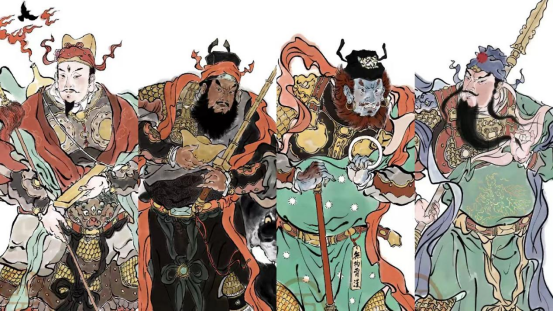
The Four Great Marshals in Taoism | Celestial Generals of Thunder, Wealth and Exorcism
The Martial Protectors of the Taoist Heavenly Armies The Four Great Marshals are among the [...]
Dec
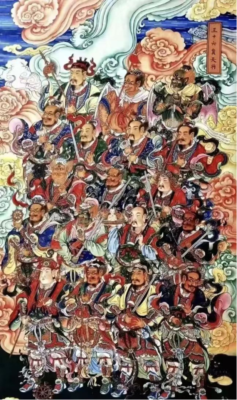
The Thirty-Six Heavenly Generals in Taoism: Guardians of Thunder, Exorcism, and Celestial Justice
The Thirty-Six Heavenly Generals are one of the most important groups of martial guardian deities [...]
Dec
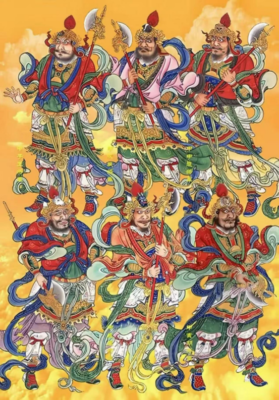
The Six Ding and Six Jia Generals in Taoism | Guardian Deities of Divine Protection
Introduction The Six Ding and Six Jia Generals are among the most important guardian deities [...]
Dec