

Introduction
For people born in the Year of the Horse, 2026 carries a particularly significant meaning. It is not only the Year of the Horse itself, but also a year traditionally associated with both Zhi Tai Sui (值太岁) and Xing Tai Sui (刑太岁) for those born under the Horse sign.
As covered in our guides to the Rat’s direct clash, Ox’s hidden harm, and Rabbit’s break relationship, each of the other zodiac signs affected by 2026 has a different relationship with the year’s ruling Tai Sui. The Horse is different because its own zodiac branch, Wu (午), meets the same Wu branch again.
This creates what traditional Chinese astrology describes as Wu-Wu self-punishment (Wu Wu Zi Xing, 午午自刑). Rather than representing direct opposition from another zodiac sign, self-punishment is traditionally interpreted as a process in which a person’s own tendencies become more pronounced.
That makes 2026 less a year of simply “good” or “bad” fortune and more a year of heightened self-awareness, stronger impulses, and greater personal responsibility for how energy is directed.
This guide takes a closer look at what 2026 means for the Horse, examining three key areas:
- the traditional characteristics associated with the Horse sign
- why 2026 brings both Zhi Tai Sui and Wu-Wu self-punishment
- practical ways to navigate an unusually energetic year with greater awareness and balance
Who Is the Horse? A Quick Introduction
The Horse holds the seventh position in the Chinese zodiac cycle, corresponding to the earthly branch Wu (午) and traditionally associated with the hours of 11:00 a.m. to 1:00 p.m., when the sun reaches its strongest point.
According to Chinese New Year.net’s overview of the Horse sign, people born under the Horse are traditionally associated with qualities such as confidence, independence, energy, and sociability. They are often described as people who dislike excessive restriction and prefer having the freedom to choose their own direction.
The Horse is also traditionally associated with the Fire element. Travel China Guide describes the Horse as a sign connected with enthusiasm, independence, passion, and vitality.
These traditional characteristics become especially relevant in 2026 because the year itself is a Fire Horse year. The Horse therefore encounters an unusually strong reflection of its own symbolic qualities.
This does not automatically mean that 2026 will be negative. Instead, it suggests that the Horse’s existing strengths and weaknesses may become more noticeable, making self-management particularly important.
A Double Influence: Zhi Tai Sui and Xing Tai Sui
Every zodiac sign eventually experiences Zhi Tai Sui (值太岁), traditionally understood as “meeting Tai Sui,” when the zodiac animal of the year matches one’s own birth animal.
For Horses, this occurs in 2026.
A person’s own zodiac year is traditionally considered an especially significant period within the twelve-year cycle. It is often approached as a year requiring greater awareness and caution rather than automatically being interpreted as a year of misfortune.
What makes 2026 more distinctive is the additional concept of Xing Tai Sui (刑太岁), or self-punishment.
The Horse corresponds to the earthly branch Wu (午). When the annual branch is also Wu, the same branch meets itself, producing the traditional relationship known as Wu-Wu self-punishment (Wu Wu Zi Xing, 午午自刑).
In traditional Chinese astrology, the four branches associated with self-punishment are:
- Chen (Dragon)
- Wu (Horse)
- You (Rooster)
- Hai (Pig)
Each can therefore encounter this particular form of self-punishment during its own zodiac year.
For the Horse, 2026 represents the convergence of Zhi Tai Sui and Wu-Wu self-punishment, making it a particularly important year for personal reflection and deliberate decision-making.
| Tai Sui Relationship | Chinese Term | 2026 Zodiac | Traditional Theme |
|---|---|---|---|
| Direct Clash | Chong 太岁 | Rat | Direct opposition and disruption |
| Harm | Hai 太岁 | Ox | Hidden friction and misunderstandings |
| Break | Po 太岁 | Rabbit | Disruption to plans and momentum |
| Own Year | Zhi Tai Sui / Ben Ming Nian | Horse | Heightened personal influence |
| Self-Punishment | Zi Xing 自刑 | Horse | Internal pressure and amplification |
What Does Wu-Wu Self-Punishment Actually Mean?
Self-punishment is different from the other commonly discussed Tai Sui relationships.
A direct clash (Chong) describes opposition between two branches. A harm (Hai) relationship is traditionally associated with quieter interpersonal friction, while a break (Po) is associated with disruption or weakening of established relationships and plans.
Self-punishment is different because the relationship occurs within the same branch.
Traditional interpretation therefore tends to focus less on external opposition and more on a person’s own reactions, habits, impulses, and decisions.
For the Horse, this can symbolically mean:
- independence becoming excessive stubbornness
- confidence becoming overconfidence
- enthusiasm becoming impatience
- decisiveness becoming impulsiveness
- strong energy becoming restlessness
- the desire for freedom creating unnecessary resistance to cooperation
The important point is that these are traditional symbolic interpretations, not predictions that every Horse will experience these outcomes.
The value of understanding self-punishment is therefore less about expecting something bad to happen and more about recognizing which personal tendencies may deserve additional attention.
Why 2026 Is Especially Significant for Horses
2026 is a Fire Horse year, meaning the annual heavenly stem and earthly branch reinforce the Fire symbolism associated with the year.
The Horse itself is traditionally associated with Fire, while the heavenly stem of 2026 is Bing (丙), traditionally classified as Yang Fire.
This creates a strong Fire symbolism around the year.
For Horses, this can be interpreted as an amplification of qualities already associated with the sign: movement, independence, enthusiasm, confidence, and a desire to act.
That amplification can work in either direction.
A Horse who channels this energy into focused goals, disciplined work, creativity, or meaningful personal development may find the year highly productive.
A Horse who acts impulsively, takes unnecessary risks, or refuses to slow down may instead find the same energy exhausting or disruptive.
This is why the traditional advice surrounding 2026 repeatedly emphasizes balance and self-awareness rather than fear.
What This Means in Practice for 2026
Traditional interpretations of self-punishment years generally focus on internal tendencies rather than unavoidable external events.
For Horses, four areas are particularly useful to consider.
Career and Work
The Horse’s natural independence can be a major advantage in 2026.
Greater confidence may encourage Horses to take initiative, pursue new projects, accept leadership responsibilities, or finally act on ideas that have been delayed.
However, the same independence can become a weakness if it leads to refusing useful advice, changing direction too quickly, or taking on too many projects simultaneously.
A useful approach in 2026 is therefore to act decisively, but review important decisions before committing fully.
Instead of asking only, “Can I do this?”, it can be helpful to ask:
“Is this the right time, and have I considered the consequences?”
This small pause can help turn impulsive Horse energy into purposeful momentum.
Finances
Traditional Tai Sui guidance often encourages greater caution with financial decisions during significant zodiac years.
For Horses, the main concern is less about assuming financial loss and more about avoiding decisions driven by excitement, impatience, or the desire for immediate results.
Large purchases, speculative investments, or major financial commitments may benefit from additional research and a cooling-off period.
A practical principle for 2026 is simple:
Do not confuse confidence with certainty.
The Horse’s natural willingness to move forward can be valuable, but financial decisions are often strongest when enthusiasm is combined with careful evaluation.
Relationships
The Horse’s strong need for independence can become particularly noticeable during a self-punishment year.
Partners, family members, or colleagues may sometimes interpret a desire for freedom as emotional distance or unwillingness to cooperate.
For this reason, communication becomes especially important.
Rather than withdrawing when feeling restricted, Horses may benefit from clearly explaining what they need while also making space for other people’s perspectives.
In traditional terms, the challenge is not to suppress the Horse’s independence, but to balance independence with cooperation.
Energy, Rest, and Daily Rhythm
The Horse is traditionally associated with movement and vitality, making it easy for people born under this sign to keep moving even when they need a break.
In a year symbolically associated with intensified Fire and self-punishment, maintaining a sustainable rhythm becomes particularly valuable.
Traditional wellness advice would favor:
- regular rest
- avoiding unnecessary overexertion
- maintaining consistent daily routines
- allowing time for reflection
- avoiding repeatedly pushing through exhaustion
This should be understood as general lifestyle guidance rather than medical advice.
Traditional Remedies for Horses in 2026
Traditional practice offers several approaches for people navigating their own Tai Sui year, extending the general guidance covered in our article on worshipping and appeasing Tai Sui.
Wearing Red
Wearing red is one of the best-known customs associated with Tai Sui years.
Red is traditionally regarded as an auspicious and protective color in Chinese culture, and red bracelets, cords, clothing, and other symbolic objects are commonly used during one’s zodiac year.
Wearing a Consecrated Amulet
Some practitioners choose to carry or wear a consecrated Taoist amulet during a Tai Sui year.
Within traditional practice, such objects are understood as ritual or symbolic forms of protection, rather than guarantees against specific events.
For people who follow these traditions, the amulet can also serve as a physical reminder to approach the year with greater awareness and respect.
Visiting a Tai Sui Temple
Visiting a temple to pay respects to Tai Sui is another traditional practice associated with one’s zodiac year.
Those who follow this tradition may visit around the beginning of the lunar year to offer prayers and seek blessings or protection.
Practicing Deliberate Patience
For the Horse specifically, this may be one of the most useful practical responses to the symbolism of self-punishment.
Before making an important decision, taking additional time to consider the consequences can help prevent temporary excitement from becoming a long-term problem.
Creating Space for Rest
Because the Horse is traditionally associated with strong movement and Fire energy, deliberately scheduling rest can be especially useful.
The goal is not to suppress the Horse’s energy, but to prevent continuous activity from turning into exhaustion.
Turning Amplified Energy Into an Advantage
Self-punishment does not have to be interpreted as purely negative.
In fact, the idea of amplification provides a more balanced way of understanding the Horse’s 2026.
The same confidence that can become overconfidence can also become leadership.
The same independence that can create friction can also produce innovation.
The same restlessness that can make it difficult to slow down can also provide motivation to pursue long-delayed goals.
The key is therefore not to eliminate the Horse’s natural characteristics, but to channel them deliberately.
For Horses, 2026 may be particularly productive when energy is combined with structure:
Drive + patience = momentum
Confidence + reflection = better decisions
Independence + cooperation = stronger relationships
Energy + rest = sustainable progress
This approach turns the traditional warning of self-punishment into something more constructive: an invitation to become more conscious of how one’s own tendencies influence the results they produce.
Tai Sui Guidance at Taoist World
Understanding the specific nature of your zodiac sign’s relationship to Tai Sui offers far more practical value than a generalized horoscope — particularly during a year as significant for Horses as 2026.
At Taoist World, we believe navigating your own Tai Sui year starts with genuine understanding rather than fear.
A year of intensified energy does not require you to stop moving forward. Instead, it calls for greater awareness of when to act, when to pause, and when to adjust.
For the Horse, this may ultimately be the most useful lesson of 2026: learning to guide strong energy rather than allowing strong energy to guide you.
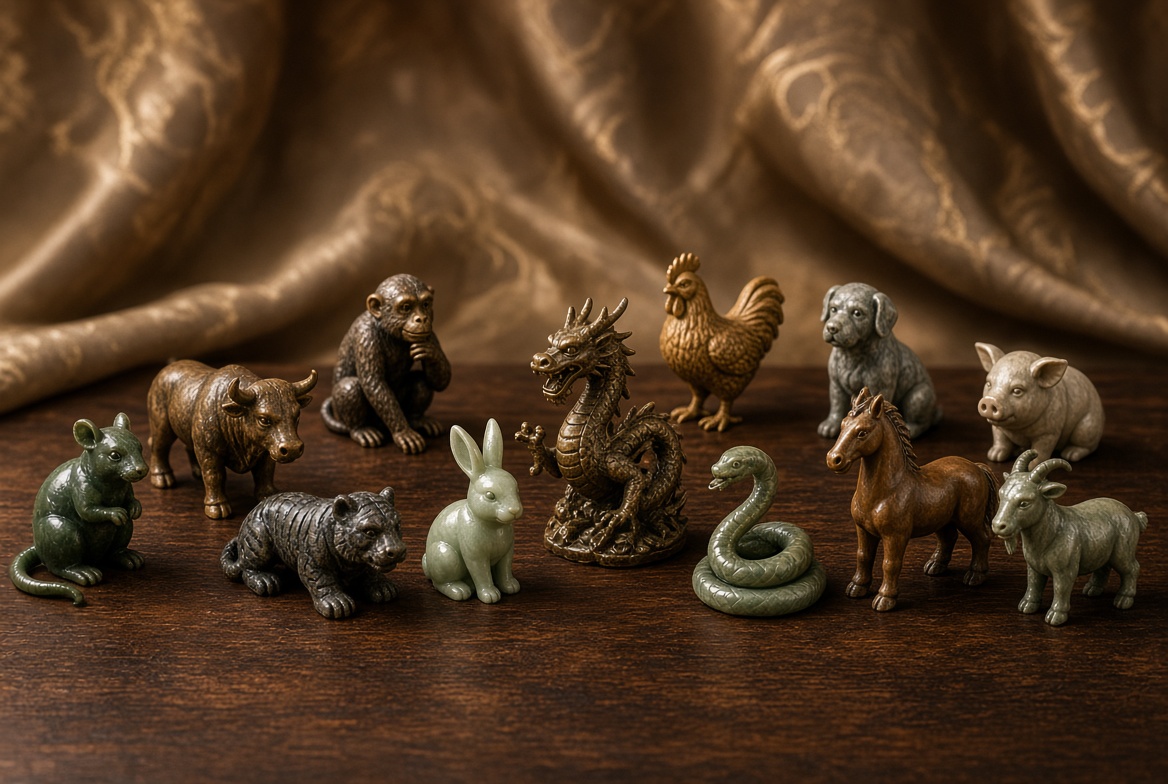
Explore protective Taoist amulets: → Chinese Zodiac Bracelets
Conclusion
For people born in the Year of the Horse, 2026 is an unusually significant point in the twelve-year zodiac cycle.
As the Year of the Horse, it represents Zhi Tai Sui — the year in which the annual zodiac branch matches one’s own. At the same time, the traditional Wu-Wu relationship creates the concept of self-punishment, directing attention toward personal tendencies rather than simply external opposition.
This does not mean that 2026 should be viewed as a year of unavoidable misfortune.
Instead, traditional interpretation presents it as a year of heightened energy and heightened self-awareness.
The Horse’s confidence, independence, enthusiasm, and ability to act can become powerful advantages when balanced with patience, reflection, cooperation, and adequate rest.
Rather than fearing an intensified year, the more constructive approach is to use it as an opportunity to understand yourself more clearly — and to learn how to turn strong energy into purposeful action.
FAQ
Because 2026 is itself a Horse year, people born under the Horse sign experience Zhi Tai Sui (值太岁). At the same time, the Horse’s earthly branch Wu (午) meets another Wu branch, creating the traditional relationship known as Wu-Wu self-punishment (Wu Wu Zi Xing, 午午自刑).
Not necessarily. The two relationships are traditionally understood differently. A direct clash describes opposition between two branches, while self-punishment focuses more heavily on a person’s own tendencies, reactions, and decisions.
Traditional guidance particularly emphasizes impulsiveness, overconfidence, restlessness, excessive independence, and difficulty slowing down. These are symbolic themes rather than guaranteed events.
Traditional practices include wearing red, carrying a consecrated amulet, visiting a Tai Sui temple, practicing greater patience, and deliberately making time for rest and reflection.
Yes. Traditional interpretations do not require a Tai Sui year to be viewed as entirely negative. The intensified energy associated with 2026 can also support initiative, creativity, leadership, and personal growth when it is directed carefully.
Wu-Wu Zi Xing (午午自刑) refers to the traditional self-punishment relationship in which the earthly branch Wu encounters another Wu. For the Horse, this occurs during its own zodiac year, such as 2026.
No. Chinese zodiac and Tai Sui interpretations are part of traditional cultural and astrological belief systems, not scientifically established predictions. The most constructive way to approach them is as a traditional framework for reflection and cultural understanding rather than as a guarantee of future events.
Related Posts
Introduction When people born in the Year of the Rat first learn that 2026 is [...]
Aug
2026 Rabbit Horoscope: Understanding the Mao-Wu Break in the Year of the Fire Horse
Introduction For people born in the Year of the Rabbit, 2026 is traditionally associated with [...]
Aug
2026 Dog Horoscope: Completing the San He Fire Trine with Loyalty and Follow-Through
Introduction While four zodiac signs face different forms of Tai Sui conflict in 2026, and [...]
Sep