

Introduction
For people born in the Year of the Rabbit, 2026 is traditionally associated with Po Tai Sui (破太岁), a relationship often translated as a “break” or “destructive interaction.” Unlike the direct opposition experienced by the Rat or the more subtle harm relationship associated with the Ox, Po is generally described as a less overt form of Tai Sui conflict.
That distinction matters. A Po relationship is not traditionally interpreted as a prediction of major misfortune. Instead, it is more commonly associated with disrupted plans, changing circumstances, delays, and the need to adapt when things do not proceed exactly as expected.
As explained in our 2026 Tai Sui Guide, the Horse, Rat, Ox, and Rabbit are the four zodiac signs traditionally associated with meaningful Tai Sui relationships in 2026. For the Rabbit, the relevant relationship is Po.
This guide examines what 2026 means for the Rabbit by looking at:
- the traditional characteristics associated with the Rabbit
- what the Mao-Wu Po relationship means in Chinese astrology
- how this relationship may traditionally be interpreted in everyday life
- practical ways Rabbits can approach a year characterized by change and disrupted timing
Who Is the Rabbit?
The Rabbit holds the fourth position in the zodiac cycle, corresponding to the earthly branch Mao (卯) and the hours of 5:00 to 7:00 a.m. — the gentle window of early morning when the world quietly wakes. According to Chinese New Year.net’s overview of the Rabbit sign, those born under this sign are generally described as open, optimistic, sensitive, and imaginative, with a natural inclination toward life’s more comfortable, considered pace rather than bold risk-taking.
The sign carries a Yin Wood energy and is closely tied to the legend of the Jade Rabbit (玉兔), said to live on the moon eternally preparing the elixir of immortality — an association that has linked the Rabbit to longevity, gentleness, and quiet grace for centuries.
Traditionally, people born under the Rabbit sign are associated with qualities such as:
- diplomacy
- sensitivity
- creativity
- caution
- compassion
- adaptability
- a preference for harmony over confrontation
These are cultural and astrological archetypes rather than fixed descriptions of individual personalities. Nevertheless, they provide useful context for understanding why traditional interpretations often emphasize flexibility when discussing the Rabbit’s relationship with 2026.
Who Counts as a Rabbit in 2026?
One important detail is that the Chinese zodiac does not simply change on January 1.
Chinese zodiac years traditionally follow the Chinese calendar, with Chinese New Year occurring between late January and mid-February. Therefore, people born in January or early February should check the exact date of the zodiac-year transition in their birth year before determining their animal sign.
Some BaZi practitioners use Li Chun (立春), the Beginning of Spring, rather than Chinese New Year as the boundary for calculating the annual Earthly Branch. Because these systems can use different dates, people seeking a precise BaZi reading should follow the convention used by their practitioner.
For general Chinese zodiac purposes, however, the lunar-year boundary is the most commonly recognized reference.
Understanding Po Tai Sui: The “Break” Relationship
As discussed in our guide to what it means to offend Tai Sui, traditional Chinese astrology describes several different relationships between zodiac branches, including:
- Chong (冲) — direct clash
- Xing (刑) — punishment
- Hai (害) — harm
- Po (破) — break or disruption
These relationships should not necessarily be understood as a simple ranking from “bad” to “good.” Different schools and practitioners may interpret their intensity and practical effects differently.
Compared with a direct Chong relationship, however, Po is often described as a less overt form of disruption.
Rather than representing obvious confrontation, Po is traditionally associated with situations where plans become fragmented, momentum is interrupted, expectations change, or something that appeared stable begins to require adjustment.
For this reason, the most useful way to approach Po Tai Sui is not as a prediction that something will inevitably go wrong, but as a traditional reminder to remain adaptable when circumstances change.
Why Rabbit and Horse Form a Po Relationship
The Rabbit corresponds to Mao (卯), while the Horse corresponds to Wu (午).
In the traditional Earthly Branch system, Mao and Wu form a Po (破) relationship. This relationship is one of the six traditionally recognized Po pairings within the twelve Earthly Branches.
It is important to distinguish this branch relationship from the Five Elements system.
The Rabbit is traditionally associated with Yin Wood, while the 2026 Fire Horse carries a strong Fire association. In the Five Elements productive cycle, Wood generates Fire. That relationship is generally described as productive rather than destructive.
However, the favorable or unfavorable quality of an elemental relationship does not erase a separate Earthly Branch relationship. Traditional Chinese astrology considers these systems together rather than using the Five Elements alone to determine whether a particular year will be favorable.
Therefore, the Rabbit’s 2026 interpretation comes primarily from the Mao-Wu Po relationship, rather than from the idea that Fire simply “destroys” the Rabbit’s Wood energy.
This distinction is important because it prevents an overly simplistic interpretation of 2026 as inherently negative.
What Does Po Tai Sui Mean for Rabbits in 2026?
Traditional interpretations of Po Tai Sui tend to focus less on dramatic confrontation and more on disruption and changing circumstances.
For Rabbits, this can be understood through several areas of everyday life.
Career and Projects
Plans may require more revisions than expected. Projects that initially appear straightforward could experience delays, changes in priorities, or unexpected adjustments.
The traditional lesson is not necessarily to avoid ambitious projects, but to avoid becoming too dependent on a single fixed plan.
Having alternative approaches and allowing extra time for important tasks can make unexpected changes easier to handle.
Relationships
Po is sometimes associated with disruptions in interpersonal relationships.
For Rabbits, this may traditionally be interpreted as minor misunderstandings, changes in expectations, or situations where communication becomes less smooth than usual.
Because Rabbit symbolism is strongly associated with diplomacy, one practical response is to communicate early rather than allowing small disagreements to accumulate.
Finances
Traditional Tai Sui guidance generally encourages greater caution during years associated with conflict.
For a Rabbit experiencing Po Tai Sui, this can translate into avoiding unnecessary financial risks and leaving room for unexpected expenses or changes in plans.
Rather than assuming that 2026 will automatically bring financial loss, the more balanced interpretation is simply to avoid treating uncertainty as certainty.
Health and Daily Routine
Traditional astrology often connects challenging Tai Sui relationships with the need to pay closer attention to personal wellbeing.
For Rabbits, the practical emphasis can be placed on maintaining consistent sleep, rest, routines, and stress management rather than interpreting the year as a prediction of illness.
These traditional interpretations should not be treated as medical predictions. Any actual health concern should be evaluated using appropriate medical care.
2026 Rabbit Quick Guide
| Area | Traditional Theme | Practical Approach |
|---|---|---|
| Career | Delays and changing plans | Keep alternative options available |
| Relationships | Minor misunderstandings | Communicate clearly and early |
| Finances | Uncertain timing | Avoid unnecessary impulsive risks |
| Health | Maintaining balance | Prioritize rest and consistent routines |
| Personal Growth | Learning to adapt | Treat changes as opportunities to reassess |
The central theme is therefore not “bad luck,” but adaptability.
Traditional Remedies for Rabbits in 2026
Traditional Chinese customs offer several ways people may choose to respond to a Tai Sui year.
These practices should be understood as cultural and spiritual traditions, rather than scientifically established methods for preventing specific events.
Wearing Red
Wearing red is one of the most widely recognized customs associated with challenging zodiac years.
Red is traditionally associated with vitality, protection, and auspiciousness in Chinese culture. Some people choose to wear red clothing, bracelets, or other accessories throughout the year.
Paying Respect to Tai Sui
Visiting a Taoist temple and participating in a traditional Tai Sui ritual is another practice followed by some believers.
The exact ritual varies by temple and tradition, but it generally involves paying respects to the Tai Sui deity associated with the year and seeking blessings or protection.
This connects with the broader practices described in our article on worshipping and appeasing Tai Sui.
Carrying a Consecrated Amulet
Some practitioners choose to carry a consecrated amulet associated with Tai Sui, their zodiac sign, or a particular protective deity.
Within traditional practice, such objects are understood as spiritual or symbolic forms of protection. Their significance depends on the religious tradition, ritual context, and practitioner’s beliefs.
Build Flexibility Into Your Plans
Perhaps the most practical response to Po Tai Sui is also the simplest: leave room for change.
Rather than treating every delay as a sign of misfortune, Rabbits can use the traditional symbolism of Po as a reminder to review plans, adjust expectations, and avoid unnecessary attachment to a single outcome.
How Rabbits Can Turn Flexibility Into an Advantage
The Rabbit’s traditional characteristics actually fit surprisingly well with the symbolism of a Po year.
Rabbit symbolism emphasizes diplomacy, sensitivity, and adaptability. These qualities can become particularly useful when plans change unexpectedly.
A Po year does not necessarily mean that something must be “broken.” Instead, the symbolism can be interpreted as an invitation to notice what is no longer working and make adjustments before small disruptions become larger problems.
For example:
- A delayed project can become an opportunity to improve the original plan.
- A change in circumstances can reveal an alternative path.
- A disagreement can encourage clearer communication.
- A disrupted routine can create an opportunity to establish a healthier one.
Seen this way, the traditional symbolism of Po can be approached as a framework for responding to change, rather than a prediction of unavoidable misfortune.
The Rabbit’s Natural Advantage in 2026
This is where the traditional Rabbit archetype becomes particularly interesting.
A more rigid personality might respond to a year of changing circumstances by attempting to force everything back into its original position. The Rabbit’s traditional preference for diplomacy and adjustment suggests a different approach.
Instead of asking:
“How do I make everything happen exactly as planned?”
the Rabbit can ask:
“What is the best way to move forward given the circumstances that actually exist?”
That mindset is consistent with a broader Taoist emphasis on adapting to changing conditions rather than relying entirely on force or resistance.
For this reason, 2026 can be approached not simply as a “break year,” but as a year for developing flexibility, patience, and the ability to adjust without losing direction.
Tai Sui Guidance at Taoist World
Understanding the specific nature of your zodiac sign’s relationship to Tai Sui offers more useful context than a generalized yearly warning.
For the Rabbit, 2026’s Po relationship is traditionally associated with disruption, changing plans, and interrupted momentum rather than direct confrontation.
At Taoist World, we believe navigating a challenging year should begin with understanding rather than fear. Traditional practices such as wearing red, honoring Tai Sui, or carrying a consecrated amulet can be meaningful to those who follow them, while practical habits such as flexibility, patience, and thoughtful planning remain valuable regardless of one’s beliefs.
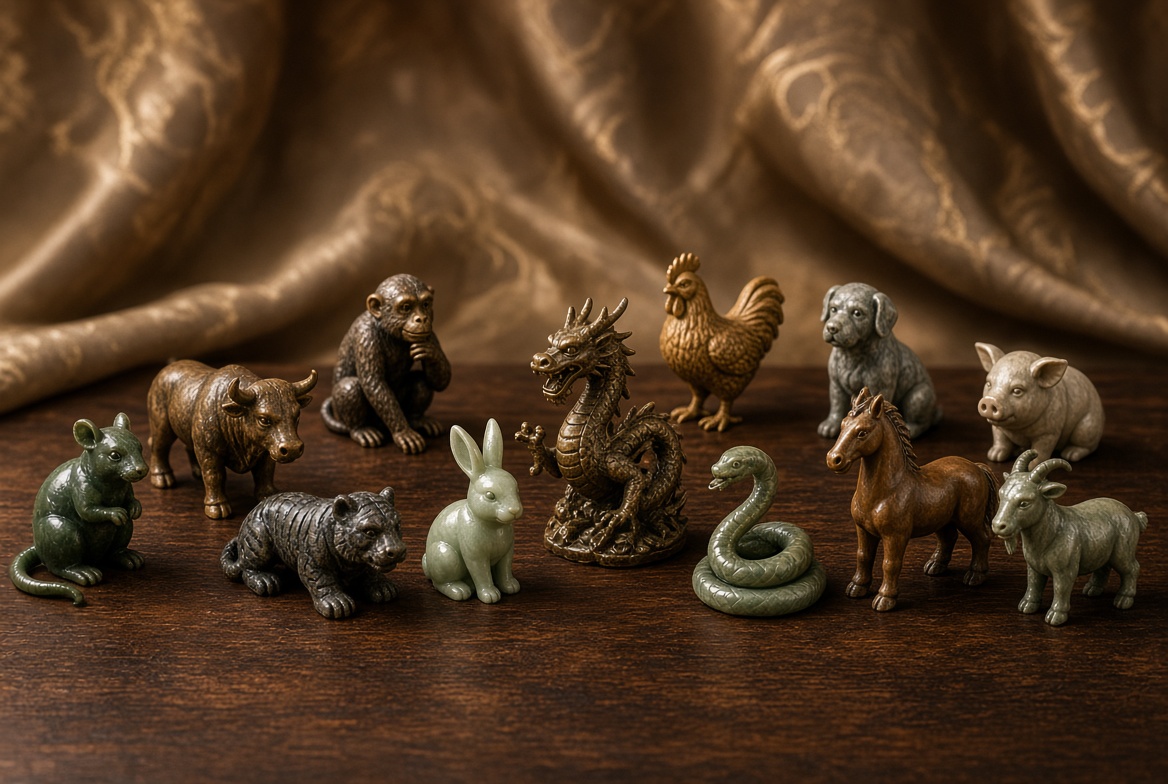
Explore protective Taoist amulets: → Chinese Zodiac Bracelets
Conclusion
For people born in the Year of the Rabbit, 2026 is traditionally associated with Po Tai Sui, the Mao-Wu “break” relationship.
Unlike the Rat’s direct Chong or the Ox’s Hai relationship, Po is generally understood as a quieter form of disruption — one associated with changing plans, delays, interrupted momentum, and circumstances that require adjustment.
That does not mean Rabbits should approach 2026 with fear.
In fact, the Rabbit’s traditional strengths of diplomacy, sensitivity, patience, and adaptability are particularly useful for navigating exactly this kind of uncertainty.
The most constructive way to approach the year is therefore not to expect everything to go wrong, but to plan carefully, remain flexible, communicate clearly, and treat unexpected changes as opportunities to reassess rather than automatic signs of bad fortune.
In that sense, the traditional lesson of Po Tai Sui can be surprisingly practical: when circumstances change, the ability to adjust may matter more than the ability to control.
FAQ
Po Tai Sui (破太岁) refers to a traditional “break” or “disruption” relationship between the Rabbit’s Mao (卯) branch and the Horse’s Wu (午) branch. It is generally associated with changing plans, delays, and disrupted momentum rather than direct confrontation.
Not necessarily. Traditional interpretations vary between schools, but Po is generally described as a less overt form of Tai Sui relationship than a direct clash. It is better understood as a reminder to remain flexible and attentive to changing circumstances rather than a prediction of unavoidable misfortune.
Traditional guidance emphasizes delays, changing plans, minor relationship disruptions, and interruptions to momentum. Maintaining flexibility and avoiding unnecessary impulsive decisions can be useful practical responses.
Common cultural practices include wearing red, visiting a temple to pay respects to Tai Sui, carrying a consecrated amulet, and participating in other traditional protective rituals. These practices are matters of cultural or spiritual belief rather than scientifically established methods of preventing specific events.
The Rabbit corresponds to Mao (卯), while the Horse corresponds to Wu (午). In the traditional Earthly Branch system, Mao and Wu form one of the six recognized Po (破) pairings.
Not necessarily. The Rabbit is traditionally associated with Yin Wood, while 2026 is a Yang Fire Horse year. In the Five Elements productive cycle, Wood generates Fire, which is not inherently a destructive relationship. The Rabbit’s Po Tai Sui status comes from the separate Mao-Wu Earthly Branch relationship, so the two systems should not be reduced to a simple “Fire destroys Wood” interpretation.
Related Posts
Introduction When people born in the Year of the Rat first learn that 2026 is [...]
Aug
Introduction For people born in the Year of the Horse, 2026 carries a particularly significant [...]
Aug
2026 Tiger Horoscope: How San He Brings Favorable Energy in the Year of the Fire Horse
Introduction While four zodiac signs face different forms of Tai Sui conflict in 2026, and [...]
Aug