
Folk Immortals
Folk immortals are a special group in Taoist culture that are rooted in urban legends and embody both the “essence of mortal cultivation” and the “implication of spiritual blessing”. They are revered as immortals by the people either for passing down unique skills, attaining immortality through Taoist practice, or relieving the sufferings of the world. Each figure carries distinct cultural symbols and prayer appeals, serving as a highly recognizable and emotionally resonant core element in the design of Taoist cultural ornaments.
Peng Zu — Ancestor of the Bedroom Arts
Peng Zu, the Ancestor of the Bedroom Arts, is not only publicly recognized as the “Immortal of Longevity” among the folks, but also honored as the “Ancestor of the Bedroom Arts” for his profound mastery of health preservation, especially his expertise in the secret arts of sexual health cultivation.
According to legend, he lived for more than 800 years. He advocated “following nature and harmonizing yin and yang” to cultivate a long life, and is symbolized by longevity, harmony between yin and yang, and physical and mental well-being.
His image is mostly depicted as an old man with white hair and a youthful face, holding ganoderma lucidum or a walking stick. Ganoderma lucidum, cranes, and longevity peaches are all his core symbols.
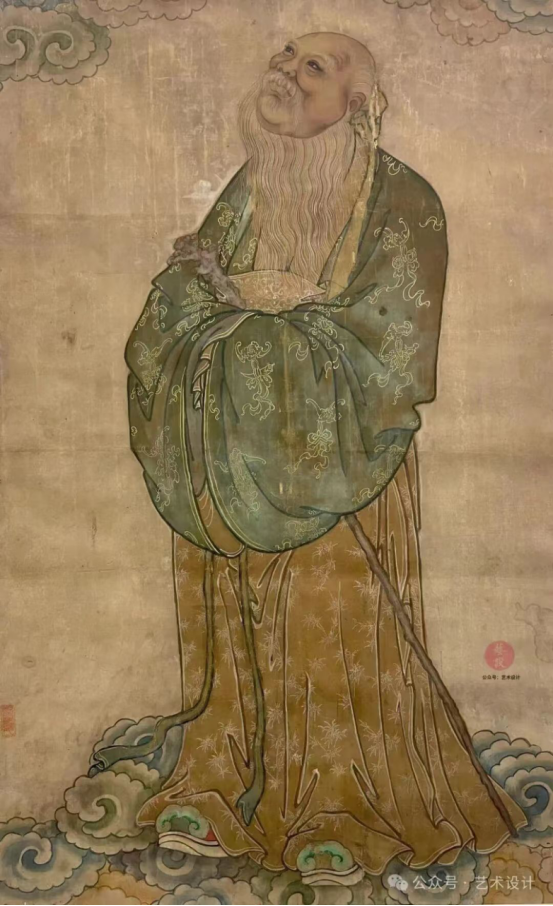
Guiguzi — Ancestor of Vertical and Horizontal Strategies
Guiguzi was an extremely legendary hermit sage during the Warring States Period. He mastered political strategy, military tactics, Qimen Dunjia, and the art of maneuvering alliances. His disciples, including Su Qin, Zhang Yi, and Sun Bin, all became influential historical figures.
Thus, Guiguzi was honored as the Ancestor of Vertical and Horizontal Strategies and the Sage of Stratagems. He symbolizes profound wisdom, exceptional strategic acumen, and career success.
His core symbols are the Eight Trigrams, strategy diagrams, and a fly-whisk. He is often depicted as an immortal sage holding military texts or a luopan compass.

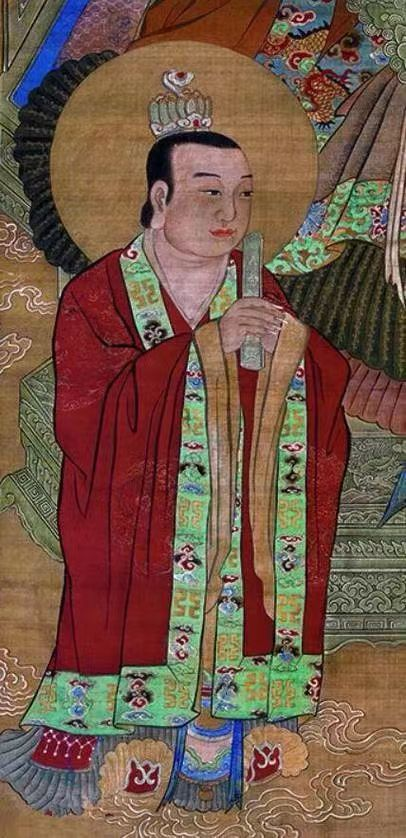
Yin Xi — True Lord of Wenshi
Yin Xi was one of the earliest inheritors of Taoism. Originally the commandant of Hangu Pass, he observed purple qi drifting eastward and foresaw the arrival of a sage. He respectfully welcomed Laozi and received the transmission of the Tao Te Ching.
Later, he cultivated Taoism and attained immortality, earning the title True Lord of Wenshi. He symbolizes Taoist inheritance, enlightenment, wisdom, and inner clarity.
His core symbols are bamboo slips, Tai Chi imagery, and purple auspicious clouds.
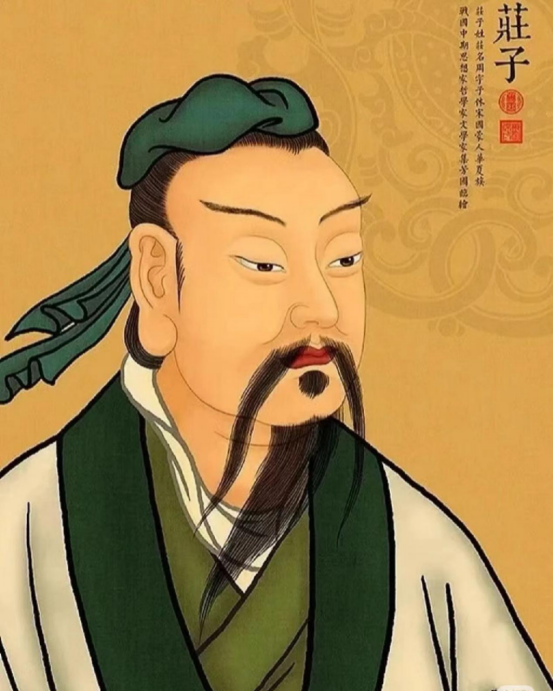
Zhuangzi — True Lord of Nanhua
Zhuangzi was a representative philosopher of Taoist thought. He advocated carefree wandering, spiritual freedom, and harmony with nature.
His famous work, Zhuangzi (The Scripture of Nanhua), is filled with philosophical depth and immortal aesthetics, earning him the title True Lord of Nanhua.
He symbolizes freedom from worldly attachments and spiritual liberation. His symbols include butterflies, fishing rods, and river ripples.
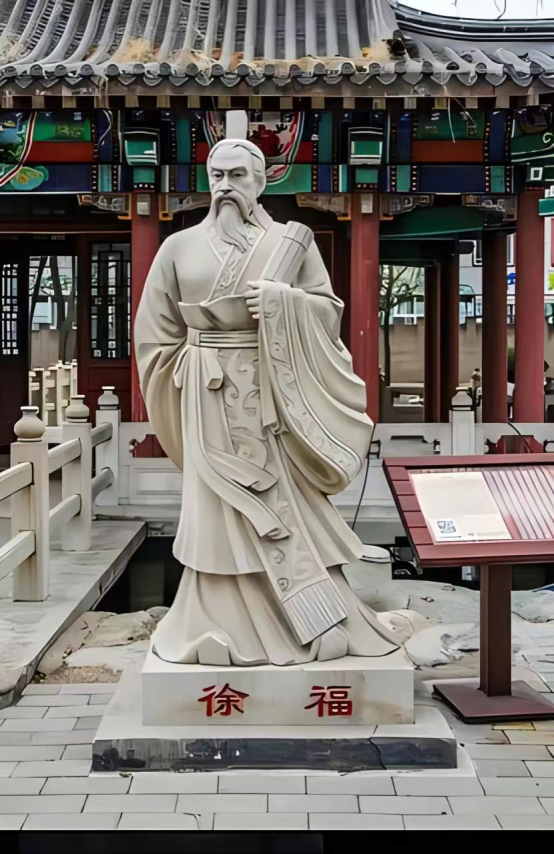
Xu Fu — The Immortal-Seeking Envoy
Xu Fu was a famous alchemist of the Qin Dynasty who was sent by Emperor Qin Shi Huang to search for the elixir of immortality on the mythical islands of Penglai, Fangzhang, and Yingzhou.
He later settled overseas and was revered as the Immortal-Seeking Envoy. He symbolizes hope, safe voyages, and enduring blessings.
His symbols include ships, celestial herbs, and compasses.
The Three Mao True Lords — Founding Immortals of Maoshan Taoism
The Three Mao True Lords refer to the brothers Mao Ying, Mao Gu, and Mao Zhong of the Han Dynasty. They withdrew to Maoshan Mountain to cultivate Taoism and later used Taoist magic to protect the people and exorcise evil spirits.
They became revered as the founding immortals of Maoshan Taoism and symbolize protection, exorcism, and safeguarding peace.
Their core symbols are talismans, fly-whisks, and Maoshan temples.
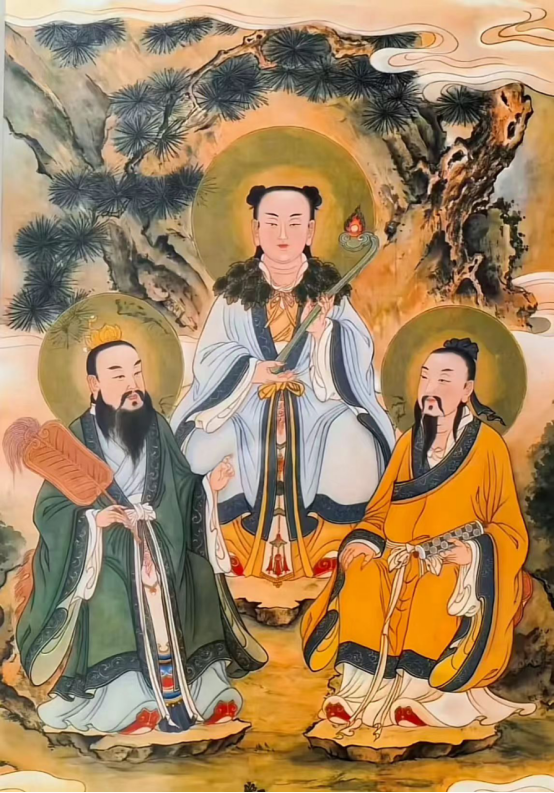
Wei Boyang — Elixir Sovereign of All Ages
Wei Boyang was a renowned alchemist and Taoist theorist of the Eastern Han Dynasty. He authored Zhouyi Cantong Qi, regarded as one of the most important Taoist alchemical classics.
He symbolizes spiritual cultivation, refinement of body and mind, and fulfillment of fortune and blessings.
His symbols include the elixir furnace, immortality pills, and the Eight Trigrams.
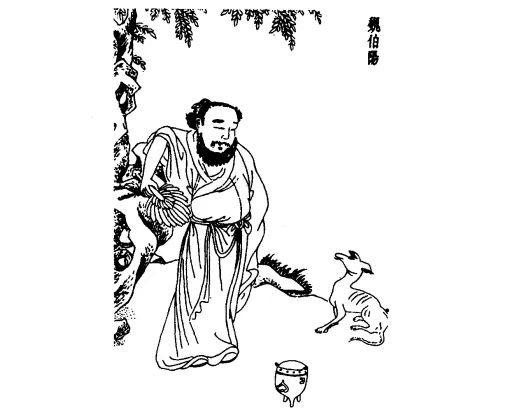
Liu An — Taiji True Lord
Liu An, Prince of Huainan during the Western Han Dynasty, devoted himself to Taoist cultivation and alchemy. According to legend, he and his disciples ascended to heaven after successfully refining the elixir of immortality.
This story gave rise to the saying: “When one attains immortality, even their chickens and dogs ascend to heaven.”
He symbolizes immortality, family prosperity, and heavenly blessings.
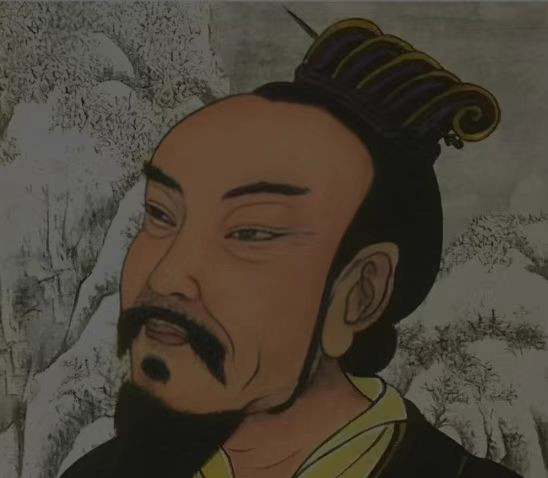
Dongfang Shuo — Humorous God of the Year Star
Dongfang Shuo was a witty scholar and alchemist of the Western Han Dynasty. Famous for advising Emperor Wu of Han through humor and satire, he became associated with wisdom, joy, and longevity.
He symbolizes humor, intelligence, and turning misfortune into fortune.
His symbols are bamboo slips, smiling expressions, and stars.
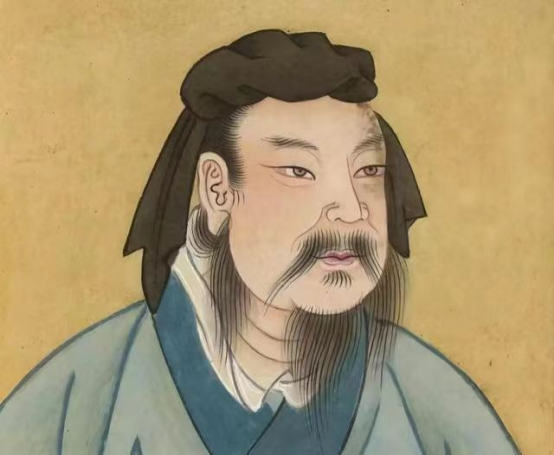
Yu Ji — Leader of the Taiping Dao
Yu Ji founded the Taiping Dao during the late Eastern Han Dynasty and authored The Taiping Scripture. He used talismans, medicine, and rituals to heal and help the common people.
He symbolizes peace, healing, and the wellbeing of the people.
His symbols include scriptures, medicinal herbs, and Taoist talismans.
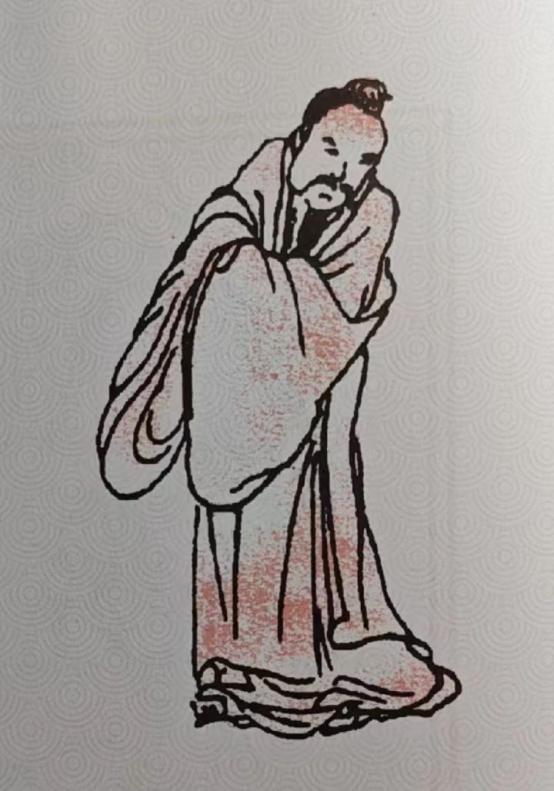
Fei Changfang — Taoist Who Commands Ghosts and Gods
Fei Changfang was an alchemist who learned secret Taoist arts from the immortal Hugong, also known as the Gourd Immortal.
He was believed to command spirits, cure diseases, and travel vast distances instantly. He symbolizes divine protection, exorcism, and smooth fortune.
His symbols are the gourd, talismans, and ghost-commanding seals.
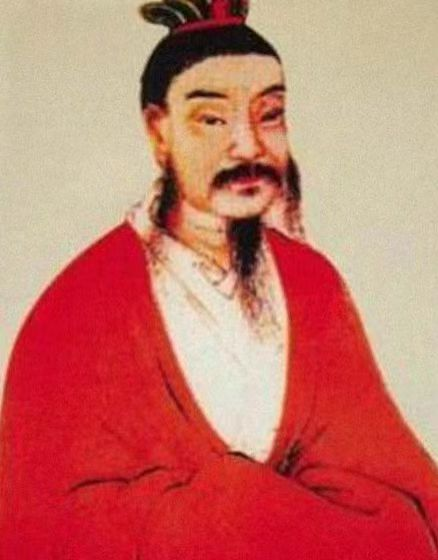
Ji Kang — Uninhibited Sage of the Bamboo Grove
Ji Kang was one of the famous Seven Sages of the Bamboo Grove during the Three Kingdoms period. He was known for his artistic brilliance, noble spirit, and pursuit of spiritual freedom.
He symbolizes transcendence, artistic talent, and remaining true to oneself.
His symbols include the guqin, bamboo forests, and wine pots.
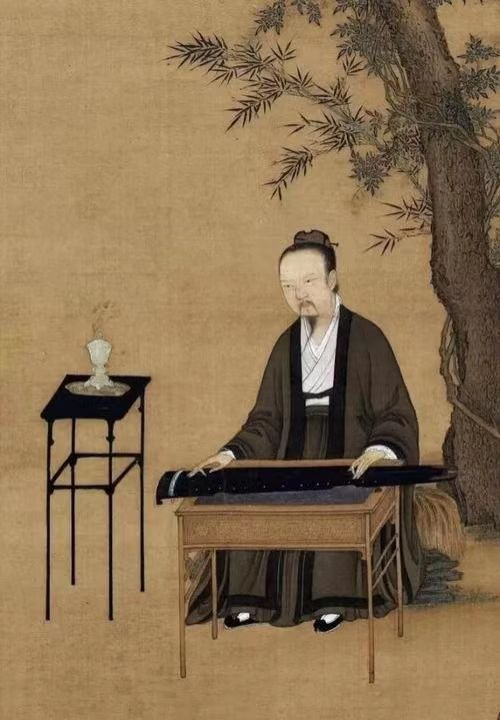
Guo Pu — Immortal Earl of the Water Mansion
Guo Pu was a renowned feng shui master, scholar, and alchemist of the Eastern Jin Dynasty. He was famous for geomancy, divination, and identifying auspicious lands.
He symbolizes feng shui fortune, disaster prevention, and household stability.
His symbols include the luopan compass, feng shui diagrams, and flowing water patterns.
Conclusion of This Part
The folk immortals introduced in this section represent some of the most foundational figures in Taoist cultural imagination. From sages of strategic wisdom and philosophical freedom to founders of Taoist sects and legendary alchemists, each figure reflects a unique aspect of traditional Chinese spiritual thought.
Despite their diverse origins and life stories, they collectively embody humanity’s timeless aspirations for longevity, wisdom, protection, and harmony between heaven and humanity. These archetypal images continue to influence Taoist art, cultural symbolism, and contemporary spiritual aesthetics.
Click this link to read the next part of this article and learn more about folk sages. : Folk Immortals in Taoism (Part II): Taoist Masters, Celestial Scholars, and Guardians of Blessings.
Related Posts
Folk Immortals in Taoism (Part II): Taoist Masters, Celestial Scholars, and Guardians of Blessings
Xu Xun — Leader of the Jingming Dao Xu Xun was a renowned Taoist priest [...]
May
Cultivate self-cultivation and refine one’s nature
The Taoist path of self-cultivation is centered on the idea of aligning oneself with the [...]
Dec
Four Symbols in Taoism: Azure Dragon, White Tiger, Vermilion Bird and Black Tortoise
The Four Symbols, also known as the Four Divine Spirits or Four Celestial Spirits, are [...]
Dec