
The Four Symbols, also known as the Four Divine Spirits or Four Celestial Spirits, are among the most important symbolic beings in Chinese mythology and Taoist cosmology. They represent the four cardinal directions, the four seasons, and the balance of the Five Elements. The Four Symbols consist of the Azure Dragon, White Tiger, Vermilion Bird, and Black Tortoise.
Originating from ancient astronomical worship, they later became powerful guardian deities in Taoism and important symbols in Feng Shui, ritual traditions, imperial culture, and Chinese spiritual belief systems.
Origin of the Four Symbols
The concept of the Four Symbols first emerged from ancient Chinese astronomy. The sky surrounding the ecliptic was divided into the Twenty-Eight Mansions, which were grouped into four directional constellations. Each group symbolized a sacred creature that governed a region of the heavens and a seasonal cycle.
The eastern mansions formed the image of the Azure Dragon, while the western mansions became associated with the White Tiger. The southern celestial region was represented by the Vermilion Bird, and the northern heavens by the Black Tortoise.
This ancient stellar system later merged with Taoist cosmology and Five Elements philosophy, transforming the Four Symbols into divine guardians with spiritual authority over heaven, earth, and humanity. In many Taoist cosmological systems, they are also connected with the celestial order described in Twenty-Eight Mansions.
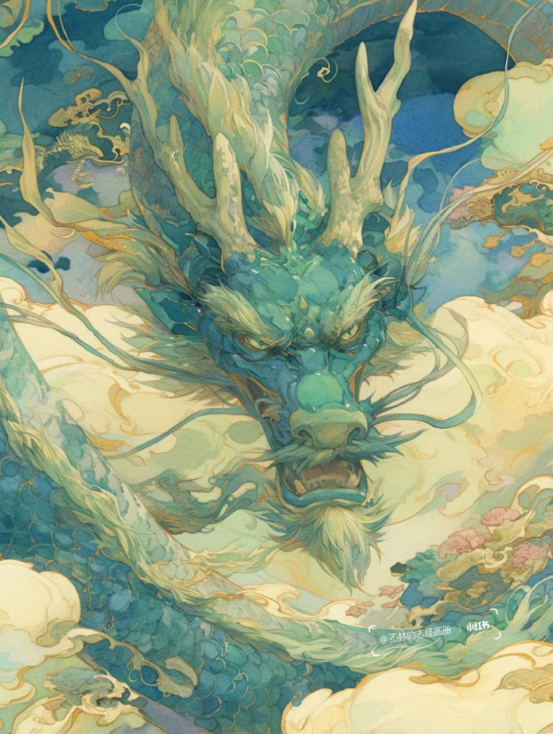
Azure Dragon (Qinglong)
Symbolism and Meaning
The Azure Dragon represents the East, the season of spring, and the Wood element. It symbolizes vitality, renewal, growth, authority, and auspicious fortune.
Appearance and Powers
The Azure Dragon is traditionally depicted with a long serpentine body, deer-like antlers, scales, claws, and flowing whiskers. In Taoist belief, it governs clouds, rain, and thunder, embodying the life-giving force of nature.
It is regarded as a sacred protector that encourages prosperity and advancement. The Azure Dragon also became an enduring imperial symbol associated with heavenly authority and good fortune.
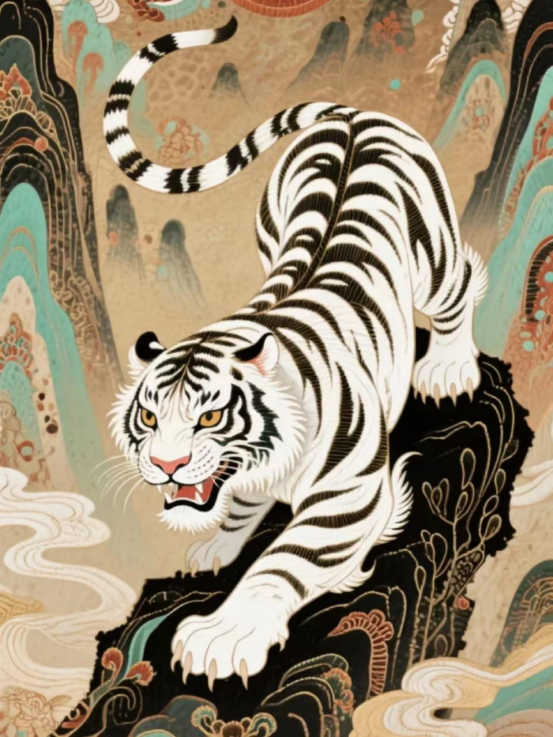
White Tiger (Baihu)
Symbolism and Meaning
The White Tiger governs the West, the season of autumn, and the Metal element. It represents strength, discipline, warfare, righteousness, and suppression of evil.
Appearance and Powers
The White Tiger is portrayed as a fierce white tiger with powerful claws and a commanding presence. In Taoist traditions, it serves as a guardian against malevolent forces and destructive influences.
Because of its association with authority and military power, the White Tiger frequently appeared on battle flags, weapons, and protective talismans. It also symbolizes decisive action and justice within the cosmic order.
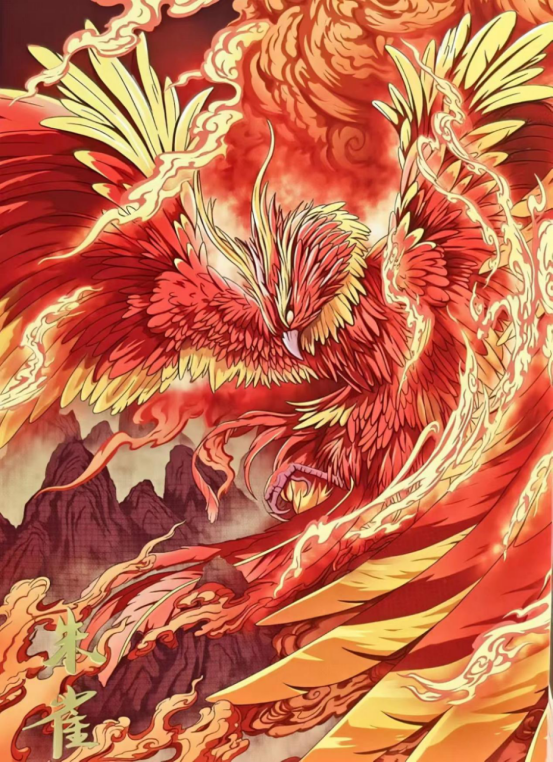
Vermilion Bird (Zhuque)
Symbolism and Meaning
The Vermilion Bird governs the South, the season of summer, and the Fire element. It symbolizes illumination, transformation, virtue, and spiritual ascension.
Appearance and Powers
Often depicted as a radiant sacred bird surrounded by flames, the Vermilion Bird embodies solar energy and rebirth. It is closely associated with civilization, spiritual enlightenment, and the continuity of life.
In Taoist cosmology, the Vermilion Bird is an important southern guardian spirit connected with fire rituals and celestial purity. Its symbolism also intersects with star deity traditions preserved in Eleven Luminaries True Lords.
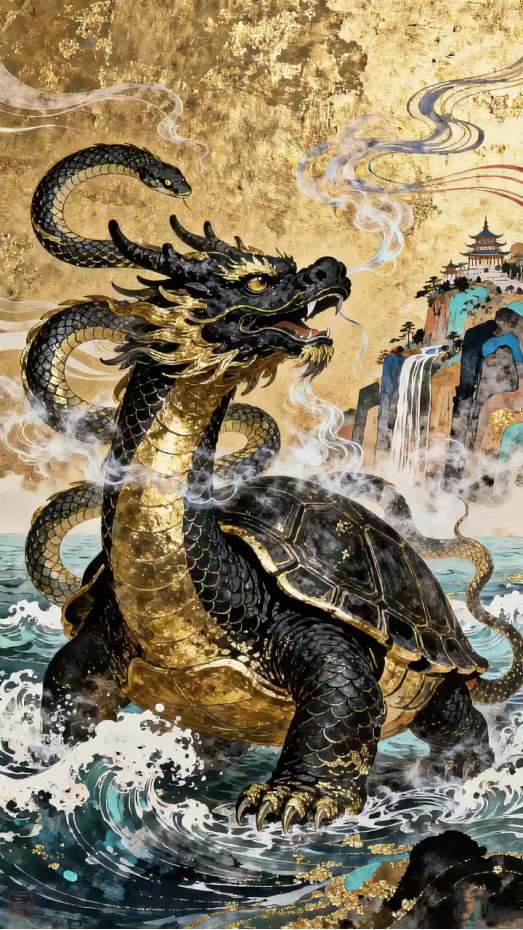
Black Tortoise (Xuanwu)
Symbolism and Meaning
The Black Tortoise rules the North, the season of winter, and the Water element. It symbolizes wisdom, endurance, protection, longevity, and hidden spiritual power.
Appearance and Powers
The Black Tortoise is commonly portrayed as a tortoise entwined with a serpent. This combination reflects the unity of stability and transformation.
In Taoism, Xuanwu later evolved into the powerful deity Emperor Zhenwu, becoming one of the highest northern protective gods. The Black Tortoise also governs water, spiritual defense, and occult wisdom. Its role within directional cosmology is deeply connected to elemental systems preserved in Five Qi True Lords.
The Four Symbols in Feng Shui and Taoism
The Four Symbols became a foundational concept in Feng Shui, Taoist ritual arrangements, and sacred architecture.
A traditional ideal Feng Shui layout follows the pattern:
- Azure Dragon on the left
- White Tiger on the right
- Vermilion Bird in front
- Black Tortoise behind
This arrangement symbolizes balance, harmony, and the proper circulation of cosmic qi. Taoist ritual altars, temple layouts, and ceremonial spaces frequently follow this directional structure to establish spiritual protection and energetic stability.
The Four Symbols are also widely used in talismans, ritual diagrams, military symbolism, and religious artwork throughout Chinese history.
Cultural Significance of the Four Symbols
The Four Symbols are far more than mythological creatures. They form a complete cosmological framework representing the interaction of heaven, earth, seasons, elements, and spiritual order.
Their influence extends across Taoism, Feng Shui, astrology, imperial symbolism, martial traditions, literature, and Chinese art. Together, they embody the ancient Chinese ideal of harmony between humanity and the cosmos.
Today, the Azure Dragon, White Tiger, Vermilion Bird, and Black Tortoise remain enduring cultural icons that continue to symbolize protection, balance, fortune, and universal order.
Related Posts
The Five Water Deities in Taoism: Guardians of Seas, Rivers, and Sacred Waters
The Five Water Deities are among the most important water gods in Taoist belief. They [...]
Dec
The Divine Boys of the Five Directions in Taoism: Guardians of Souls and Guides of the Five Elements
Introduction to the Divine Boys of the Five Directions The Divine Boys of the Five [...]
Dec

Twenty-Eight Mansions in Taoism and Chinese Astrology
Introduction The Twenty-Eight Mansions (Ershi Ba Xiu) form the foundational star system of ancient Chinese [...]
Dec