
The Five Water Deities are among the most important water gods in Taoist belief. They oversee the oceans, rivers, rainfall, and aquatic balance throughout the world. Together, they form a sacred divine system responsible for regulating water flow, preventing floods and droughts, and protecting maritime travel and agricultural prosperity.
Their names are recorded in the Taoist scripture Taichong Jinli Shengqi Jing. The five deities include the four sea gods—guardians of the eastern, southern, western, and northern waters—and the River God Feng Yi, who governs inland rivers and waterways. As essential divine administrators of water, they connect heavenly authority with earthly survival.
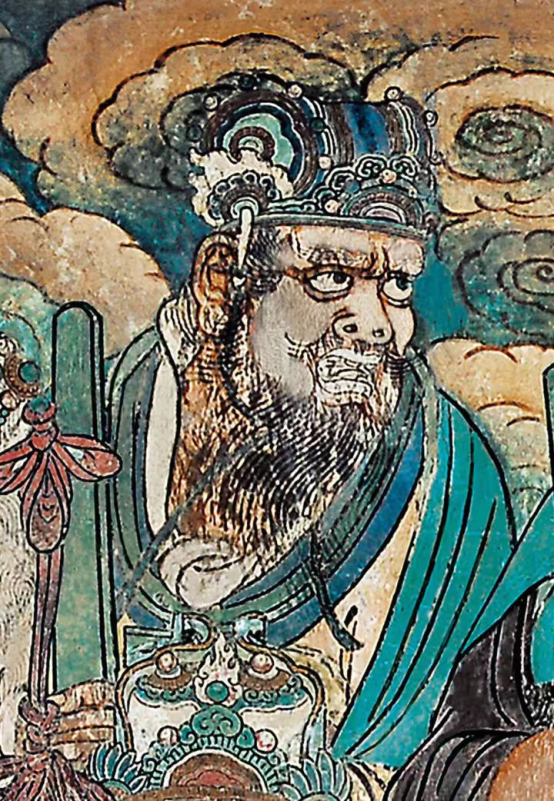
[Insert Image 1: Collective depiction of the Five Water Deities]
Origins of the Five Water Deities
The worship of water deities began in ancient China through reverence for rivers, lakes, and seas. Water was seen as both life-giving and destructive, so divine protection became essential.
After Taoism formalized its celestial hierarchy, these ancient spirits were incorporated into the heavenly bureaucracy under the authority of the Water Official Emperor. Their role differs from the deities described in The Great Emperors of the Five Great Mountains, who govern sacred geography through mountains rather than waterways.
Unlike local well gods or stream spirits, the Five Water Deities hold regional authority over vast aquatic systems. They also cooperate with dragon kings and other divine officials to maintain seasonal and environmental harmony.
The Five Divine Water Guardians
East Sea Deity – He Guiju Jun
He Guiju Jun governs the Eastern Sea and the eastern coastline. His duties include regulating tides, ensuring safe navigation, and protecting fishing communities. He is also responsible for transmitting heavenly water decrees.
He is commonly portrayed wearing a blue dragon-patterned robe and holding a sea-command banner, symbolizing authority over ocean currents and coastal rainfall.
South Sea Deity – Liu Xiao Jun
Liu Xiao Jun oversees the Southern Sea, including tropical waters and southern maritime routes. He controls warm currents, seasonal storms, and typhoon balance.
His fiery nature reflects the same elemental power discussed in Fire Ministry Emperor, though his divine purpose focuses on balancing water rather than commanding flame.
He is traditionally depicted in red robes while carrying a coral staff, representing warmth, vitality, and protective maritime energy.
West Sea Deity – Guosui Jun
Guosui Jun governs the Western Sea, often associated in ancient texts with inland western lakes such as Qinghai Lake.
His role centers on irrigation, drought prevention, and ecological balance. Farmers and travelers historically prayed to him for stable rainfall and healthy crops.
North Sea Deity – Wu Yuqiang Jun
Wu Yuqiang Jun presides over the Northern Sea and northern waters. He regulates ice, snowfall, and cold seasonal transitions.
His black robes and iron staff symbolize winter authority and the hidden strength of deep water.
River God – Feng Yi
Feng Yi, courtesy name Junping, is the guardian of rivers throughout the human world, especially the Yellow River.
Unlike the sea deities, he manages inland water flow, flood control, and disputes involving water resources. His ability to guide and redirect sacred currents reflects Taoist ideas about cosmic balance, much like the directional harmony described in The Five Elders of the Five Directions.
He is often shown riding a water chariot while holding a river map.
[Insert Image 2: River God Feng Yi or symbolic Five Water Deities artwork]
Core Functions of the Five Water Deities
Regulating Water Systems
The primary responsibility of the Five Water Deities is maintaining harmony between oceans and rivers. Together, they ensure that water moves in proper balance across heaven and earth.
Bringing Rain and Preventing Disaster
They distribute clouds and rainfall according to heavenly command. Coastal deities regulate tides and sea storms, while Feng Yi focuses on inland flood prevention and drought relief.
Protecting Travel and Livelihoods
Ancient fishermen, merchants, and boatmen often prayed to these deities before voyages. Their blessings were believed to protect ships, support trade, and secure abundant harvests.
Purifying Sacred Waters
In Taoist rituals, divine water is used to cleanse altars and remove spiritual impurities. The Five Water Deities are often invoked during rain rituals and purification ceremonies.
Worship and Cultural Influence
For centuries, dynasties built sea temples and river shrines to honor these gods. Emperors offered sacrifices to pray for stable waterways and national prosperity.
Folk traditions remain especially strong in coastal communities, where fishermen still honor sea gods before entering open waters. River temples continue to symbolize protection against floods and environmental instability.
The Five Water Deities also influence Taoist art, temple sculpture, and protective jewelry. Their symbolism represents peace, safe travel, purification, and the ideal of harmony between humanity and nature.
Conclusion
The Five Water Deities embody Taoism’s sacred understanding of water as both a natural force and a spiritual power. They connect the sea to the rivers, the heavens to the earth, and divine order to human survival.
Their enduring presence in Taoist belief reminds us that water is not merely an element—it is a living expression of cosmic balance, protection, and renewal.
Related Posts
The Great Deities of the Five Lakes in Taoism
The Great Deities of the Five Lakes are important water gods in Taoism and Chinese [...]
Dec
The Four River Source Kings in Taoism: Guardians of China’s Sacred Rivers
The Four River Source Kings are revered water deities in Chinese mythology and Taoism, each [...]
Dec
The Four Sea Dragon Kings in Taoism: Guardians of Oceans, Rain, and Maritime Protection
The Dragon Kings of the Four Seas are among the most important water deities in [...]
Dec