In Taoist tradition, before a soul is born into this world, it must pass through a process in the spiritual realm. Think of it as taking out a “loan” from a cosmic system before beginning life on Earth.
The Origin of Life Debt in Taoism
According to the Taoist scripture Taishang Laojun Shuo Wudou Jinzhang Shousheng Jing, every soul must obtain permission to enter the human world.
Before birth, the soul travels through various heavenly offices and agrees to receive a complete human life in exchange for a spiritual obligation. This is known as “Life Debt” (Shou Sheng Zhai).
This “debt” is not material money, but a form of spiritual allocation that determines:
- Lifespan
- Wealth
- Fortune
- Basic life conditions
Scholars have also studied this idea as a ritual practice of “repaying the loan for life,” showing how it connects personal destiny with karma and religious belief (see Paying for Salvation: The Ritual of “Repaying the Loan for Life” in China).
It also serves to clear karmic burdens from previous existences, allowing rebirth to occur smoothly.
How Is Life Debt Determined?
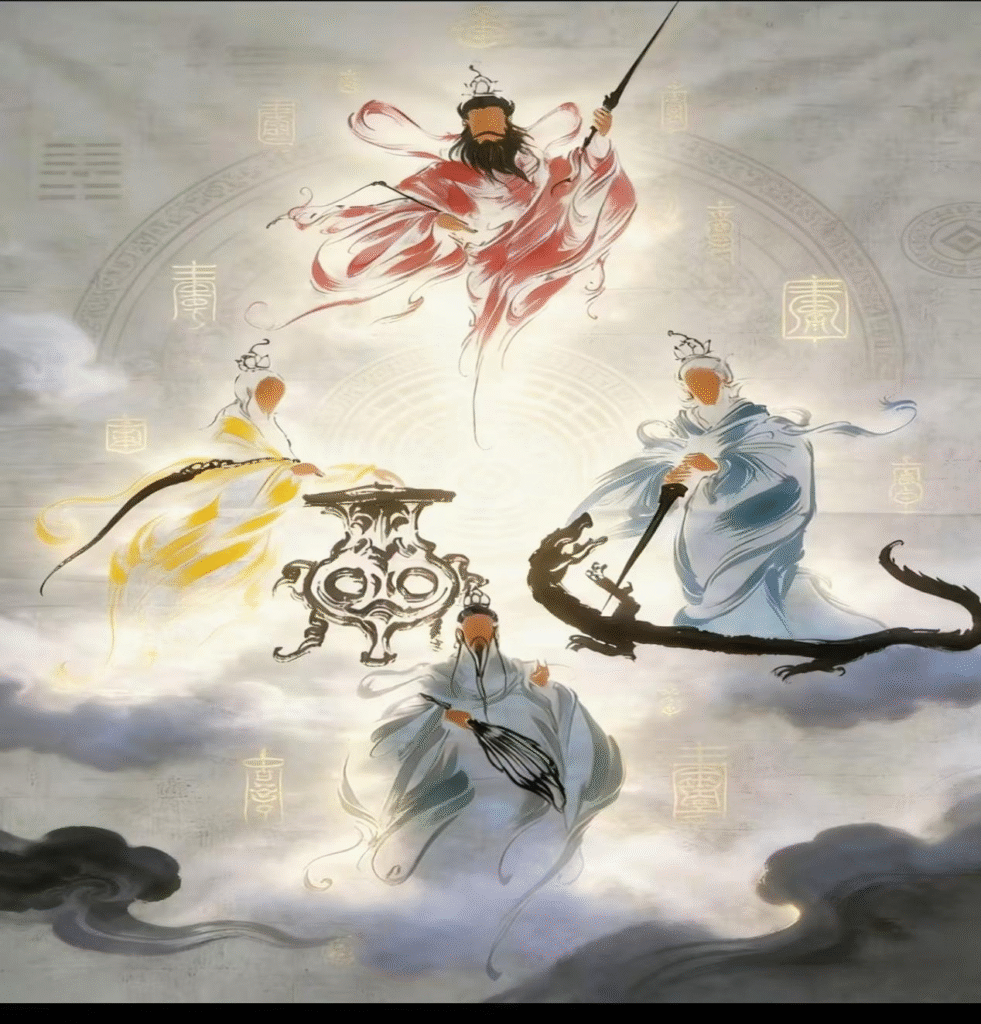
According to traditional belief, the amount of life debt depends on one’s birth year and corresponding cosmic star system:
- Jia / Yi years (East Star): 90,000 coins
- Bing / Ding years (South Star): 30,000 coins
- Wu / Ji years (Center Star): 120,000 coins
- Geng / Xin years (West Star): 70,000 coins
- Ren / Gui years (North Star): 50,000 coins
Additionally, the birth month determines which celestial official manages your spiritual record.
Why Should Life Debt Be Repaid?
You may not remember making this promise, but Taoist philosophy holds that it still affects your present life, reflecting the broader ideas explained in Taoist thought and philosophy.
1. Why Money Feels Hard to Keep
Many people find that despite working hard, wealth never accumulates. Unexpected expenses and financial instability persist.
In Taoist belief, this happens because your earned blessings are being used to repay your life debt unconsciously.
Similar interpretations can also be found in traditional explanations of karmic or “yin debt,” where life challenges are seen as the result of unresolved spiritual obligations carried into the present life.
2. Protection from Destiny Stars
Life debt is connected to your destiny star system, which relates closely to traditional cosmological ideas found in Tao follows nature.When the debt is repaid, celestial forces become more supportive, reducing obstacles and misfortune.
3. Ending Generational Burdens
Taoism teaches that unresolved spiritual obligations may affect future generations. Repayment helps break this cycle and stabilizes family fortune.
4. Why Good Deeds Don’t Always Work
Sometimes, people do good deeds but see no results. This is explained as merit being used first to repay life debt.
Only after clearing the debt can blessings fully manifest in one’s life.
5. Influence on the Afterlife
Taoist texts suggest that repaying life debt leads to better rebirth outcomes, preserving human form and improving future conditions.
Important: This Is Not a Simple Ritual
Traditional Taoist teaching emphasizes that repayment must follow proper ritual procedures performed by ordained priests.
This includes altar setup, scripture chanting, ritual documents, and symbolic offerings made according to classical rules.
It is not equivalent to casually burning paper offerings without proper form or intention.
The Deeper Meaning of Life Debt
The idea of life debt is not about fear, but about responsibility.
It reflects a deeper Taoist principle: that life itself is something received, and therefore something that must be honored and balanced.
Clearing this debt removes obstacles, but living with integrity is what truly builds lasting blessings.
Conclusion
Before birth, you received the conditions for this life through a spiritual agreement.
Understanding and resolving life debt is not just about ritual—it is about restoring balance between destiny, action, and spiritual responsibility.
Related Posts

Ten Yama Kings of the Underworld
The Ten Yama Kings are the ten rulers of the underworld in Taoism and folk [...]
Dec
The Chinese Goddess of Forgetfulness : Meng Po
Mengpo: The Goddess of Forgetfulness in the Taoist Underworld In Taoist belief, Mengpo is the [...]
Dec

Why Your Mind Creates Suffering: A Taoist Guide to Understanding Thoughts and Emotions
Introduction Why Do We Suffer More Than We Need To? There are moments in life [...]
Jul