

Introduction
When people first encounter Taoist ritual implements, they often notice their beautiful craftsmanship, symbolic patterns, and traditional designs. However, choosing a Taoist ritual implement is not simply about selecting an attractive object.
Throughout Chinese history, ritual implements have carried meanings far beyond their physical appearance. They represent philosophical ideas, cultural traditions, and the relationship between human beings and the natural world.
For practitioners, a ritual implement may serve as a reminder of discipline, devotion, and personal cultivation. For collectors and those interested in Taoist culture, these objects provide a way to understand ancient Chinese philosophy through tangible forms.
Unlike ordinary decorative objects, Taoist ritual implements are traditionally selected according to their materials, symbols, craftsmanship, and intended purpose.
Understanding these elements allows people to appreciate not only what an implement looks like, but also the cultural meaning behind it.
This guide explores how to choose a Taoist ritual implement by examining three important aspects:
- the meaning of different materials
- the symbolism behind traditional patterns
- the connection between an object and personal practice
Understanding the Purpose of Taoist Ritual Implements
Before choosing a Taoist ritual implement, it is important to understand what these objects represent within Taoist tradition.
A ritual implement is not simply a tool used during ceremonies. In Taoist culture, it can represent the connection between human intention, natural principles, and spiritual practice.
Many traditional implements were designed based on the Taoist understanding that the universe follows certain patterns of balance and transformation.
For example, symbols such as Yin-Yang and Bagua are not merely decorative patterns. They express ideas about harmony, change, and the relationship between different forces in nature.
Therefore, choosing a ritual implement begins with understanding its meaning rather than focusing only on appearance.
A meaningful object is one that connects with the user’s personal appreciation, cultural understanding, or spiritual practice.
Choosing a Ritual Implement Based on Materials
Materials have always played an important role in Taoist ritual implements.
Traditional craftsmen did not select materials only because of their durability or beauty. Different materials carried symbolic meanings connected with natural elements, philosophical ideas, and traditional beliefs.
Among the most common materials are gold, silver, copper, jade, and wood.
Each material represents a different cultural association.
Gold And Silver Ritual Implements: Symbol of Purity and Yang Energy
Gold has been highly valued in Chinese culture for thousands of years because of its stability, brightness, and resistance to corrosion.
In traditional Taoist thought, gold was often associated with purity, permanence, and the qualities of Yang energy.
Because gold does not easily change over time, it became a symbol of qualities that transcend ordinary transformation.
This symbolism is closely connected with Taoist ideas about refinement and spiritual cultivation.
In Taoist alchemical traditions, gold was often regarded as an image of something purified through repeated refinement.
Silver has a different symbolic meaning from gold.
Its bright but gentle appearance has traditionally been associated with clarity, reflection, and calmness.
Because silver reflects light, it was often connected with ideas of purification and awareness.
In cultural symbolism, silver represents a quieter and more inward quality compared with the stronger Yang symbolism of gold.
For this reason, silver ritual objects are often appreciated for their elegant appearance and association with tranquility.
Choosing According to Taoist Symbols and Meanings
Besides materials, symbols are another important factor when choosing a Taoist ritual implement.
Traditional Taoist symbols were not created merely for decoration. Each pattern represents a specific understanding of the universe, nature, and human existence.
For people interested in Taoist culture, understanding these symbols can provide deeper appreciation of why certain designs appear repeatedly on ritual objects.
Yin-Yang Symbols: Understanding Balance and Harmony
The Yin-Yang symbol is one of the most recognizable symbols in Taoist culture.
Rather than representing opposition or conflict, Yin and Yang describe two complementary aspects that exist together within nature.
The changing relationship between Yin and Yang reflects the natural rhythm of life.
A Yin-Yang pattern on a Taoist ritual implement serves as a reminder that harmony does not come from eliminating differences, but from understanding and balancing them.
This idea reflects the Taoist belief that true stability comes from following natural principles instead of forcing everything into one fixed state.
Bagua Symbols: Representing Natural Change and Order
The Bagua (Eight Trigrams) is another important symbolic system in Taoist culture.
Unlike simple decorative patterns, Bagua represents a way of understanding the relationship between natural forces, change, and the structure of the universe.
Each trigram is composed of broken and unbroken lines, representing different combinations of Yin and Yang qualities. Together, the eight trigrams describe various patterns of transformation found in nature.
In traditional Taoist thought, change is not viewed as disorder. Instead, change follows certain principles and rhythms.
This is why Bagua symbols frequently appear on Taoist ritual implements, such as mirrors, talismans, and ceremonial objects.
The symbol reminds practitioners that life is constantly changing, but meaningful order can still exist within transformation.
A Bagua-patterned ritual implement therefore represents not only protection or tradition, but also the Taoist understanding that humans should learn to adapt while remaining connected with the greater natural order.
Choosing a Ritual Implement Based on Personal Connection
Although materials and symbols provide important guidance, the most meaningful factor when choosing a Taoist ritual implement is often the personal connection between the object and the individual.
Traditional Taoist culture does not emphasize collecting objects simply for possession.
Instead, ritual implements are valued because they can become reminders of personal intention, discipline, and reflection.
A meaningful ritual object may remind a person to cultivate patience, maintain inner balance, or reconnect with traditional wisdom.
For practitioners, the relationship with an implement develops through regular practice and respect.
For collectors and cultural enthusiasts, the connection may come from appreciating craftsmanship, symbolism, and historical meaning.
Therefore, the “right” ritual implement is not necessarily the most expensive one.
It is the object whose meaning, material, and symbolism resonate with the person who chooses it.
Should You Choose a Consecrated Taoist Ritual Implement?
In Taoist tradition, consecration (also known as opening light or consecration ceremony) represents an important process through which a ritual object receives ceremonial recognition and spiritual significance.
However, consecration should not be understood simply as a way to transform an object into a magical item.
From a cultural perspective, consecration represents respect, devotion, and the relationship between human intention and sacred tradition.
A consecrated ritual implement carries additional ceremonial meaning because it has participated in a traditional ritual process.
For many practitioners, this process symbolizes the transition of an object from ordinary craftsmanship into a meaningful spiritual companion.
At the same time, it is important to understand that different Taoist schools and traditions may have different approaches toward consecration practices.
The value of a ritual implement comes not only from the ceremony itself, but also from the craftsmanship, materials, symbolism, and sincere intention behind it.
Learn More about Taoist Ritual Implements Consecrated.
Consecrated Taoist Ritual Implements at Taoist World
(H2)
Understanding how to choose a Taoist ritual implement begins with understanding its deeper meaning. Materials, symbols, craftsmanship, and traditional practices all contribute to the cultural value of a ritual object.
At Taoist World, we believe that a meaningful ritual implement should represent more than its physical appearance. It should reflect the connection between traditional craftsmanship, Taoist symbolism, and personal spiritual practice.
Our Consecrated Taoist Ritual Implements Collection includes ritual objects designed according to traditional Taoist cultural principles. Selected implements can be individually consecrated through traditional Taoist ceremonies performed by qualified Taoist practitioners.
Rather than treating ritual implements as ordinary decorative objects, each piece is created with respect for:
- Traditional Taoist symbolism
- Classical craftsmanship methods
- Meaningful material selection
- The cultural significance of consecration
Whether you are interested in Taoist pendants, ritual objects, protective symbols, or traditional spiritual items, choosing a consecrated ritual implement represents a deeper appreciation of Taoist heritage and philosophy.
Explore the complete collection:
→ Consecrated Taoist Ritual Implements Collection

A traditional Taoist ritual implement is not simply an object to be owned. For many people, it becomes a personal reminder of reflection, respect, and continued cultivation.
Conclusion
Choosing a Taoist ritual implement is ultimately a process of understanding meaning.
The most valuable aspect of a ritual object is not determined only by its material, price, or appearance. Its deeper value comes from the relationship between craftsmanship, cultural tradition, symbolism, and personal intention.
A piece of gold may represent purity and permanence. A piece of wood may remind people of nature and life’s cycles. A symbolic pattern may express ancient wisdom about balance and transformation.
However, these meanings become truly valuable only when they connect with the person who chooses and appreciates them.
Throughout Taoist history, objects have always been considered expressions of human understanding of the universe. A ritual implement is therefore not merely something created by human hands, but also a reflection of how people seek harmony between themselves, nature, and the greater order of existence.
Whether chosen for spiritual practice, cultural appreciation, or personal connection, the right Taoist ritual implement is the one that inspires respect, awareness, and a deeper understanding of tradition.
FAQ
Choosing a Taoist ritual implement depends on your personal purpose, cultural connection, and intention. Key factors to consider include:
Material & Energy: Gold and silver symbolize purity and permanence, while wood represents a connection with nature and vitality.
Traditional Meaning: Look for symbolic patterns that align with your practice (e.g., Yin-Yang for balance, Bagua for protection).
Craftsmanship: Authentic hand-crafted items carry deeper traditional value and aesthetic detail.
The most meaningful choice is always the one that resonates best with your personal intention.
In traditional Chinese culture, different materials carry rich symbolic meanings rooted in historical and cultural traditions:
Gold: Associated with purity, stability, and permanence.
Wood: Represents natural growth and a deep connection with the living world.
Jade: Linked with virtue, harmony, and moral refinement.
These symbolic meanings are derived from centuries of cultural heritage rather than strictly their physical properties.
Taoist symbols express core philosophical ideas about nature, balance, and transformation:
Yin-Yang: Represents harmony between opposing forces and the dynamic balance of nature.
Bagua: Symbolizes the continuous changes, patterns, and structure of Taoist cosmology.
Traditional Patterns: Reflect the interconnectedness and natural flow of the universe.
Rather than mere decoration, these symbols serve as visual pathways to understanding fundamental Taoist concepts.
Handmade Taoist ritual implements are highly valued for their traditional craftsmanship and spiritual resonance:
Craftsmanship & Tradition: Preserves ancient techniques and reflects the individual artistry of the maker.
Uniqueness: Natural variations in materials and handcrafted methods ensure every piece is distinct.
Holistic Value: Beyond being handmade, true value lies in its cultural meaning, symbolism, and personal alignment.
Ultimately, the most meaningful implement is one that connects deeply with your personal intention and practice.
A consecrated Taoist ritual implement carries profound cultural and ceremonial depth through traditional consecration practices:
For Practitioners: Represents sacred devotion, spiritual respect, and a direct lineage connection to religious tradition.
For Collectors & Enthusiasts: Embodies an appreciation for authentic Taoist heritage, ceremonial history, and sacred art.
Cultural Context: Traditions vary across different lineages, making it essential to understand the specific heritage behind each practice.
Consecration bridges the physical implement with centuries of lived spiritual and ceremonial heritage.
Taoist ritual implements hold rich significance that can be appreciated from multiple perspectives:
Spiritual Practice: Essential tools for practitioners that facilitate mindfulness, meditation, and sacred rituals.
Cultural & Artistic Value: Cherished by enthusiasts for their exquisite craftsmanship, historical context, and deep symbolism.
Personal Connection: Resonates uniquely with each individual based on their own path, purpose, and relationship with the object.
Like all sacred cultural objects, their true meaning is ultimately defined by the intention of the person who chooses them.
Related Posts

Why Taoist Ritual Implements Are Made from Precious Metals ?
Introduction For many people encountering Taoist ritual implements for the first time, one question naturally [...]
Aug
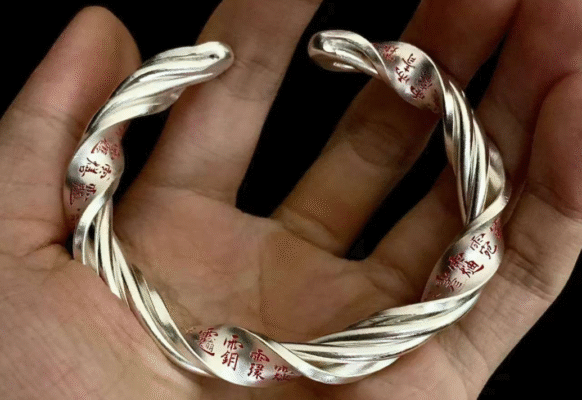
How to Tell Handmade Taoist Ritual Implements from Machine-Made Ones: A Guide to Craftsmanship, Materials, and Authentic Detail
Introduction When people first shop for Taoist ritual implements, especially online, they often find that [...]
Aug
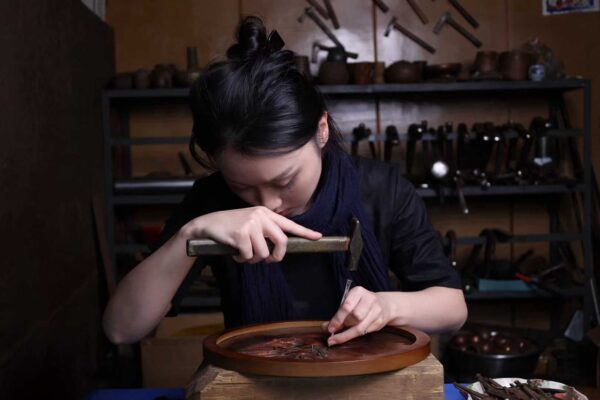
Why Handmade Taoist Ritual Implements Matter: Tradition, Craftsmanship, and Spiritual Meaning
Introduction When people first discover traditional Taoist ritual implements, one question often arises: Why are [...]
Aug