
The Ten Yama Kings are the ten rulers of the underworld in Taoism and folk belief, also known as the Ten Yamas.They jointly govern reincarnation in the underworld. They judge the sins and merits of the deceased. They also determine rewards for good deeds and punishments for evil acts. As a result, they form a structured system of moral judgment similar to Five Directional Ghost Emperors.
Each of the Ten Yama Kings has distinct responsibilities. They conduct trials step by step based on a person’s actions in life. In addition, this system reflects a karmic logic explained in What Is the “Life Debt” (Shou Sheng Zhai)?, and ultimately deciding the direction of their reincarnation.
This judgment system corresponds to the traditional structure of the Ten Courts of Yanluo in the Diyu underworld hierarchy.
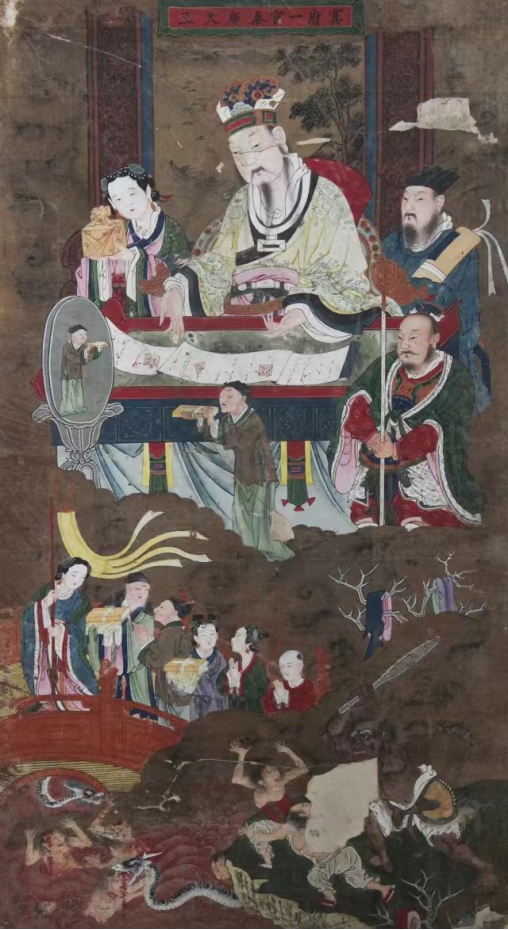
First to Fifth Hall Kings
King Qinguang Jiang of the First Hall
King Qinguang governs lifespan, birth, and death. He also oversees fortune and misfortune in the underworld. First, he examines newly deceased souls. Then, he decides their initial path. Good souls move toward transcendence. Meanwhile, evil souls are sent to other halls for further judgment.
King Chugang Li of the Second Hall
King Chugang presides over the Great Earth Prison. He judges those who caused harm, committed theft, or committed murder. As a result, he assigns punishments such as rib-piercing.
King Songdi Yu of the Third Hall
King Songdi governs the Black Rope Great Earth Prison. He punishes those who were unfilial or caused disputes. For example, punishments include tongue-suspension and eye-gouging.
King Wuguan Lü of the Fourth Hall
King Wuguan judges corruption and abuse of power. He sends guilty souls to suffer in the Mountain of Knives and the Ice Prison. In this way, he maintains moral order.
King Yama Bao of the Fifth Hall
King Yama Bao once served in the First Hall. However, he showed compassion to wrongfully deceased souls. He allowed them to return to the mortal world. As a result, he was reassigned to the Fifth Hall. Now, he judges injustice and protects the weak.
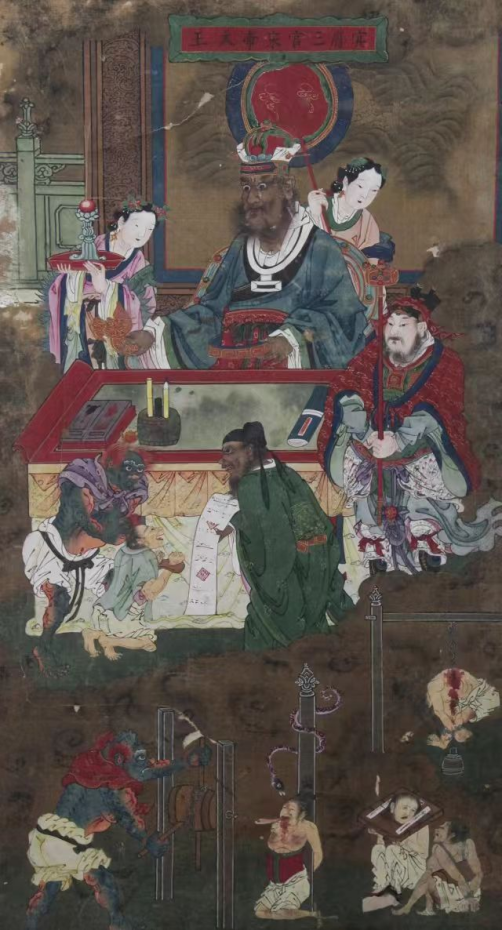
Sixth to Tenth Hall Kings
King Biancheng Bi of the Sixth Hall
King Biancheng rules the Great Crying Prison. He punishes those who disrespected heaven or violated taboos. For instance, punishments include ear-cutting and nose-slashing.
King Taishan Dong of the Seventh Hall
King Taishan oversees the Fiery Agony Prison. He judges grave robbers and those who insulted the gods. Then, he sends them to boiling oil punishments.
King Dushi Huang of the Eighth Hall
King Dushi punishes those who were unfilial or abandoned their elders. As a result, they suffer severe punishments such as skinning and internal torment.
King Pingdeng Lu of the Ninth Hall
King Pingdeng judges serious crimes such as murder and arson. He sends these souls to the Avici Hell. There, punishment continues without end. Therefore, no reincarnation is possible.
King Zhuanlun Xue of the Tenth Hall
King Zhuanlun controls reincarnation. He reviews each soul’s karma. Then, he decides their next life. They may return as humans, become animals, or ascend spiritually. In this way, he ensures balance in the cycle of rebirth.
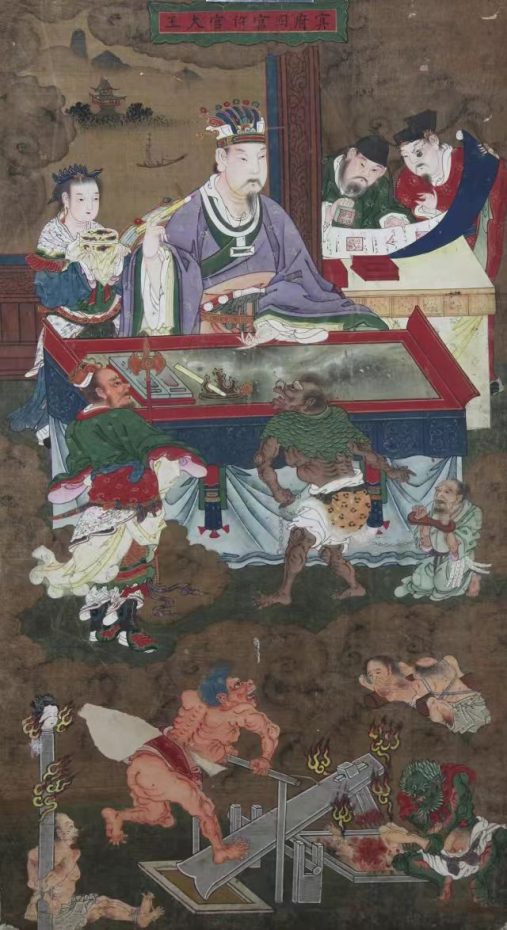
Philosophical and Cultural Meaning
The belief in the Ten Yama Kings integrates the Taoist netherworld system with Confucian ethics and morality, aligning with ethical discipline found in Taoist Taboos: Three Things Not to Ask, Three Things Not to Say, Three Times Not to Rise. It not only warns people to “refrain from all evil and practice all good deeds” but also reflects humanity’s deep desire for justice, order, and karmic balance.
Related Posts
Five Directional Ghost Emperors
The Five Directional Ghost Emperors are powerful deities within the Taoist underworld system. They govern [...]
Dec
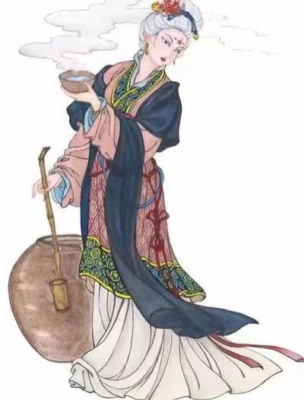
The Chinese Goddess of Forgetfulness : Meng Po
Mengpo: The Goddess of Forgetfulness in the Taoist Underworld In Taoist belief, Mengpo is the [...]
Dec
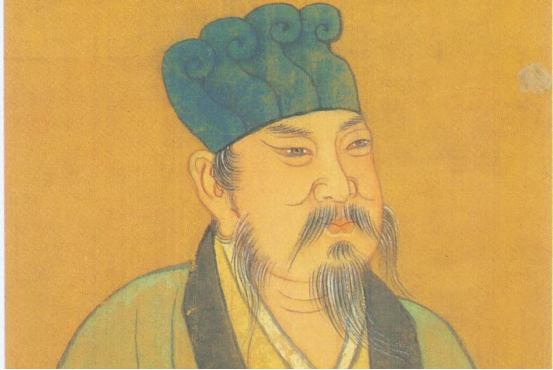
All the Sages of Fengdu: Taoist Netherworld Deities and Their Roles
The Sages of Fengdu are a collective group of deities and spiritual officials within the [...]
Dec