Taoist dharma assemblies are among the most important ceremonial traditions in Taoism, combining scripture chanting, ritual performance, symbolic movements, and communication with the divine. Standard dharma assembly procedures cover most traditional Taoist sacrificial rituals, forming the foundation of formal Taoist worship and ceremonial culture.
Opening Ceremony: Establishing the Sacred Space
The opening stage purifies both the ritual environment and the participants, transforming an ordinary location into a sacred realm where communication with deities becomes possible.
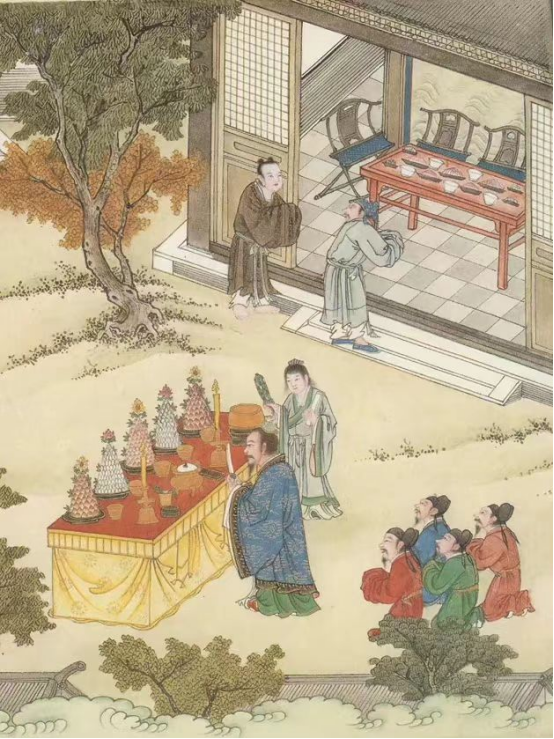
Setting Up the Altar
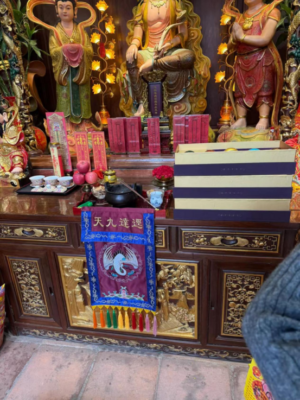
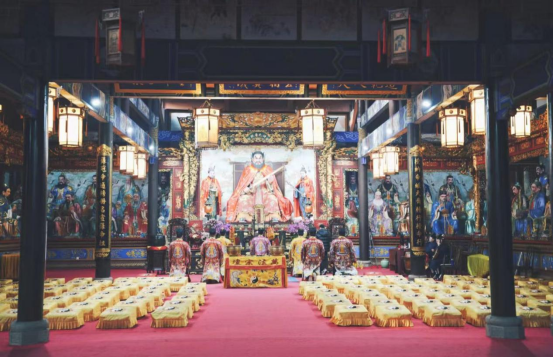
Priests first establish the sacred altar by arranging deity statues, banners, ritual canopies, incense tables, offerings, ceremonial instruments, and scriptures. Common offerings include incense, flowers, lamps, water, and fruits. Every altar layout follows strict Taoist ritual regulations.
Purifying the Altar
The high priest recites purification mantras while sprinkling blessed water around the altar with willow branches or ritual implements.
Purpose of purification:
- Remove spiritual impurities
- Expel negative influences
- Establish a sacred boundary for the ritual
This process symbolizes cleansing both the external environment and the hearts of participants.
Inviting the Masters and Deities
The officiating priest enters a meditative state known as “visualization of deity transformation,” imagining unity with the honored deity while respectfully inviting ancestral masters and heavenly officials to witness and empower the ceremony.
This authorization from the spiritual lineage is considered essential for the ritual’s effectiveness.
Offering Incense and Reporting
Believers perform bows before supreme deities such as the Three Pure Ones and the Jade Emperor. The priest formally announces the beginning of the ceremony through incense offerings and ritual prayers.
This stage functions like formally submitting a sacred request to heaven.
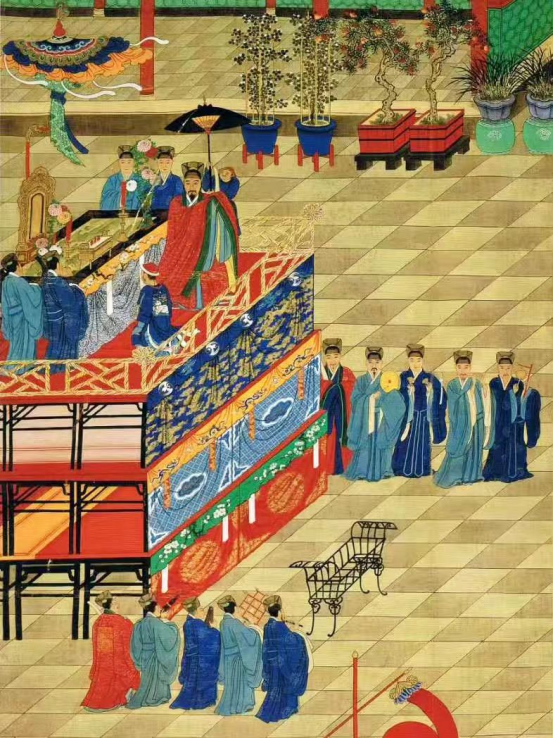
Core Ritual Procedures: Communication with the Divine
The central section of the dharma assembly focuses on prayer, repentance, scripture chanting, and spiritual communication.
Igniting the Sacred Furnace
The priest lights the altar incense burner while chanting opening mantras. At the same time, divine officials, spirit generals, and celestial messengers are summoned to carry prayers to the heavenly realm.
This action symbolizes opening the spiritual communication channel between heaven and humanity.
Scripture Chanting and Repentance
Participants chant Taoist scriptures together, such as:
- Three Officials Scripture
- Jade Emperor Scripture
- Salvation and Repentance Texts
The chanting serves several purposes:
- Accumulating merit
- Purifying negative karma
- Expressing sincerity to the deities
- Seeking blessings and protection
Many classic dharma assemblies are mainly held for the purpose of releasing souls from purgatory, especially during salvation rituals dedicated to deceased spirits.
Presenting Memorial Documents
One of the most sacred moments involves presenting written memorial petitions containing believers’ names and prayers to the deities.
The priest performs ritual walking patterns based on the Big Dipper constellation while visualizing ascension to the celestial court. These symbolic movements represent delivering the prayer requests directly to heaven.
Offering Ritual Gifts
Offerings are presented together with chanting and ceremonial music. Besides material offerings, Taoism emphasizes the importance of “heart offerings,” meaning sincerity and inner devotion.
The ritual creates harmony between humanity and the divine realm.
Closing the Dharma Assembly
After prayers and offerings are completed, the ceremony formally concludes by respectfully sending off the deities and restoring ordinary space.
Sending Off the Deities
The priests burn incense and bow to thank the deities, celestial officials, and ancestral masters for attending the ceremony.
Prayers of gratitude and farewell are then recited.
Returning the Altar to Ordinary Space
The priest symbolically completes the submission of all petitions and closes the spiritual gateway opened during the ceremony.
This marks the successful completion of the ritual work.
Distribution of Blessings
In some ceremonies, blessed offerings are distributed among believers so participants may share in the spiritual merit and auspicious energy generated during the ritual.
Formal consecration ceremonies are conducted strictly in line with complete dharma assembly rules, since consecration itself is considered an important extension of Taoist ceremonial practice.
Important Ritual Elements in Taoist Dharma Assemblies
The Roles of Ritual Specialists
A complete Taoist ceremony usually includes:
- High Priest — main officiant
- Scripture Master — responsible for chanting
- Ritual Musicians — perform sacred Taoist music
- Kitchen Supervisor — prepares ritual offerings
Each role contributes to the harmony and sacred atmosphere of the assembly.
Visualization and Deity Transformation
Throughout the ritual, priests engage in advanced meditative visualization, imagining themselves united with divine beings. This spiritual transformation is considered the internal foundation of ritual power.
Ritual Symbols and Sacred Movements
Important symbolic elements include:
- Talismans used for summoning deities
- Hand seals representing spiritual communication
- Big Dipper walking patterns symbolizing ascension to heaven
- Taoist ritual music used to harmonize spiritual energy
These elements combine movement, sound, symbolism, and meditation into a unified sacred performance.
Cultural Meaning of Taoist Dharma Assemblies
Taoist dharma assemblies are not merely religious ceremonies. They are comprehensive sacred traditions integrating philosophy, music, ritual art, meditation, scripture chanting, and spiritual symbolism.
Their ultimate purpose is to establish harmony between humanity, nature, and the divine world through structured ceremonial practice.
Related Reading:
- The procedures above also form the basis of many Taoist sacrificial rituals practiced in temples and religious festivals.
- Formal consecration ceremonies follow nearly identical ceremonial structures and altar regulations.
- Salvation ceremonies for releasing souls from purgatory remain among the most important traditional Taoist dharma assemblies today.
Related Posts
Zhai and Jiao in Taoism: Purification and Offering Rituals
In Taoist ritual contexts, Zhai (齋) can refer to purification, abstinence or a ritual retreat, [...]
Dec
Taoist Consecration Ceremony: Meaning, Ritual Process, and Spiritual Power
Taoist consecration is a sacred ritual performed by qualified Taoist priests to invite divine spiritual [...]
Dec
Taoist Rituals for Releasing Souls from Purgatory
Releasing souls from purgatory is an important ritual within Taoist funeral ceremonies and sacrificial traditions. [...]
Dec