In Taoist ritual contexts, Zhai (齋) can refer to purification, abstinence or a ritual retreat, while Jiao (醮) is commonly translated as an offering ritual or ceremony. The terms are related, but they are not exact synonyms or a universal two-step sequence. Their meanings and combination vary by historical period and ritual tradition. English translations differ because each term covers more than one use; this page explains their specialized ritual meanings and traditional aims, rather than promising effects.
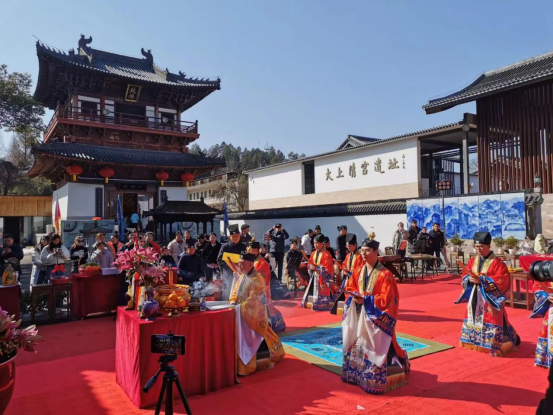
What Does Zhai Mean in Taoist Rituals?
Zhai can describe purification and abstinence, and in liturgical contexts it can also name a ritual retreat. Its meaning is broader than avoiding food. A traditional-practice account explains Zhai purification and abstinence.
Preparatory observances in some traditions may include:
- bathe and change clothes
- abstain from meat and alcohol
- avoid impurity and distractions
- maintain solemnity and sincerity
Reported religious aims include purification, repentance and accumulating merit:
- accumulate virtue
- repent for sins
- purify body and mind
Requirements vary by lineage, ritual manual and occasion; these observances are not universal requirements for every Taoist.
Zhai in Cultivation and Liturgy
Inward cultivation and communal liturgy are distinct contexts in which Zhai terminology appears; they do not form a universal hierarchy.
Mental Fasting in Context
Mental fasting is an inward cultivation idea discussed in Taoist traditions; it should not be treated as identical to every communal Zhai rite.
- mental fasting
Historical Register-Named Retreats
Register-named retreats belong to particular historical classifications. Their functions and eligible patrons differ across sources.
Historical examples include the Three Register Retreat names described in a traditional reference account:
- Golden Register retreat — historically associated with imperial or state petitions
- Jade Register retreat — functions and eligible patrons differ across historical sources
- Yellow Register retreat — associated with deliverance rites
These examples are not an exhaustive system used identically by all Taoists, and their religious aims do not establish guaranteed effects.
Dietary and Purity Observances
Dietary expectations and actual observance vary. Dietary variation is discussed in Deborah Cao’s study of vegetarian culture.
- Vegetarian discipline is associated particularly with Quanzhen monastic rules.
- Some Zhengyi observances involve temporary dietary abstinence around specified rites or periods.
In these contexts, dietary observances express ritual purity and respect toward deities; they are not a single dietary rule for all Taoist practice.
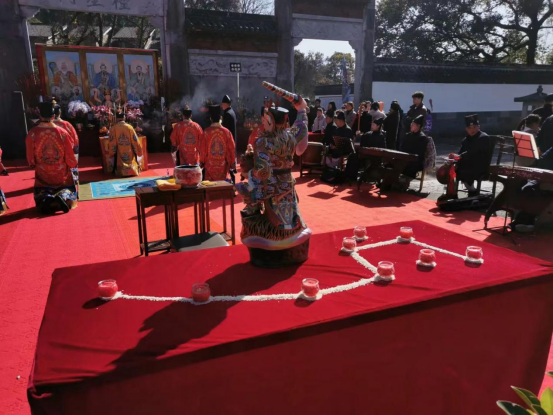
What Does Jiao Mean in Taoist Rituals?
Jiao (醮) is commonly translated as an offering ritual or ceremony. Jiao offering rituals are described in Poul Andersen’s scholarly reference account. Some communal forms are conducted by Taoist priests; their organization varies by tradition and locality.
Jiao rituals may include:
- prayers
- offerings
- chanting scriptures
- ritual petitions
- ceremonial procedures
Some offering rites include petitions for rain or relief from calamity; these are traditional aims rather than promised outcomes.
Offering rites vary by locality and religious purpose.
- prayers for rain in some offering traditions
How Zhai and Jiao Are Related
Zhai and Jiao traditions developed across multiple periods. Zhai-Jiao can serve as an umbrella expression in some contexts, but usage varies.
The combined expression does not mean that every rite follows one fixed sequence or performs an identical function.
Consecration is a related but distinct topic involving sacred objects.
Traditional Ritual Aims and Classifications
Some accounts classify rites using Yin and Yang categories; this is one contextual scheme, not an exhaustive classification of Taoist practice.
Prayers for the Living
In some classifications, Yang rites concern prayers and observances for the living, such as:
- praying for blessings
- prayers for health
- prayers for longevity
- praying for rain or good weather
- celebrating birthdays and festivals
- prayers for national peace and prosperity
Seeking blessings is one traditional ritual aim. Learn more about praying for blessings.
Deliverance Rites and the Deceased
Some deliverance traditions include rites concerning spirits and the deceased, alongside concerns of the living.
These may include religious representations and practices such as:
- summoning souls
- symbolic bridge-crossing
- rites representing release from suffering
- feeding wandering ghosts
These are religious practices and interpretations, not demonstrated interventions in the afterlife. Their aims may concern both the living and the deceased.
Taoist Festivals and Ritual Celebrations
Ritual observances may take place at deity festivals and locally specified dates, with schedules varying by temple and tradition.
- deity birthdays
- seasonal festivals
Participants may understand these ceremonies as expressing relationships between the community and the divine world.
Religious Meaning of Zhai and Jiao
Within these religious interpretations, humanity and the cosmos are understood as interconnected.
Through purification, offerings, chanting and ceremonial order, participants may seek to:
- harmonize with divine forces
- pray for relief from misfortune
- accumulate spiritual merit
- pray for community protection
- assist both the living and the dead
Zhai and Jiao can be understood as forms of religious worship and cultivation. These descriptions concern traditional beliefs and ritual aims, not guaranteed or empirically established effects.
Related Ceremony and Liturgy Topics
For a related procedural introduction, see Introduction to the Procedure of the Dharma Assembly.
Related Posts
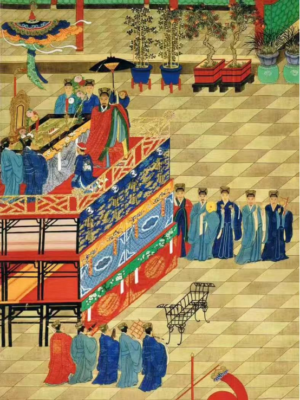
Introduction to the Procedure of the Dharma Assembly
Taoist dharma assemblies are among the most important ceremonial traditions in Taoism, combining scripture chanting, [...]
Dec
Taoist Rituals for Releasing Souls from Purgatory
Releasing souls from purgatory is an important ritual within Taoist funeral ceremonies and sacrificial traditions. [...]
Dec
Taoist Consecration Ceremony: Meaning, Ritual Process, and Spiritual Power
Taoist consecration is a sacred ritual performed by qualified Taoist priests to invite divine spiritual [...]
Dec