
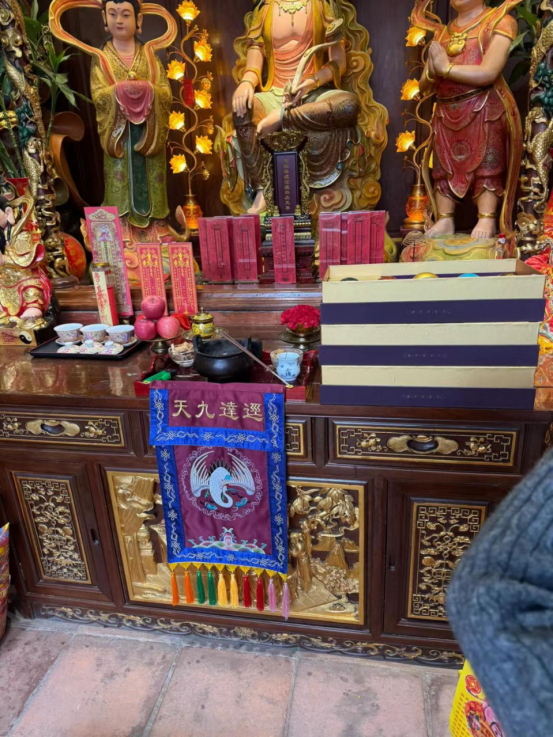
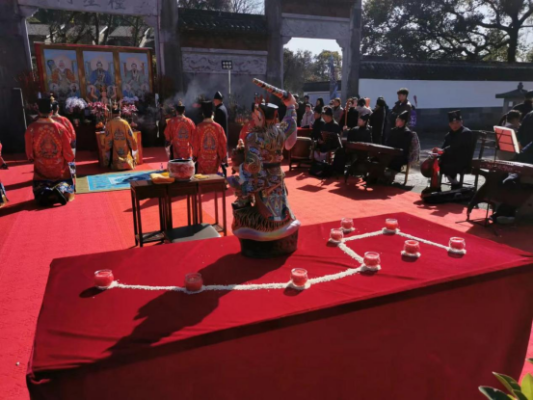
Taoist consecration is a sacred ritual performed by qualified Taoist priests to invite divine spiritual power into statues, ritual tools, and protective objects. Through formal procedures such as altar purification, scripture chanting, deity invocation, and eye-opening rites, ordinary objects become sacred vessels capable of connecting believers with divine protection and blessings.
What Is Taoist Consecration?
In Taoism, consecration refers to the ritual activation of sacred objects. The ceremony symbolizes the arrival of divine presence and the awakening of spiritual energy within an object.
Its essence reflects the Taoist concepts of harmony between heaven and humanity and reverence toward the divine world. Through ritual power, spiritual energy is invited into statues, talismans, and ceremonial tools so they may serve as mediums between gods and believers.
Consecration helps gather auspicious energy and makes wishes of praying for blessings more effective. You can also learn more about pray for blessings and how Taoist believers seek protection and fortune through sacred rituals.
Objects Used in Taoist Consecration
Deity Statues
Consecration is most commonly used for Taoist deity statues and sacred images, including:
- The Three Pure Ones
- The Four Emperors
- Zhenwu Emperor
- various Taoist guardian deities
After consecration, these statues are formally worshipped in Taoist temples or home altars.
Taoist Ritual Implements
Many Taoist ritual tools also require consecration before ceremonial use, such as:
- peachwood swords
- Eight Trigrams mirrors
- talismans
- ritual seals
- spiritual instruments
These objects are believed to gain spiritual protection and ritual authority after the ceremony.
Personal Blessing Items
Personal items may also undergo consecration, including:
- jade pendants
- bracelets
- amulets
- protective charms
Believers wear these objects for peace, safety, fortune, and spiritual protection.
Objects Usually Not Consecrated
Taoist tradition generally does not consecrate:
- ordinary household items
- consumables
- living creatures
- virtual or non-physical objects
Main Procedures of a Taoist Consecration Ceremony
Formal consecration is usually performed following standard Taoist dharma assembly steps. Authentic ceremonies are traditionally conducted by experienced Taoist priests on carefully selected auspicious dates.
Setting Up the Altar
The ceremony begins with preparing a sacred altar.
Offerings typically include:
- incense
- flowers
- lamps
- purified water
- fruits
Special ritual items such as cinnabar ink, mirrors, brushes, and ceremonial instruments are also prepared.
Purification Ritual
The Taoist priest recites sacred incantations such as the Golden Light Mantra while purifying the altar using incense smoke and blessed water.
This step removes negative influences and prepares a spiritually clean environment for the arrival of divine beings.
Inviting the Deities
Through scripture chanting, ritual hand seals, and ceremonial gestures, the priest respectfully invites the deity and guardian spirits to descend upon the altar.
This stage represents the formal connection between the human and spiritual realms.
Spiritual Eye-Opening Ritual
The eye-opening rite is the core part of the consecration ceremony.
Using a consecrated brush dipped in cinnabar mixture, the priest symbolically touches the:
- eyes
- ears
- nose
- mouth
- hands
- feet
of the statue or sacred object.
This act symbolizes awakening spiritual awareness and allowing divine energy to reside within the object.
Completion of the Consecration
After the ritual activation is complete:
- the protective red cloth is removed
- blessing prayers are recited
- the deities are respectfully thanked and sent off
At this point, the object is considered spiritually consecrated.
Important Ritual Objects in Consecration
Cinnabar Pen
The cinnabar brush symbolizes divine authority and is used to channel sacred energy during the eye-opening rite.
Sacred Mirror
The mirror reflects symbolic sunlight and moonlight to dispel evil influences and awaken spiritual clarity.
Golden Rooster Blood
Rooster blood traditionally represents strong yang energy capable of driving away negative spirits and harmful influences.
Purified Water
Blessed water is used to cleanse ritual objects and sacred spaces of impurities before the ceremony begins.
Consecration and Taoist Ritual Traditions
Consecration is an important part of complete Taoist sacrificial rituals and is often included in larger Taoist ceremonies and dharma assemblies.
The ritual combines scripture chanting, ceremonial music, altar offerings, and traditional symbolism into a complete sacred practice that has been preserved for centuries in Taoist culture.
Cultural Meaning of Taoist Consecration
For believers, consecration is not simply about adding “magic” to an object. Instead, it represents:
- spiritual awakening
- divine protection
- harmony between humanity and heaven
- the strengthening of faith
The ceremony also preserves important aspects of traditional Chinese ritual culture and Taoist religious heritage.
Important Precautions After Consecration
After consecration, sacred objects should:
- remain clean and respected
- not be placed in impure environments
- be handled sincerely during worship or wearing
Believers often continue incense offerings or blessing prayers to maintain spiritual connection.
Taoism also emphasizes that authentic consecration should only be performed by legitimate Taoist temples or properly trained masters with ritual lineage.
Spiritual Meaning of Consecration
In Taoist belief, the true power of consecration ultimately comes from sincerity and virtue rather than the object itself.
The ritual serves as a bridge between believers and divine forces, reminding practitioners to cultivate inner harmony, reverence, and spiritual balance.
Related Posts
Introduction to the Procedure of the Dharma Assembly
Taoist dharma assemblies are among the most important ceremonial traditions in Taoism, combining scripture chanting, [...]
Dec
Taoist Rituals for Releasing Souls from Purgatory
Releasing souls from purgatory is an important ritual within Taoist funeral ceremonies and sacrificial traditions. [...]
Dec
Zhai and Jiao in Taoism: Purification and Offering Rituals
In Taoist ritual contexts, Zhai (齋) can refer to purification, abstinence or a ritual retreat, [...]
Dec