
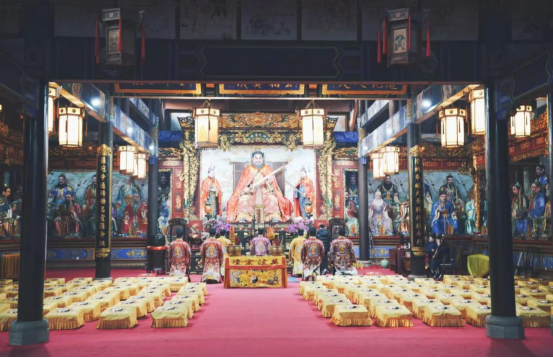
Releasing souls from purgatory is an important ritual within Taoist funeral ceremonies and sacrificial traditions. Through scripture chanting, repentance rites, offerings, and spiritual guidance, Taoist priests help deceased souls escape suffering, remove karmic burdens, and enter a better afterlife or spiritual realm.
Traditional Taoist sacrificial rituals often include rites to release souls from purgatory, especially during funerals, Ghost Festival ceremonies, and large salvation assemblies.
The Core Meaning of Releasing Souls in Taoism
Taoism believes that the souls of the deceased may remain trapped in suffering realms because of karmic burdens, unresolved grievances, or spiritual attachments. Taoist salvation rituals aim to help these souls find peace and liberation.
The practice combines Taoist theology, ancestral worship traditions, and folk funeral culture into a complete spiritual system.
Karma, Responsibility, and Spiritual Liberation
According to Taoist belief, both personal actions and ancestral karma may influence the condition of the soul after death.
Through ritual practices such as:
- scripture chanting
- repentance ceremonies
- memorial offerings
- symbolic salvation rites
priests pray for divine forgiveness and help remove spiritual obstacles preventing peaceful rebirth.
Communication Between Humans and Deities
During the ceremony, Taoist priests communicate with heavenly deities and underworld officials through ritual movements, talismans, memorial documents, and sacred incantations.
Commonly invoked deities include:
- Taiyi Jiuku Tianzun
- Dongyue Emperor
- the Ten Kings of the Underworld
The goal is to guide the deceased soul away from suffering and toward heavenly realms or favorable reincarnation.
Blessings for Both the Dead and the Living
Taoism teaches that unsettled spirits may affect the fortune and harmony of living family members.
Therefore, salvation rituals benefit both:
- the deceased soul, by relieving suffering
- the living relatives, by bringing peace, protection, and harmony
Performing rituals to release souls from purgatory can also bring good luck and help people pray for blessings smoothly according to Taoist belief.
Main Types of Souls Requiring Salvation Rituals
Ancestor Spirits
The most common purpose is to honor deceased relatives and guide them peacefully into the afterlife, especially those who died unexpectedly or without descendants.
Infant and Aborted Souls
Some Taoist folk traditions believe special rituals are needed to comfort unborn or prematurely deceased child spirits and guide them toward peaceful rebirth.
Wandering Spirits and Lonely Ghosts
Large public salvation ceremonies during the Ghost Festival often pray for homeless spirits and forgotten souls, reflecting Taoism’s compassionate ideal of universal salvation.
Main Procedure of Taoist Soul-Releasing Rituals
Releasing souls from purgatory follows fixed steps in standard Taoist dharma assemblies. These ceremonies are highly structured and follow traditional ritual regulations.
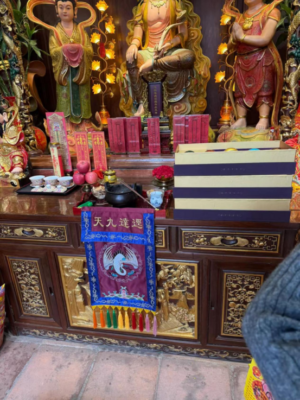
Setting Up the Funeral Altar
The ceremony begins with preparing a sacred salvation altar dedicated to deities associated with the underworld and salvation.
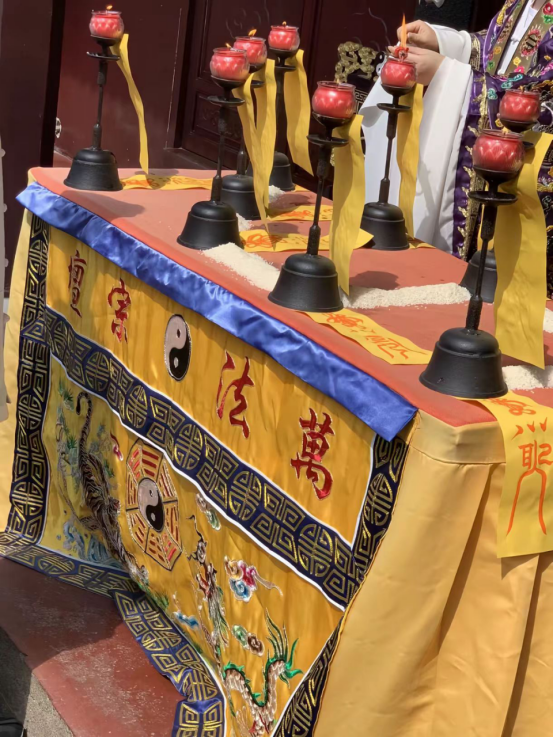
Offerings usually include:
- incense
- candles
- purified water
- vegetarian food offerings
- memorial tablets
Ritual objects such as soul-guiding banners and talismans are also prepared.
Purifying the Ritual Space
The Taoist priest performs purification rites through blessed water, incense smoke, and sacred chanting.
This step removes negative spiritual influences and creates a sacred environment for the ceremony.
Summoning the Soul
Through incantations and talismans, the priest respectfully invites the spirit of the deceased to enter the altar and participate in the ritual.
A memorial tablet is placed to represent the soul during the ceremony.
Scripture Chanting and Repentance
Priests and participants chant salvation scriptures such as:
- Scripture of Salvation
- Taiyi Salvation Scripture
- Rebirth Mantras
These chants are believed to:
- remove karmic obstacles
- relieve suffering
- accumulate spiritual merit
- guide the soul toward liberation
Offering Food and Memorial Petitions
The priest burns written memorial petitions reporting the requests of the family to heavenly and underworld authorities.
Food offerings are also presented symbolically to relieve the hunger and suffering of wandering spirits.
Breaking the Underworld Prison
Some advanced salvation ceremonies include symbolic rituals for “breaking the prison” of the underworld.
Using ritual swords, sacred gestures, and ceremonial walking patterns, the priest symbolically destroys spiritual barriers imprisoning the soul.
This represents liberation from suffering and darkness.
Guiding the Soul Toward Rebirth
The final stage involves praying for divine guidance toward heavenly realms or favorable reincarnation.
After the salvation process is complete:
- the deities are respectfully thanked
- the altar is dismantled
- the ceremony formally ends
Differences Between Taoist Schools
Zhengyi Tradition
The Zhengyi school emphasizes:
- elaborate ritual procedures
- talismans and incantations
- strong integration with folk funeral customs
These ceremonies are often performed for families and local communities.
Quanzhen Tradition
The Quanzhen school places greater focus on:
- inner spiritual cultivation
- merit transfer through meditation and scripture chanting
- simplified ceremonial forms
The priest’s personal spiritual cultivation is considered central to helping the deceased.
Connection with Chinese Folk Culture
Taoist salvation rituals are closely connected with Ghost Festival traditions and ancestor worship customs throughout Chinese culture.
Practices such as:
- river lantern floating
- spirit offerings
- ancestral memorial ceremonies
all reflect the influence of Taoist salvation beliefs.
Spiritual Meaning of Releasing Souls from Purgatory
In Taoism, salvation rituals are expressions of compassion, filial respect, and spiritual responsibility.
The ceremonies aim not only to comfort the dead but also to restore harmony between the human world, the spiritual world, and the natural order of the universe.
Related Posts
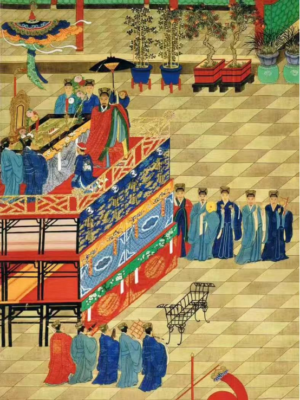
Introduction to the Procedure of the Dharma Assembly
Taoist dharma assemblies are among the most important ceremonial traditions in Taoism, combining scripture chanting, [...]
Dec
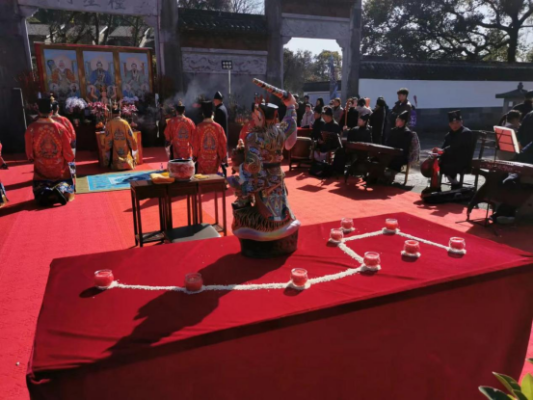
Zhai and Jiao in Taoism: Purification and Offering Rituals
In Taoist ritual contexts, Zhai (齋) can refer to purification, abstinence or a ritual retreat, [...]
Dec
Taoist Consecration Ceremony: Meaning, Ritual Process, and Spiritual Power
Taoist consecration is a sacred ritual performed by qualified Taoist priests to invite divine spiritual [...]
Dec