
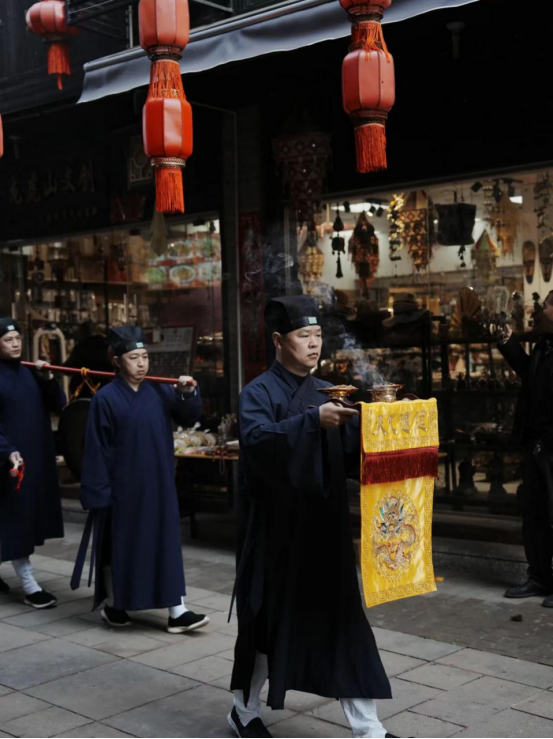
Pray for blessings in Taoism is a traditional religious practice in which believers seek protection, peace, health, prosperity, and spiritual harmony through rituals, offerings, and sincere devotion to Taoist deities. Rooted in the Taoist belief of the interaction between heaven and humanity, these practices establish a sacred connection between humans and the divine world.
The Core Meaning of Pray for Blessings in Taoism
Taoism teaches that heavenly deities oversee cosmic order, human destiny, and the balance of fortune and misfortune. Through sincerity, self-discipline, and ritual worship, believers can receive divine protection, avoid disasters, and improve their lives.
At the same time, Taoism emphasizes morality and virtue. Blessings are believed to arise not only from prayer itself, but also from accumulating good deeds and maintaining righteous conduct.
People usually carry out pray for blessings activities through formal Taoist sacrificial rituals.
Main Taoist Deities for Blessings
Supreme Taoist Deities
Commonly worshipped supreme deities include:
- The Three Pure Ones — seeking wisdom and spiritual protection
- The Jade Emperor — governing the three realms
- The Ziwei Emperor — removing disasters and misfortune
- The Earth Mother Goddess — protecting peace and stability
Special Taoist Deities
Different wishes correspond to different gods:
- Zhenwu Emperor — peace and protection from evil
- Wenchang Emperor — academic success and career advancement
- Zhao Gongming (God of Wealth) — prosperity and financial luck
- Child-Giving Goddess — fertility and offspring
- Medicine Gods — healing and health
Local Guardian Deities
Believers also pray to regional gods such as:
- City God — protecting local communities
- Earth God — safeguarding homes and land
Common Types of Blessing Prayers
Peace and Safety Blessings
The most common Taoist prayer focuses on:
- family safety
- smooth travel
- peaceful living
- protection from disasters
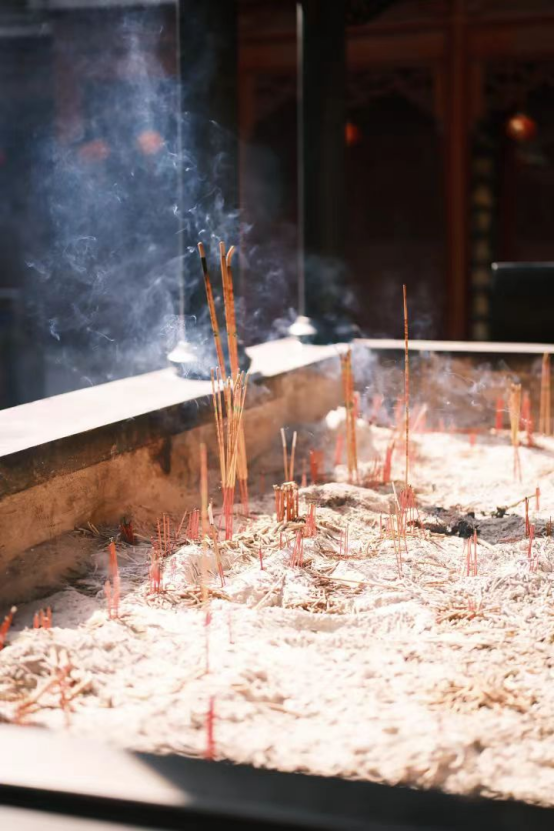
These prayers are especially popular during festivals like Lunar New Year and Qingming Festival.
Academic and Career Blessings
Students often pray to Wenchang Emperor for:
- examination success
- wisdom
- academic progress
Working adults seek career advancement and smooth professional development.
Wealth and Prosperity Blessings
Believers worship wealth deities to pray for:
- successful business
- stable finances
- prosperity and abundance
Marriage and Fertility Blessings
Many people pray for:
- harmonious relationships
- suitable marriage partners
- healthy children and family continuation
Disaster Relief and Healing Blessings
When facing illness or hardship, believers pray for:
- recovery from sickness
- removal of bad luck
- restoration of harmony and fortune
Worship of the Dipper is a classic Taoist way to pray for blessings and ward off misfortunes.
Personal and Group Blessing Rituals
Personal Prayer Rituals
Daily blessing rituals are usually simple and sincere.
Typical steps include:
- cleansing the body and mind
- burning incense
- bowing before the deity
- silently making wishes
- offering respect through kneeling or kowtows
Believers often promise to perform charitable acts or return offerings if their wishes are fulfilled.
Formal Taoist Blessing Ceremonies
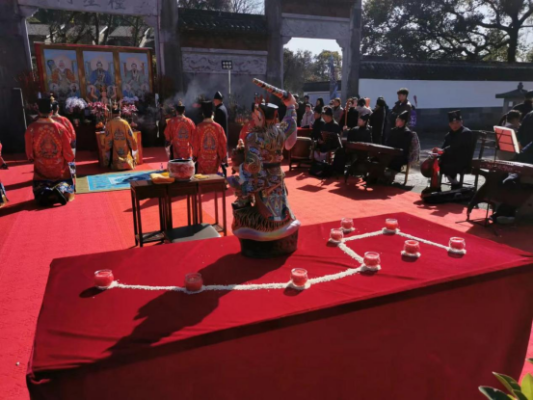
Large-scale Taoist blessing ceremonies are conducted by Taoist priests.
These rituals may include:
- altar construction
- scripture chanting
- ritual petitions
- talismans and sacred documents
- summoning deities through liturgical rites
The purpose is to amplify spiritual connection and collective blessings.
Consecration can boost spiritual power and make people’s wishes of praying for blessings easier to come true.
Important Customs and Taboos
Fulfilling the Vow
After a prayer is answered, believers are expected to fulfill their vows by:
- returning to the temple
- offering incense
- donating to religious causes
- performing charitable deeds
Breaking promises to the gods is traditionally considered disrespectful.
Choosing Auspicious Dates
Common blessing days include:
- the 1st and 15th days of each lunar month
- Lunar New Year ceremonies
- deity birthdays
- personal zodiac-related rituals
Ritual Etiquette
When entering Taoist temples, believers should:
- remain respectful and quiet
- avoid stepping on thresholds
- use clean offerings
- maintain sincere intentions
Impure or disrespectful behavior is traditionally avoided.
Differences Between Taoist Schools
Zhengyi School
The Zhengyi tradition emphasizes:
- ritual ceremonies
- talismans and incantations
- large public blessing rites
- practical religious services for communities
Quanzhen School
The Quanzhen tradition focuses more on:
- inner cultivation
- meditation and self-discipline
- spiritual sincerity
- harmony between prayer and moral cultivation
Its rituals are generally simpler and place greater emphasis on spiritual refinement.
The Spiritual Meaning of Pray for Blessings
Taoist blessing practices are not simply requests for fortune. They reflect the deeper Taoist worldview that human destiny is connected with cosmic harmony, morality, and spiritual balance.
Through prayer, ritual, virtue, and sincerity, believers seek harmony between themselves, nature, and the divine.
Related Posts
Why Can Taoist “Worship of the Dipper” Bring Blessings and Eliminate Disasters?
Legend has it that Zhuge Liang once set up an altar at Wuzhangyuan to perform [...]
Mar
Introduction to the Procedure of the Dharma Assembly
Taoist dharma assemblies are among the most important ceremonial traditions in Taoism, combining scripture chanting, [...]
Dec
Zhai and Jiao in Taoism: Purification and Offering Rituals
In Taoist ritual contexts, Zhai (齋) can refer to purification, abstinence or a ritual retreat, [...]
Dec