
The Origin and Status of the Sea King of Wells
King Jinghai, also known as the Sea King of Wells, is an important high-ranking deity in the Taoist water god system. He governs the Four Great Rivers — the Yangtze River, Yellow River, Huai River, and Ji River — and acts as a central administrator between heavenly water authorities and local river deities. In Taoist cosmology, he receives orders from the celestial court and works alongside the dragon kings to maintain harmony within earthly waterways.
Unlike the dragon rulers connected to the seas, the Sea King of Wells is regarded as an immortal official appointed by Heaven rather than a dragon deity by bloodline. His role reflects the ancient Chinese understanding that rivers required both divine supervision and administrative order. Similar water administration concepts also appear within the broader structure of Taoist cosmology and sacred geography, including beliefs connected to the Four River Source Kings.
Core Duties of the Sea King of Wells
Supervising the Four Great Rivers
The Sea King of Wells directly oversees the river gods governing the four major waterways of ancient China. His responsibilities include coordinating water flow, reducing conflict between river systems, and preventing catastrophic floods that could threaten agriculture and settlements.
Through this role, he became a symbolic guardian of hydraulic stability within traditional Chinese civilization.
Conveying Heavenly Orders
As a celestial administrator, King Jinghai transmits the commands of Heaven to regional water deities. During periods of drought, storms, or flooding, he assists in organizing divine responses together with river gods and dragon kings.
Taoist ritual traditions often invoke water deities during ceremonies related to rainmaking and disaster prevention. Similar ritual systems can also be found within beliefs surrounding the Water Emperor of the Nine Rivers, who governs tributary waterways across the realm.
Protecting Shipping and Agriculture
Ancient Chinese society depended heavily on rivers for transportation, irrigation, and commerce. The Sea King of Wells therefore became an important protector of shipping routes and agricultural water systems.
Boatmen, fishermen, merchants, and farming communities historically prayed to him for calm waterways, successful harvests, and protection against disasters caused by unstable rivers.
Maintaining Water Order and Ecological Balance
In Taoist belief, rivers were inhabited by numerous aquatic spirits and supernatural beings. King Jinghai supervised these beings and ensured they did not disturb the human world. This role reflects the Taoist ideal of maintaining balance between nature, humanity, and the spiritual realm.
The concept of balancing natural forces is also closely connected to Taoist teachings regarding sacred mountains and regional divine governance, such as the system described in the Great Emperors of the Five Great Mountains tradition.
Religious Influence and Folk Worship
The Sea King of Wells held an important place in both official state rituals and local folk religion. Temples dedicated to river and water deities were commonly built near major waterways, where seasonal sacrifices were performed to pray for flood prevention and prosperous harvests.
In Taoist ceremonies, priests invoked the Sea King of Wells alongside dragon kings and river gods when conducting rituals for rainfall, flood control, or purification of polluted waters.
His image usually appears as a majestic celestial official wearing flowing robes decorated with water or dragon patterns, symbolizing authority over rivers and waterways.

Cultural Legacy of the Sea King of Wells
The belief in the Sea King of Wells reflects the ancient Chinese dependence on river systems and their deep respect for natural forces. Rivers were viewed not merely as geographical features, but as sacred lifelines requiring divine order and spiritual protection.
Within Taoist theology, King Jinghai represents the ideal of harmony between Heaven, nature, and humanity. His worship preserves the cultural memory of ancient flood control traditions, water management systems, and the spiritual importance of rivers in Chinese civilization.
Related Posts
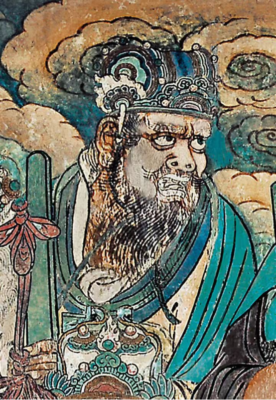
The Five Water Deities in Taoism: Guardians of Seas, Rivers, and Sacred Waters
The Five Water Deities are among the most important water gods in Taoist belief. They [...]
Dec
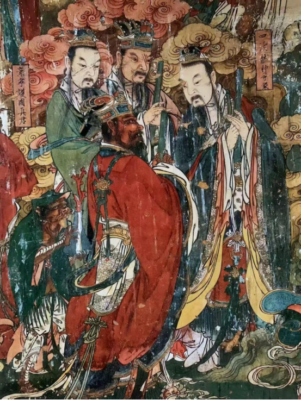
The Four River Source Kings in Taoism: Guardians of China’s Sacred Rivers
The Four River Source Kings are revered water deities in Chinese mythology and Taoism, each [...]
Dec
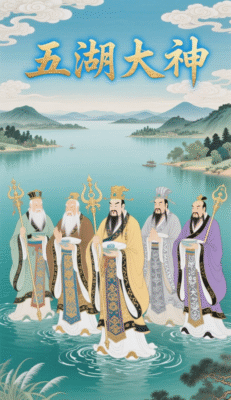
The Great Deities of the Five Lakes in Taoism
The Great Deities of the Five Lakes are important water gods in Taoism and Chinese [...]
Dec