
Jiujiang Shuidi, commonly translated as the Water Emperor of the Nine Rivers, refers to a group of river deities within the Taoist water-god system who govern the nine major river systems of the world. Originating from ancient river worship and later incorporated into Taoist theology, these deities serve under the authority of the Water Official Emperor and the celestial thunder administration.
In the Taoist cosmological structure, the Water Emperor of the Nine Rivers works alongside the Four River Source Kings and other regional water deities to maintain the balance of rivers, irrigation systems, and inland waterways. Their primary responsibilities include regulating river flow, preventing floods, protecting agriculture, and ensuring safe transportation along riverbanks.
Origins of the Nine Rivers Belief
The concept of the “Nine Rivers” has several interpretations in ancient Chinese texts.
The Book of Documents – Yu Gong records that “the Nine Rivers are abundant and flourishing,” which many scholars interpret as referring to the major tributaries connected to the Yangtze River basin. Other traditions believe the term refers to the principal rivers distributed throughout the ancient Nine Provinces of China.
As Taoism absorbed ancient river worship traditions, the deities governing these waterways became collectively known as the Water Emperors of the Nine Rivers.
Unlike oceanic dragon kings who govern vast seas, these deities primarily oversee inland river systems and tributaries that sustain agriculture and local communities.
Their administrative role within the sacred geography of China shares similarities with the territorial divine structure found in The Source Kings of the Four Great Rivers.
Appearance and Symbolism of the Water Emperor of the Nine Rivers
The Water Emperors are traditionally portrayed as solemn celestial officials dressed in robes reflecting the colors of the rivers under their jurisdiction.
Depending on regional traditions, their robes may appear:
- green
- yellow
- black
They commonly hold:
- water-pattern jade tablets
- river maps
- ceremonial scepters symbolizing authority over currents and waterways
Some statues and paintings also incorporate dragon imagery, reflecting their close relationship with aquatic creatures and the spiritual forces of water.
The dignified appearance of these deities symbolizes order, balance, and the sacred responsibility of controlling natural water systems.
Core Divine Functions
Regulation of River Flow
One of the primary duties of the Water Emperor of the Nine Rivers is maintaining stable water circulation throughout the river system.
Some deities oversee upper river regions to preserve water sources and prevent drought, while others supervise middle and lower river channels to reduce sediment buildup and flood risks.
Through this division of responsibilities, the Nine Rivers system symbolizes an organized celestial management structure for inland waterways.
Flood Prevention and Agricultural Protection
Flood control has always been one of the most important concerns in ancient Chinese civilization.
The Water Emperors are believed to stabilize river conditions, prevent catastrophic flooding, and protect farmland located near riverbanks.
Farmers traditionally prayed to these deities for:
- sufficient rainfall
- fertile irrigation
- protection from floods
- stable harvests
Their worship reflects the deep connection between water management and agricultural survival in traditional Chinese society.

In addition to regulating water flow, the Water Emperors also protect shipping routes and riverside communities.
They are believed to safeguard:
- fishing boats
- merchant vessels
- river crossings
- ferry routes
Folk belief also holds that they supervise aquatic spirits and prevent dangerous water creatures from harming nearby residents.
Rituals and Worship Traditions
Throughout imperial Chinese history, local governments often established water deity temples near important rivers or river sources.
Seasonal sacrificial ceremonies were conducted during spring and autumn to pray for:
- stable rivers
- favorable weather
- abundant harvests
- public safety
During periods of flood or drought, ordinary people frequently visited water temples to burn incense and pray for divine assistance.
In Taoist rituals, priests may invoke the Water Emperor of the Nine Rivers during rain-making ceremonies and disaster-relief rites. These rituals often involve cooperation between river deities and larger celestial water systems associated with dragon gods and thunder deities.
Position Within the Taoist Water Deity System
Within the hierarchy of Taoist water gods, the Water Emperor of the Nine Rivers occupies an intermediate but highly important position.
Their status is:
- lower than the Four Seas Dragon Kings
- lower than the Five Dragon Kings
- higher than local stream spirits and well deities
Their duties closely resemble those of The Dragon Kings of the Four Seas, although the latter focus primarily on oceans and maritime regions rather than inland tributaries.
Together, these divine systems form a complete sacred administration governing the waters of the world.
Cultural Influence and Symbolic Meaning
The belief in the Water Emperor of the Nine Rivers reflects the ancient Chinese understanding that rivers are sacred lifelines connecting heaven, earth, and humanity.
These deities symbolize:
- harmony between humans and nature
- protection against natural disasters
- agricultural prosperity
- stability of transportation and trade
- spiritual purification through water
Even today, river deity traditions continue to influence regional temple culture, folk rituals, and Taoist religious symbolism throughout China.
Related Posts
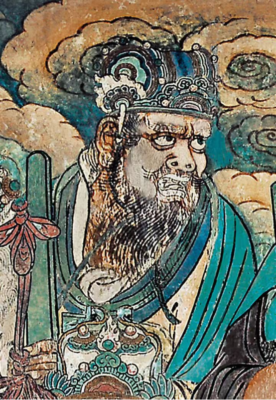
The Five Water Deities in Taoism: Guardians of Seas, Rivers, and Sacred Waters
The Five Water Deities are among the most important water gods in Taoist belief. They [...]
Dec
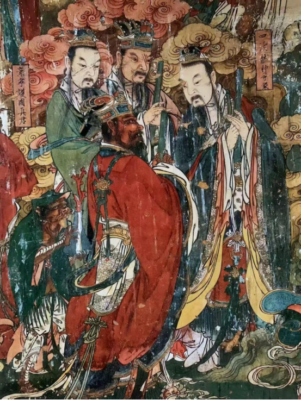
The Four River Source Kings in Taoism: Guardians of China’s Sacred Rivers
The Four River Source Kings are revered water deities in Chinese mythology and Taoism, each [...]
Dec
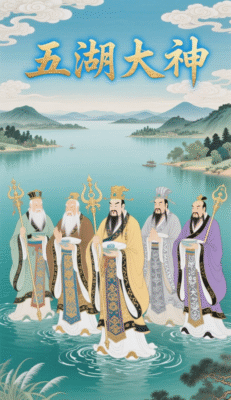
The Great Deities of the Five Lakes in Taoism
The Great Deities of the Five Lakes are important water gods in Taoism and Chinese [...]
Dec