
Also known as the Immortals of the Six Heavenly Palaces, the True Spirits of the Six Heavenly Palaces in Luofeng are six powerful rulers within the Taoist underworld system. They serve beneath the Great Emperor of Northern Yin Fengdu and govern important aspects of judgment, punishment, karmic balance, and reincarnation.
According to Taoist scriptures such as Declarations of the Perfected and Elucidating the Subtle Secrets of the Netherworld, these spirits reside within six heavenly palaces located on Mount Luofeng in the northern ghost realm. Each palace corresponds to spiritual caves connected to the realms above and below the mountain.
Together, the six True Spirits form a complete underworld administration based on the Taoist principle that good and evil deeds inevitably receive corresponding rewards or punishments. Their authority also made them important figures in folk rituals related to exorcism, protection, soul pacification, and the removal of misfortune.
Origins and Religious Position
The Six Heavenly Palaces of Luofeng occupy an important position within Taoist netherworld cosmology. Taoist belief describes Mount Luofeng as one of the major spiritual centers governing the dead. The six palaces function as judicial and administrative institutions responsible for processing souls after death.
Unlike ordinary ghost officials, the True Spirits possess authority over large sections of the underworld system. Their responsibilities include trials, karmic calculations, punishment enforcement, absolution, supervision of ghost officials, and reincarnation management.
The broader structure of the Taoist underworld hierarchy is further explained in All the Sages of Fengdu.
The structure of the Taoist underworld was traditionally viewed as part of a broader Celestial Court system that governed both heavenly and netherworld administration.
The Six True Spirits and Their Roles in the Taoist Underworld
1.The True Spirit of Zhoujue Yinyin Heavenly Palace
The True Spirit of the Zhoujue Yinyin Heavenly Palace oversees the preliminary judgment of deceased souls. This palace examines the sins committed during mortal life and determines the first stage of punishment or investigation.
Because of this responsibility, the palace acts as the first judicial checkpoint encountered by souls entering the underworld. Taoist traditions describe this process as essential for maintaining cosmic justice and moral balance.
2.The True Spirit of Taisha Liangshi Zong Heavenly Palace
The True Spirit of the Taisha Liangshi Zong Heavenly Palace calculates karmic retribution and determines the blessings or hardships that will appear in the next incarnation.
This palace also evaluates fortune, destiny, and the spiritual consequences of past actions. As a result, it establishes the general framework for a soul’s future rebirth.
The relationship between karma, destiny, and reincarnation also appears in Mengpo: The Goddess of Forgetfulness in the Taoist Underworld.
3.The True Spirit of Mingchen Naifan Wucheng Heavenly Palace
The True Spirit of the Mingchen Naifan Wucheng Heavenly Palace suppresses violent ghosts and carries out severe punishments against souls guilty of major crimes.
Taoist belief portrays this palace as one of the harshest areas within the underworld system. Its officials enforce heavenly law through punishment and prevent dangerous spirits from disrupting cosmic order.
Many underworld enforcement traditions associated with spirit punishment are also reflected in Niu Tou Mahai.

4.The True Spirit of Tianzhao Zuiqi Heavenly Palace
The True Spirit of the Tianzhao Zuiqi Heavenly Palace specializes in purification and absolution. This palace helps souls remove resentment, cleanse spiritual impurities, and prepare for eventual liberation.
Souls with lighter offenses may receive opportunities for redemption and early rebirth after purification. Therefore, this palace represents mercy and spiritual transition within the underworld system.
5.The True Spirit of Zongling Qifei Heavenly Palace
The True Spirit of the Zongling Qifei Heavenly Palace supervises underworld officials and investigates unjust judgments. It also punishes violations against heavenly law and maintains fairness throughout the netherworld bureaucracy.
Because of this supervisory role, the palace acts as an important safeguard against corruption and imbalance within the spirit world.
The judicial administration of the underworld is explored further in Underworld Judge.
6.The True Spirit of Gansi Lianwan Lü Heavenly Palace
The True Spirit of the Gansi Lianwan Lü Heavenly Palace governs reincarnation and verifies the final destination of souls. This palace operates under the authority of the Northern Bright Duke Wu Jizha.
After all judgments and punishments conclude, this palace determines whether a soul will return to the human world, enter another realm, or proceed toward spiritual transcendence.
For this reason, the palace symbolizes both the conclusion of the soul’s underworld journey and the beginning of a new cycle of existence.
Folk Belief and Cultural Meaning
In Taoist folk traditions, believers often recite the names of the Six Heavenly Palaces during rituals intended to ward off evil spirits and protect the living from misfortune.
Some traditions also claim that knowledge of the palace gates and their sacred names can repel ghosts and harmful spiritual forces. Consequently, the Six Heavenly Palaces became important symbols of cosmic justice, karmic order, and spiritual authority within Chinese religious culture.
Their stories continue to reflect the Taoist belief that moral actions shape both earthly destiny and the fate of the soul after death.
Modern academic studies on Taoist concepts of the underworld and karmic judgment continue to examine how these spiritual bureaucracies shaped traditional Chinese religious thought.
Related Posts
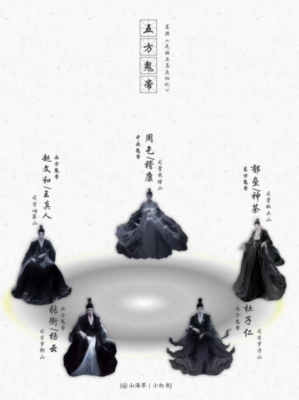
Five Directional Ghost Emperors
The Five Directional Ghost Emperors are powerful deities within the Taoist underworld system. They govern [...]
Dec
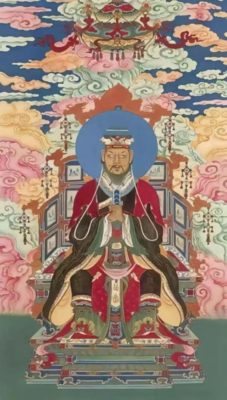
Hades Great Emperor: Supreme Ruler of the Taoist Underworld
The Hades Great Emperor, also known as the Fengdu Emperor or the Northern Yin Emperor, [...]
Dec
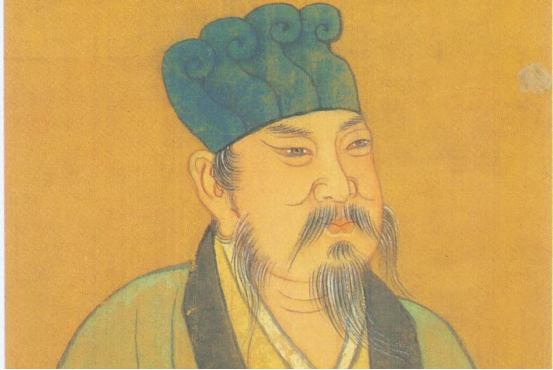
All the Sages of Fengdu: Taoist Netherworld Deities and Their Roles
The Sages of Fengdu are a collective group of deities and spiritual officials within the [...]
Dec