Introduction When people first start reading about Chinese philosophy, they often encounter both “Taoism” and “Daoism” — sometimes in the very same article — and reasonably wonder whether these refer to two different traditions, two different schools of thought, or simply a spelling inconsistency. The confusion is understandable. The explanation, however, has little to do […]
Tag Archives: Tao Te Ching
Introduction When people first ask how Taoism began, they often expect a simple answer — a founder, a date, and perhaps a single moment when the religion came into existence. The traditional story is much more subtle. It begins with an elderly scholar, an aging court official, a journey toward the western frontier, and a […]
Introduction Why Do We Overthink? Many people struggle with overthinking. A past mistake keeps replaying in the mind, future uncertainties create anxiety, and simple decisions become difficult because of endless analysis. While thinking is a natural part of life, excessive thinking often leads to stress, mental exhaustion, and a sense of being disconnected from the […]
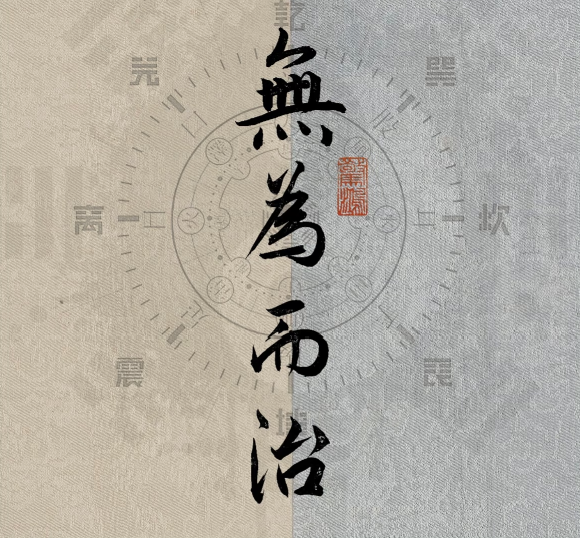
Governing by Non-Interference in Taoist Philosophy The Taoist principle of governing by non-interference, often associated with the concept of Wu Wei, is one of the most important political and philosophical teachings in Taoism. Originating from the ideas of Laozi in the Tao Te Ching, it advocates governing in accordance with natural laws rather than through […]
Introduction When people first explore Taoism, they often assume it refers to a single, unified tradition. In practice, the word covers two related but distinct layers — a philosophical school of thought, and a fully organized religion — that developed at different times and serve different purposes. Although Daoism and Taoism are deeply connected historically, […]
Introduction When people first encounter the phrase “Tao follows nature,” they often assume it is simply poetic language about appreciating the natural world. Its meaning, however, runs considerably deeper. The principle comes from Chapter 25 of the Tao Te Ching, where Laozi writes: “Man follows Earth, Earth follows Heaven, Heaven follows the Tao, and the […]
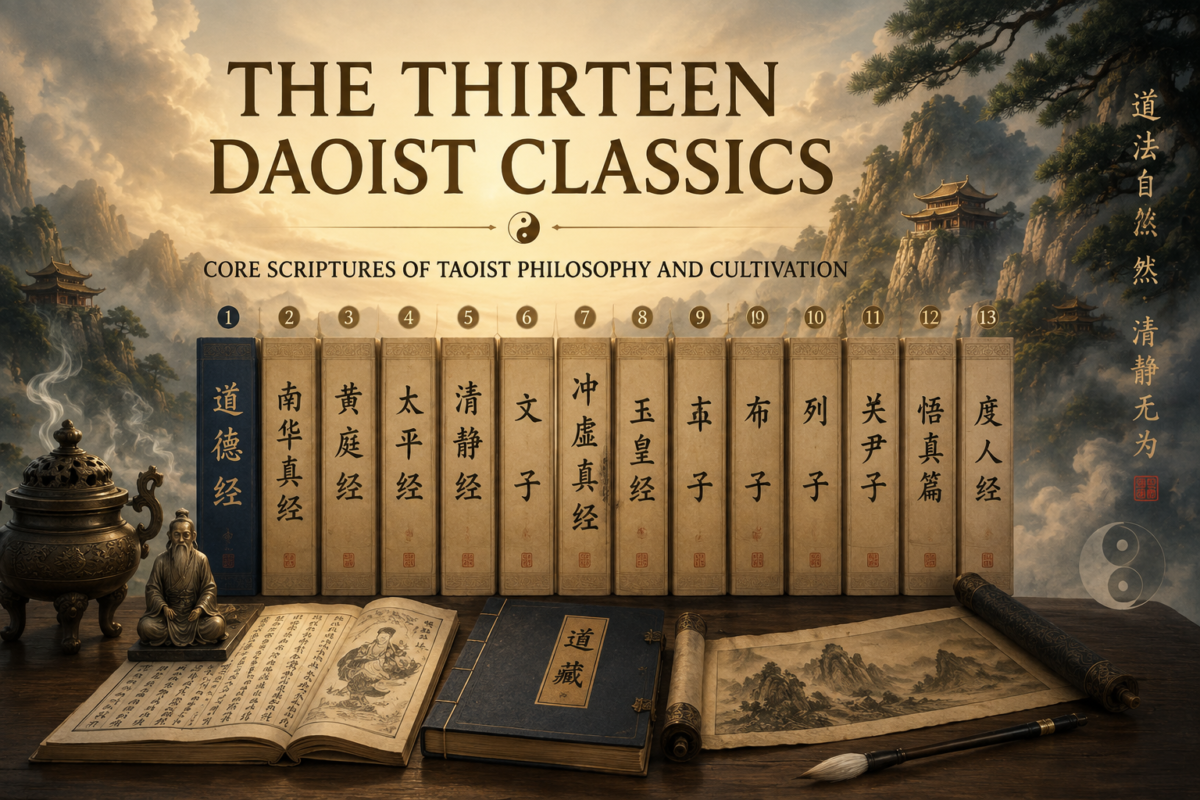
Introduction When people first encounter Taoist scripture, they often assume the Tao Te Ching stands alone as the tradition’s defining text. In reality, that single work is only the entry point into a much larger canon — one that spans philosophy, alchemy, ritual, and governance across more than a thousand years of Chinese intellectual history. […]