
Folk deities are one of the most widespread parts of Chinese religious culture. Unlike the high celestial gods of Taoism, these deities are closely connected with everyday life — agriculture, family safety, travel, marriage, business, childbirth, and education. They embody the common people’s hopes for peace, prosperity, health, and harmony.
In Chinese folk belief, almost every aspect of life has a corresponding guardian spirit. From village shrines and household altars to grand temple festivals, these deities continue to influence traditional culture and religious customs today.
Land and Agricultural Deities
The worship of land and grain gods forms the spiritual foundation of traditional agricultural civilization. The ancient concept of “Sheji”(社稷) referred to the gods of land and crops, symbolizing the stability of the nation and the livelihood of the people.
The Great Land God
The Great Land God represents the highest form of land worship and protects fertile soil, abundant harvests, and regional stability. Ancient emperors conducted state sacrifices to pray for favorable weather and agricultural prosperity.

The Earth God (Tudi Gong)
The local Earth God is one of the most beloved deities in folk religion. Almost every village once had a small shrine dedicated to him. He governs local peace, farmland protection, and the well-being of residents.

Traditional regional water and land protection beliefs were also influenced by systems such as The Source Kings of the Four Great Rivers.
Protective and Guardian Deities
Guardian deities are responsible for protecting people from disasters, evil spirits, and misfortune. Their influence extends from cities and villages to homes and sea routes.
City Gods and Door Gods
The City God protects urban regions and maintains spiritual order within a city. Door Gods, especially Qin Qiong and Yuchi Gong, are traditionally painted on gates to ward off evil spirits and negative energy.
Mazu, Guardian of the Seas
Mazu is the most famous maritime protector in Chinese folk belief. Fishermen and merchants worship her before long voyages to pray for calm seas and safe return journeys.

Her maritime protection role complements the ancient sea-governing traditions connected with The Dragon Kings of the Four Seas.
Guan Sheng Emperor
The deified Guan Yu symbolizes loyalty, righteousness, and protection. Merchants, soldiers, and travelers widely worship him as a guardian against danger and injustice.

Household Deities and Domestic Protection
Household gods are deeply integrated into daily family life. Their worship reflects the traditional belief that spiritual protection begins within the home.
The Kitchen God
The Kitchen God records the moral behavior of the family throughout the year. Before the Lunar New Year, he ascends to Heaven to report the household’s deeds and later returns with blessings or warnings.
Bed God and Door Guardians
The Bed God protects peaceful sleep and safeguards children from illness or spiritual disturbances. Door guardians stand watch at entrances to prevent harmful spirits from entering the household.
Marriage and Childbearing Deities
Marriage and fertility deities are especially important in family-centered folk traditions.
The Goddess of Childbirth
Families praying for children often worship the Goddess of Childbirth for fertility, safe pregnancy, and the protection of mothers and infants.

The Three Xiao Goddesses
The Three Xiao Goddesses originated from Taoist traditions and became protectors of childbirth and children’s health. Their worship remains influential in many regional temple festivals.
Hehe Erxian
The Two Immortals of Harmony symbolize marital happiness, harmonious relationships, and joyful unions. Their imagery frequently appears during weddings and celebrations.
Cultural and Professional Deities
Cultural gods protect education, examinations, craftsmanship, and professional success.
Wenchang Emperor
Wenchang Emperor is the patron deity of scholars, literature, and academic success. Students traditionally pray to him before examinations and important scholarly pursuits.
His role in spiritual administration and celestial order also reflects broader Taoist systems involving The Flying God-Kings of the Ten Directions Without Boundaries.
Industry Ancestor Gods
Different professions honor their own ancestral protectors. Carpenters worship Lu Ban, while physicians honor Sun Simiao. These figures symbolize both technical mastery and moral responsibility.

Nature Spirits and Travel Protection
Chinese folk religion preserves ancient animistic traditions in which natural objects possess spiritual power.
Mountain gods protect forests and hunters, while water gods guard rivers, lakes, and fishing communities. Tree spirits and stone spirits are believed to preserve environmental balance and local peace.
Safe travel has also long been an important concern in traditional society. Mazu protects maritime voyages, while road gods and carriage gods guard land travelers. Before long journeys, believers traditionally offer incense and prayers for safety and smooth passage.
The Enduring Role of Folk Deities
Folk deities reflect the practical spirituality of Chinese civilization. Rather than remaining distant celestial beings, they participate directly in daily life — protecting homes, guiding travelers, blessing marriages, ensuring harvests, and supporting education.
Their worship demonstrates the blending of Taoism, local customs, ancestral reverence, and ancient nature worship into a living religious tradition that continues to shape Chinese culture today.
Related Posts
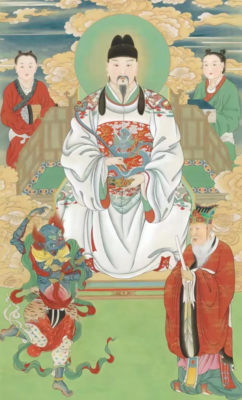
Lord Wenchang | Taoist God of Literature and Scholarly Success
Lord Wenchang, also known as Emperor Wenchang, is the supreme Taoist deity governing literature, examinations, [...]
Dec
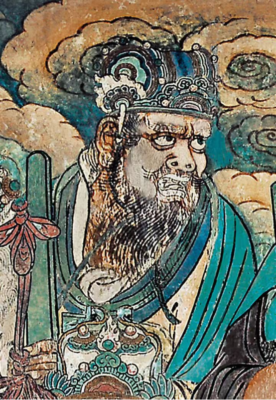
The Five Water Deities in Taoism: Guardians of Seas, Rivers, and Sacred Waters
The Five Water Deities are among the most important water gods in Taoist belief. They [...]
Dec
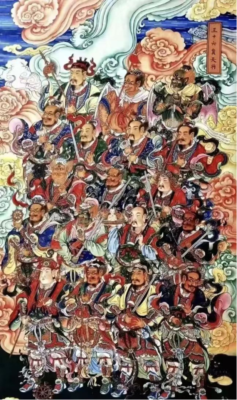
The Thirty-Six Heavenly Generals in Taoism: Guardians of Thunder, Exorcism, and Celestial Justice
The Thirty-Six Heavenly Generals are one of the most important groups of martial guardian deities [...]
Dec