
The Three Great Emperor-Officials, commonly known as the Three Officials (San Guan), are among the most revered deities in Taoism and Chinese folk religion. They govern the three cosmic realms of Heaven, Earth, and Water, and collectively oversee blessings, forgiveness, disaster relief, and the moral balance of human life.
Their worship forms one of the most enduring devotional traditions in Taoism. Each official presides over a specific realm and grants a unique form of divine grace: the Heavenly Official bestows blessings, the Earth Official pardons sins, and the Water Official relieves suffering.
Their divine authority reflects fundamental Taoist teachings about cosmic harmony, moral responsibility, and spiritual reciprocity, principles that are central to What Is Taoism? Understanding Taoist Philosophy and Daily Practice.
The Heavenly Official: Bestower of Blessings
Divine Identity and Authority
The Heavenly Official, formally known as the Purple Micro Emperor of the Upper Yuan, governs the celestial realm and records the merits and demerits of all living beings. Among the Three Officials, he is the most widely worshiped because of his famous role in bestowing blessings.
His authority reflects the Taoist belief that heavenly favor is closely connected to human virtue and righteous conduct. Through his blessings, devotees seek prosperity, health, peace, and family harmony.

Festival and Worship
His birthday falls on the fifteenth day of the first lunar month, celebrated as the Shangyuan Festival, also known as the Lantern Festival.
On this day, Taoist temples hold ceremonies and believers light lanterns to pray for blessings and protection. These devotional customs closely resemble the practices described in Taoist Master Teaches You Daily Practice Blessings (Collection).
The Earth Official: Pardoner of Sins
Divine Identity and Authority
The Earth Official, known as the Qingxu Emperor of the Middle Yuan, governs the earthly realm and the sacred mountains. His primary responsibility is to pardon sins, especially those of deceased souls.
He oversees ancestral peace, spiritual purification, and the karmic consequences that connect the living and the dead. These themes are closely related to What Is the “Life Debt” (Shou Sheng Zhai)?, which explores how moral debts and spiritual obligations influence destiny.
Festival and Worship
His birthday is observed on the fifteenth day of the seventh lunar month, known as the Zhongyuan Festival, often called the Ghost Festival.
During this period, Taoist temples conduct rituals for wandering souls, while families honor ancestors and pray that the Earth Official grants forgiveness and peaceful rest to the departed.

The Water Official: Reliever of Suffering
Divine Identity and Authority
The Water Official, formally called Dongyin Emperor of the Lower Yuan, governs rivers, lakes, seas, and all aquatic realms. His most important function is relieving disasters and resolving hardship.
Believers pray to him for healing, safety, and the removal of misfortune. His compassionate role strongly echoes Taoist practices described in Why Can Taoist “Worship of the Dipper” Bring Blessings and Eliminate Disasters?, where ritual devotion is used to dispel adversity and restore balance.
Festival and Worship
His birthday is celebrated on the fifteenth day of the tenth lunar month, known as the Xiayuan Festival.
On this day, worshipers offer prayers asking for protection from floods, safe journeys, and the removal of obstacles in life.

Moral Governance of the Cosmos
Together, the Three Officials form a complete divine system of moral governance. They reward virtue, forgive wrongdoing, and remove suffering from the human world.
Their authority embodies the Taoist belief that the universe operates through both justice and compassion.
Connection Between Festivals and Daily Life
The Three Officials are deeply connected to the rhythm of the lunar calendar and everyday religious practice. Their annual festivals remain important occasions for prayer, repentance, and gratitude.
Spiritual Importance in Taoism
Taoist rituals frequently invoke the Three Officials during ceremonies of purification, blessing, and salvation. Their names appear in scriptures, talismans, and temple liturgies across many Taoist traditions.
Cultural Legacy of the Three Great Emperor-Officials
The belief in the Three Great Emperor-Officials has shaped Chinese religious life for centuries. Their worship combines theology, morality, ritual practice, and community devotion.
They remain powerful symbols of divine compassion, forgiveness, and cosmic order, offering believers hope, protection, and spiritual renewal.
Related Posts
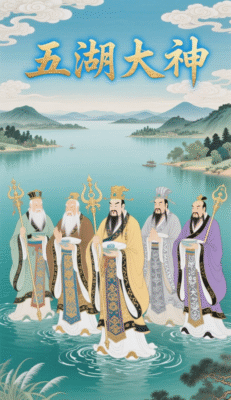
The Great Deities of the Five Lakes in Taoism
The Great Deities of the Five Lakes are important water gods in Taoism and Chinese [...]
Dec
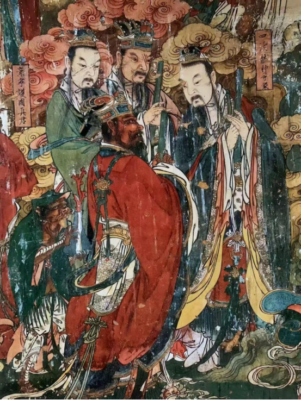
The Four River Source Kings in Taoism: Guardians of China’s Sacred Rivers
The Four River Source Kings are revered water deities in Chinese mythology and Taoism, each [...]
Dec
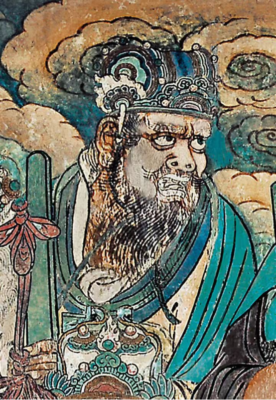
The Five Water Deities in Taoism: Guardians of Seas, Rivers, and Sacred Waters
The Five Water Deities are among the most important water gods in Taoist belief. They [...]
Dec