Tag Archives: taoism

Tianlong and Diya: Wenchang’s Paired Attendants

Earth Mute (Di Ya) in Taoism

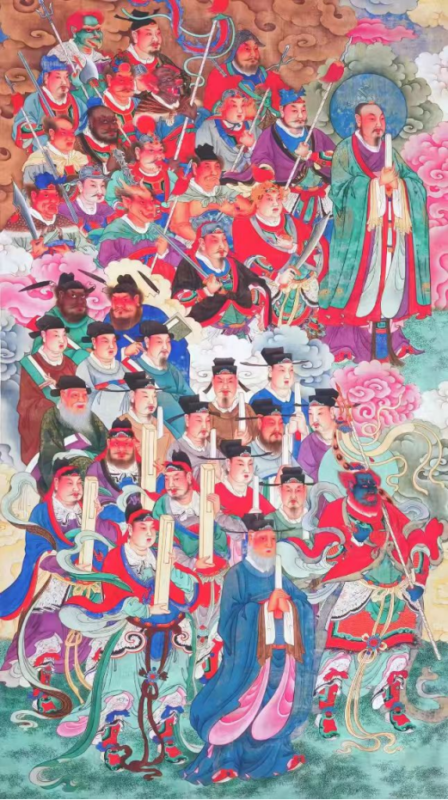
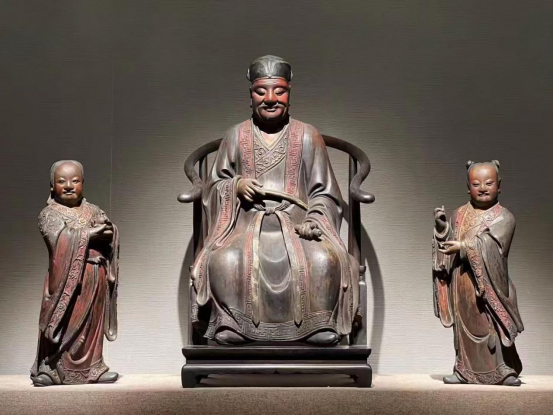
Tianlong and Diya are the paired attendants of Wenchang, a deity associated with literature and examinations in Chinese religious traditions. Their names are 天聾 / 天聋 (tiān lóng, “Heaven-deaf”) and 地啞 / 地哑 (dì yǎ, “Earth-mute”). Textual references, museum records, and temple descriptions document the pair; explanations of their symbolism belong to particular religious traditions […]
The Seven True Lords of the Big Dipper in Taoism

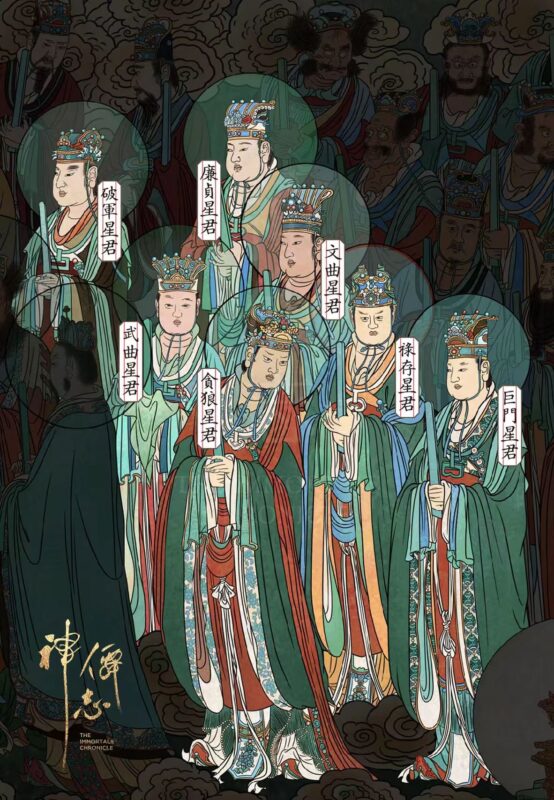
Seven True Lords of the Big Dipper

The Seven True Lords of the Big Dipper are among the most important astral deities in Taoism, corresponding to the seven stars of the Big Dipper constellation: Tian Shu (Dubhe), Tian Xuan (Merak), Tian Ji (Phecda), Tian Quan (Megrez), Yu Heng (Alioth), Kai Yang (Mizar), and Yao Guang (Alkaid). Under the command of the Jade […]

The Thirty-Six Heavenly Generals in Taoism: Guardians of Thunder, Exorcism, and Celestial Justice

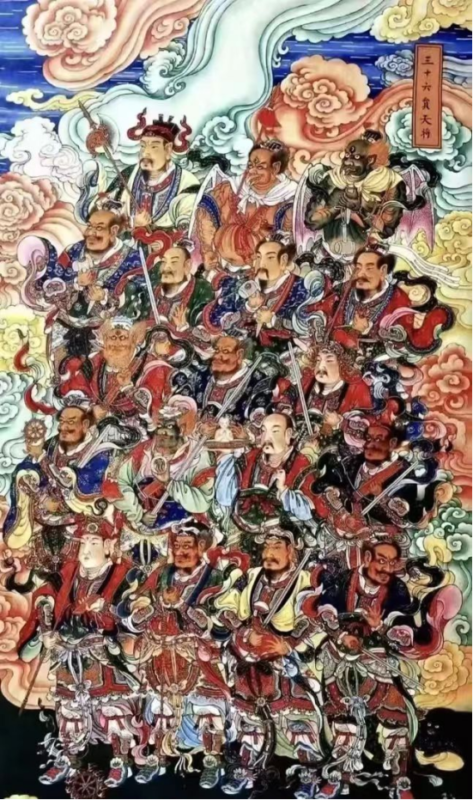
Thirty-Six Heavenly Generals in Taoism

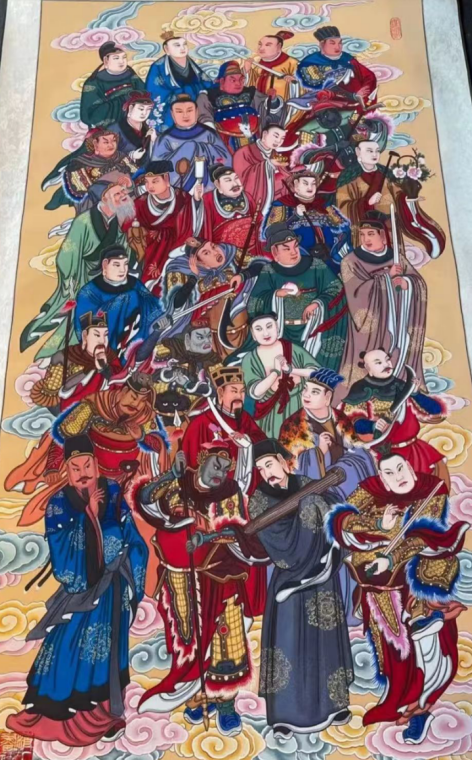
The Thirty-Six Heavenly Generals are one of the most important groups of martial guardian deities in Taoism. Also known as the Thirty-Six Daoist Generals or the Thirty-Six Heavenly Marshals, they form a vast celestial military force responsible for guarding Taoist temples, suppressing demons, commanding thunder troops, and protecting the righteous order of Heaven and Earth. […]

The Seventy-Two Earth Fiends in Taoist Mythology and Magic Arts

Seventy-Two Earth Fiends

The Seventy-Two Earth Fiends are one of the most mysterious and multifaceted groups of deities and spiritual forces within Taoist cosmology. Together with the The Thirty-Six Heavenly Generals, they form the complete dual structure of “Heavenly Spirits and Earthly Fiends,” representing the balance between celestial order and earthly transformation. Rooted in ancient Chinese astral worship, […]

Sixty Jiazi Gods in Taoism | The Sixty Tai Sui Guardian Generals

Sixty Jiazi Gods in Taoism | The 60 Tai Sui Guardian Generals

The Sixty Jiazi Gods, also known as the Sixty Tai Sui Generals, are one of the most important systems of time deities in Taoism and Chinese folk religion. They are the sacred personifications of the ancient Heavenly Stems and Earthly Branches cycle, collectively governing the rotation of years, the fortune of humanity, and the balance […]

The Six Ding and Six Jia Generals in Taoism | Guardian Deities of Divine Protection

Six Ding and Six Jia Generals

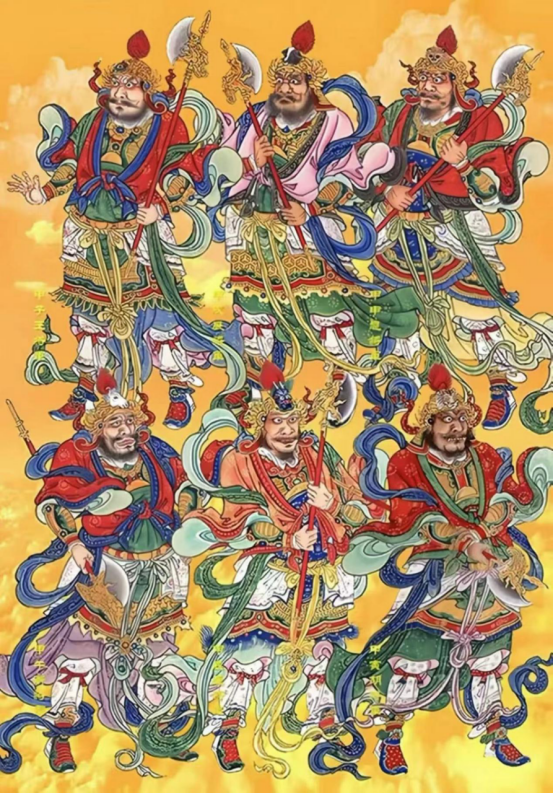
Introduction The Six Ding and Six Jia Generals are among the most important guardian deities in the Taoist pantheon. They serve directly under the command of the True Martial Emperor, acting as divine protectors, spiritual messengers, and supernatural task executors within Taoist rituals, talismans, and thunder magic traditions. In Taoist practice, they are regarded as […]

The Tortoise and Serpent Generals in Taoism | Xuanwu Guardians of Water and Fire

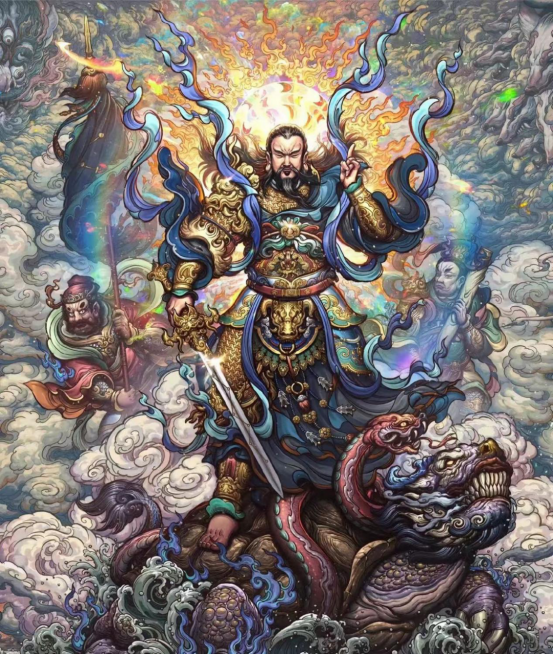
Introduction The Tortoise and Serpent Generals are powerful guardian deities in the Taoist pantheon and the closest attendants of the True Martial Emperor. Also known as the Water and Fire Generals, they protect the northern heavens, guard celestial gates, and maintain the cosmic balance of yin and yang. Their images originate from the ancient symbol […]

Cultivate self-cultivation and refine one’s nature

Taoist Self-Cultivation and Inner Alchemy Practices

The Taoist path of self-cultivation is centered on the idea of aligning oneself with the Dao (Tao) through the harmonious refinement of both body and spirit. Rather than separating physical health from spiritual growth, Taoism views them as inseparable aspects of the same journey. Through meditation, inner alchemy, moral discipline, and harmony with nature, practitioners […]

The Five Elements Theory in Taoism and Chinese Philosophy

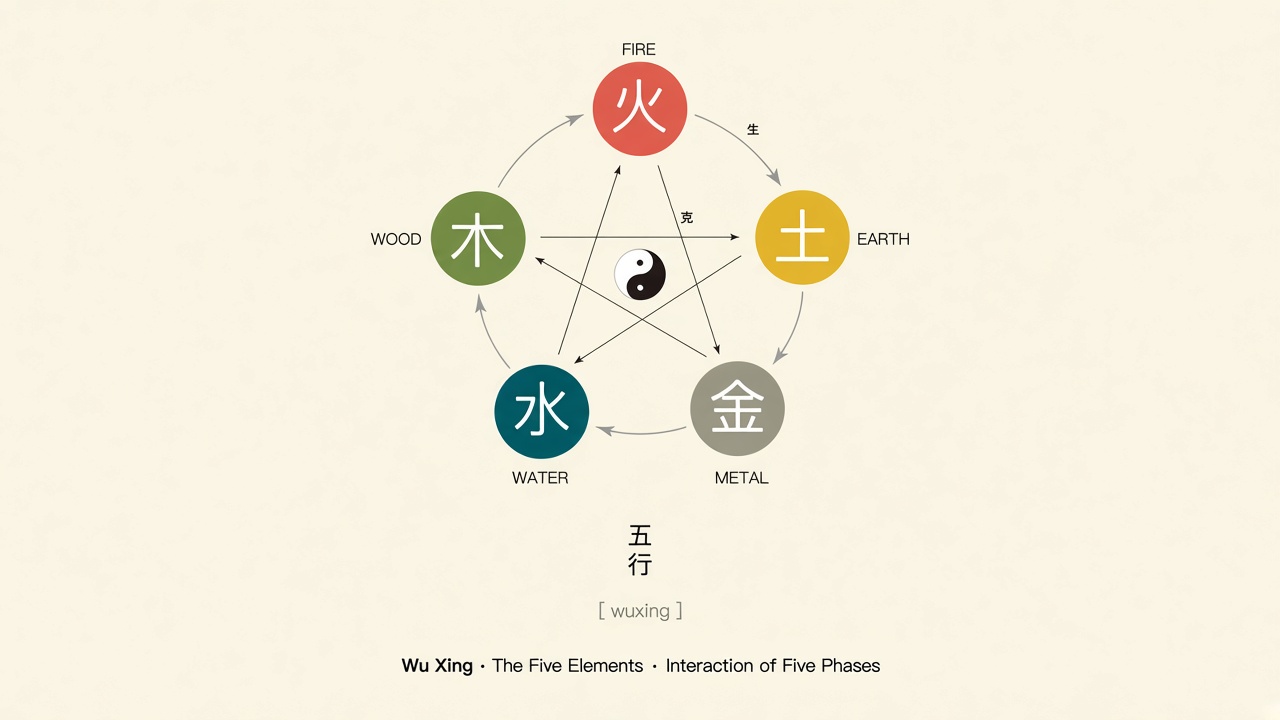
Wu Xing five elements diagram showing the generating and overcoming cycles of Wood, Fire, Earth, Metal and Water with yin-yang symbol in the center

Introduction When people first encounter the Five Elements in Chinese philosophy, they often assume Wood, Fire, Earth, Metal, and Water refer to literal physical substances — much like the classical elements of ancient Greek thought. However, the Five Elements Theory represents something more dynamic than a list of materials. Rather than describing five literal substances, […]

Governing by Non-Interference in Taoist Philosophy

Governing by non-interference

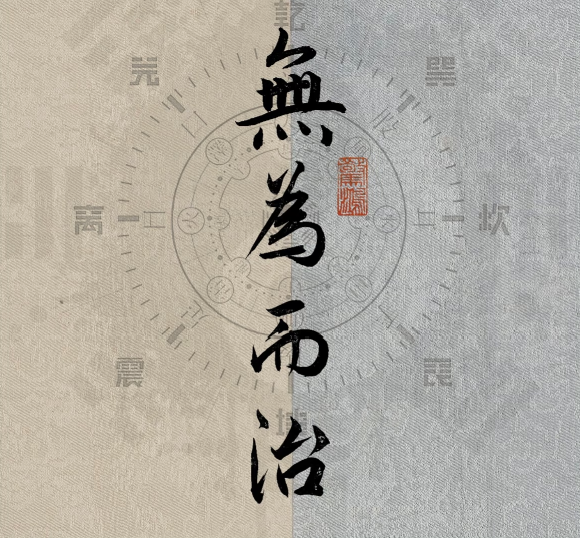
Governing by Non-Interference in Taoist Philosophy The Taoist principle of governing by non-interference, often associated with the concept of Wu Wei, is one of the most important political and philosophical teachings in Taoism. Originating from the ideas of Laozi in the Tao Te Ching, it advocates governing in accordance with natural laws rather than through […]