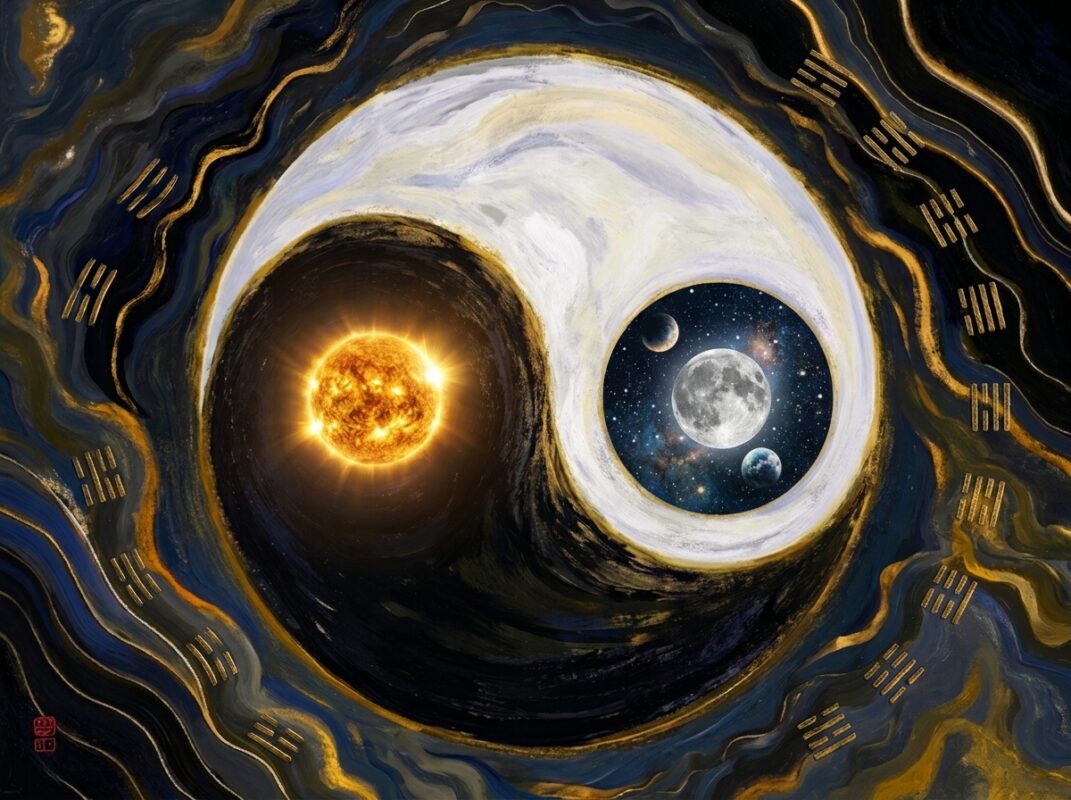
Introduction When people first encounter the terms Qi and Yin-Yang, they often treat them as separate ideas — Qi as a kind of mystical energy, Yin-Yang as a symbol of balance. In practice, the two concepts are inseparable, describing the same underlying reality from two different angles. Qi and Yin-Yang are among the most important […]
Tag Archives: taoism
Introduction When people first explore Taoism, they often assume it refers to a single, unified tradition. In practice, the word covers two related but distinct layers — a philosophical school of thought, and a fully organized religion — that developed at different times and serve different purposes. Although Daoism and Taoism are deeply connected historically, […]
Introduction When people first encounter the phrase “Tao follows nature,” they often assume it is simply poetic language about appreciating the natural world. Its meaning, however, runs considerably deeper. The principle comes from Chapter 25 of the Tao Te Ching, where Laozi writes: “Man follows Earth, Earth follows Heaven, Heaven follows the Tao, and the […]
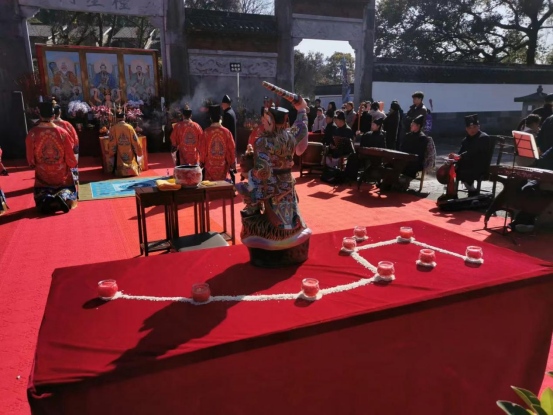
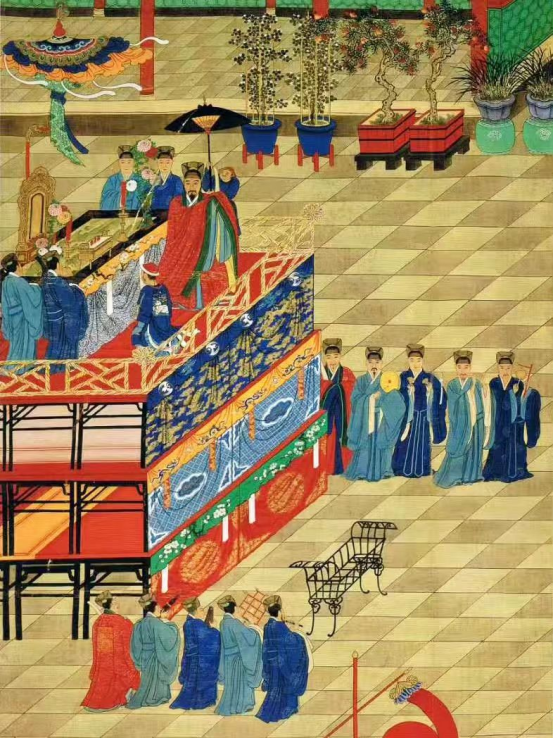
In Taoist ritual contexts, Zhai (齋) can refer to purification, abstinence or a ritual retreat, while Jiao (醮) is commonly translated as an offering ritual or ceremony. The terms are related, but they are not exact synonyms or a universal two-step sequence. Their meanings and combination vary by historical period and ritual tradition. English translations […]
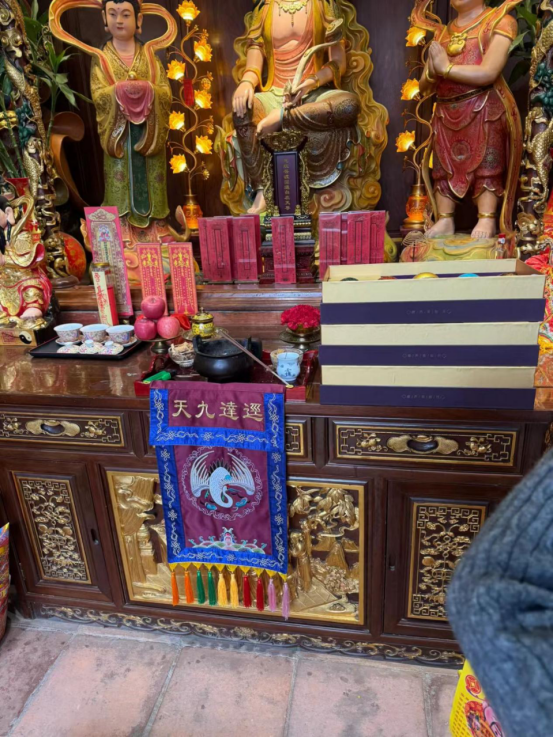
Pray for blessings in Taoism is a traditional religious practice in which believers seek protection, peace, health, prosperity, and spiritual harmony through rituals, offerings, and sincere devotion to Taoist deities. Rooted in the Taoist belief of the interaction between heaven and humanity, these practices establish a sacred connection between humans and the divine world. The […]
Taoist consecration is a sacred ritual performed by qualified Taoist priests to invite divine spiritual power into statues, ritual tools, and protective objects. Through formal procedures such as altar purification, scripture chanting, deity invocation, and eye-opening rites, ordinary objects become sacred vessels capable of connecting believers with divine protection and blessings. What Is Taoist Consecration? […]
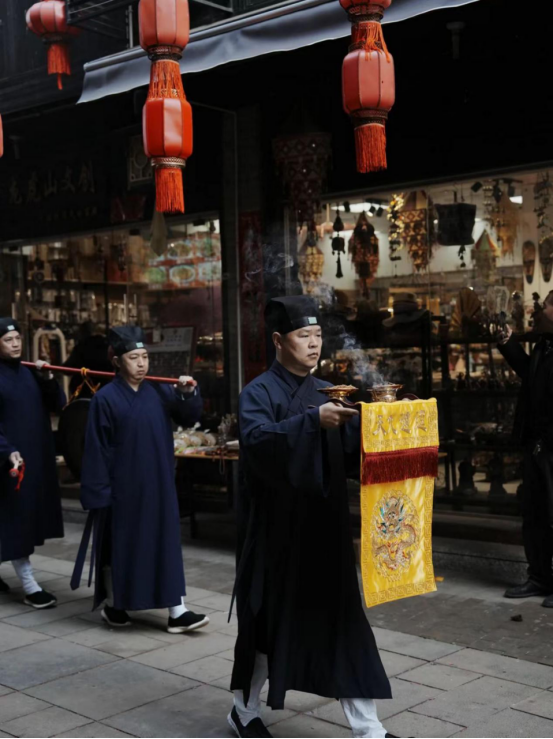
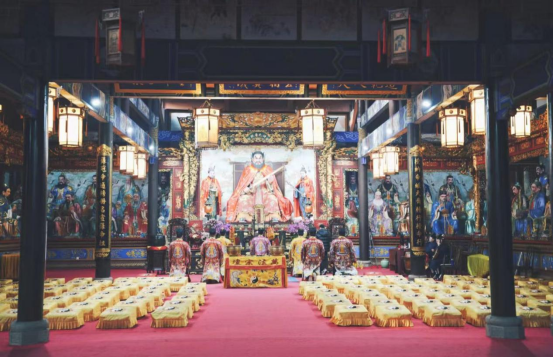
Taoist dharma assemblies are among the most important ceremonial traditions in Taoism, combining scripture chanting, ritual performance, symbolic movements, and communication with the divine. Standard dharma assembly procedures cover most traditional Taoist sacrificial rituals, forming the foundation of formal Taoist worship and ceremonial culture. Opening Ceremony: Establishing the Sacred Space The opening stage purifies both […]
Releasing souls from purgatory is an important ritual within Taoist funeral ceremonies and sacrificial traditions. Through scripture chanting, repentance rites, offerings, and spiritual guidance, Taoist priests help deceased souls escape suffering, remove karmic burdens, and enter a better afterlife or spiritual realm. Traditional Taoist sacrificial rituals often include rites to release souls from purgatory, especially […]
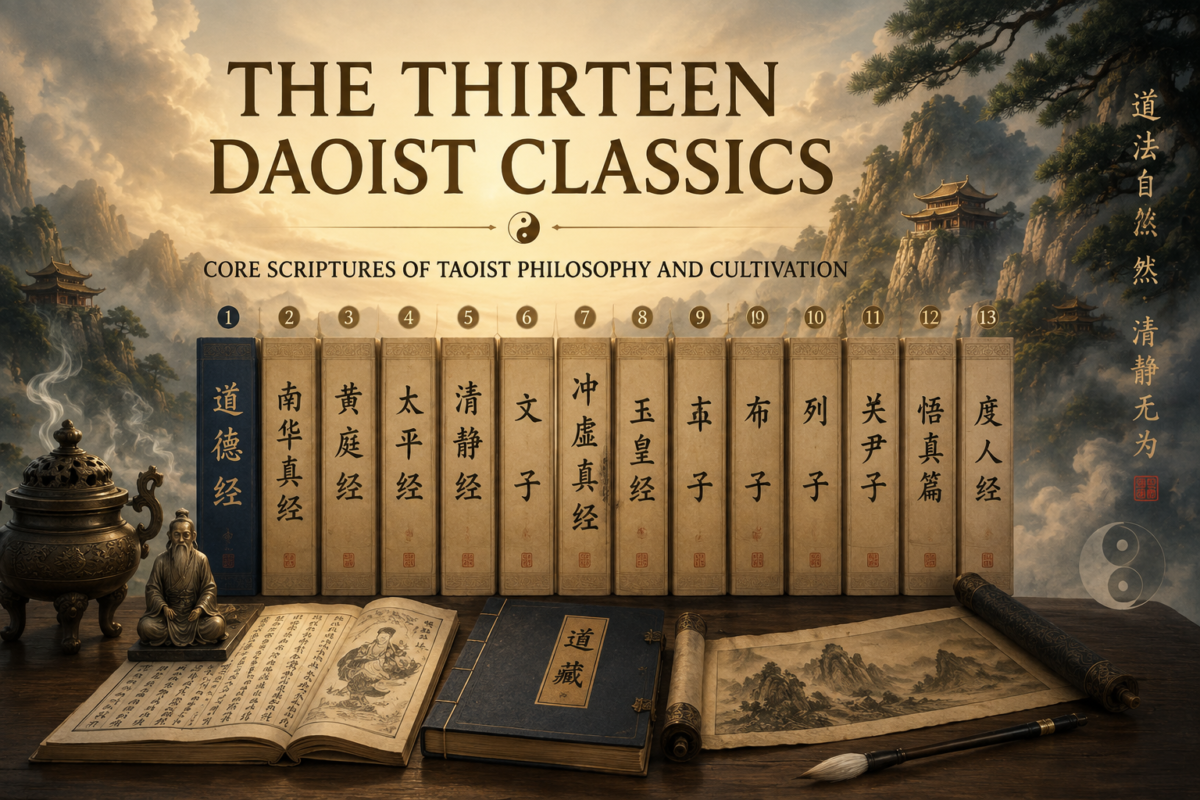
Introduction When people first encounter Taoist scripture, they often assume the Tao Te Ching stands alone as the tradition’s defining text. In reality, that single work is only the entry point into a much larger canon — one that spans philosophy, alchemy, ritual, and governance across more than a thousand years of Chinese intellectual history. […]
Introduction When people first ask how Taoism began, they often expect a simple answer — a single founder, a founding date, one clear moment of creation. What they usually find instead is something more layered: a tradition that took shape gradually, over more than a thousand years, through the fusion of several distinct streams of […]